

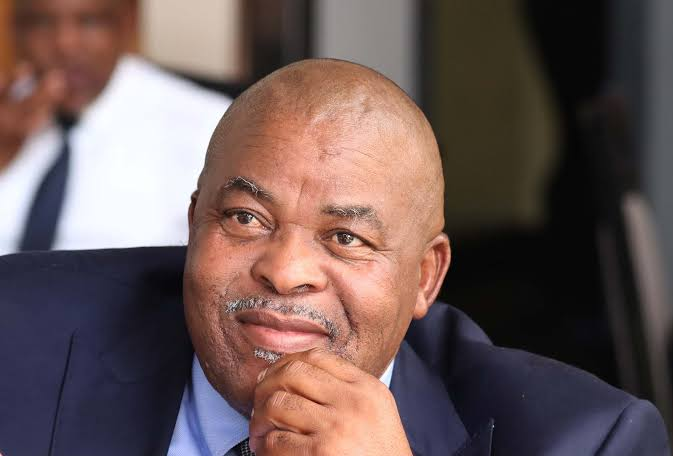
There is a particular kind of man in Lesotho politics who confuses the accumulation of wealth with the accumulation of influence. He arrives at meetings in vehicles that announce his importance before he does. He distributes favours as though they were invoices, expecting gratitude rendered on demand. He has, over many years, watched money open doors, and concluded, reasonably enough given the evidence available to him, that all doors yield to it eventually. Minister Lephema, according to those inside the Revolution for Prosperity who have grown weary of saying so quietly, is that man.
The assessment is not especially complicated. RFP diehards, speaking with the candour that comes when a faction war is already lost, have described Lephema in terms that are almost affectionate in their bluntness: a typical rich man who believes that people will worship him because he has money. The word “worship” is well chosen. It implies not merely that he expects compliance, but that he expects reverence, and that he regards the distinction between the two as irrelevant.
“He has watched money open doors, and concluded that all doors yield to it eventually.”
The editorial position of the Lesotho TribuneWhat the Lejone-led faction delivered was not merely a political defeat. It was something more instructive: a clear, unambiguous demonstration that within the RFP itself, not everyone has a price. A decisive loss of this kind, administered from inside one’s own political home, carries a sting that no external opposition can replicate. It is one thing to be beaten by an adversary. It is quite another to be beaten by people who know you well, who have attended the same meetings, sat at the same tables, and still looked at what was on offer and declined.
The ministry, of course, continues to wait. Two weeks after the cabinet reshuffle, Minister Lephema has yet to formally report to the portfolio he was handed. The state-funded transport and security detail continue to serve him faithfully. Private business interests, one gathers, do not observe ministerial timetables. That this has drawn no official reprimand from the Prime Minister’s office tells its own story, though it is a story this editorial will not tell today. Today belongs to the internal reckoning of the RFP.
There is something almost poignant about learning, at a late stage in one’s public life, that loyalty is not a commodity. That trust is not purchased in the way that equipment is purchased, or that the affections of party members are not structured like a procurement contract with performance clauses and penalty provisions. These are lessons that most people learn in their youth, through smaller defeats on smaller stages. Minister Lephema has been given the full production: lights, cast, and a captive audience. He should make the most of it.
The Lejone faction’s victory will be interpreted in various ways depending on one’s sympathies. Some will see it as a consolidation of principle over patronage. Others will see it as one faction of the same party outmanoeuvring another and will resist reading too much civic virtue into the outcome. Both readings contain truth. What is beyond reasonable dispute is that the result represents a constraint on the assumption that money, connections, and the proximity to power are sufficient to command political allegiance within the RFP. For a party that came to government on a platform of reform, that constraint is worth something.
Whether Minister Lephema draws the correct conclusions from all of this remains to be seen. The lesson is available to him. Whether he is the kind of man who takes instruction is, on current evidence, less clear. He would do well to consider that Lesotho’s political graveyard is well populated with men who were, by every material measure, very comfortable, and who found, somewhat to their surprise, that comfort and consequence are different things entirely.
“`The editorial position of the Lesotho Tribune is that public office is a public trust, not a reward for private means. The credibility of Lesotho’s reform agenda depends on the governing party demonstrating, through its internal conduct, that it holds that distinction seriously.