
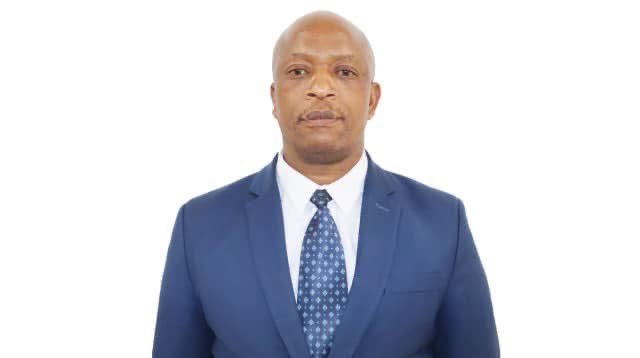
Dr Tsepo Lipholo, a Member of Parliament who became notorious for submitting an ambitious petition to reclaim territories that had been stolen from Lesotho is still pursuing his plans to win back the land.
Lipholo is an MP and founder of the Basotho Covenant Movement (BCM) whose party and election manifesto were founded on the push for the return of the land. The BCM had gained one parliamentary seat in the last elections.
In 2023, the MP then tabled a motion in parliament to reclaim back stolen territories to Lesotho. However, the majority of MPs in parliament were not sold by the motion.
When proposing this motion, he said “History has a record of what was taken from our people and people were killed in the process. It is time to correct that.”
Lipholo said while the issue of land dated back decades ago, he believed winning it back would help bring prosperity to the people of Lesotho.
South African officials had said the motion stood no chance of happening because it did not enjoy the support of the majority in the parliament of Lesotho.
In recent news, Lipholo took a trip to the United Nations Headquarters in New York to file a petition for the return of Lesotho’s land which includes the entire Free State, parts of the Eastern Cape and KZN midlands.
On this trip which was funded by Israel for unknown reasons, Lipholo met with the officials of the United Nations.
He also presented his efforts to win the land back before the office of the newly elected president of America, President Donald Trump.
It is unknown whether the government of Lesotho is in full support of getting back the land or not. But in an interview with a local radio station, Lipholo said he had heard that the government of Lesotho together with that of South Africa had ordered his arrest when he gets off at OR-Tambo.
The main question is why is the government so afraid to confront South Africa on the issue of stolen land? And why is Lipholo so adamant about fighting to win the land back despite the setbacks?
The 1964 Cairo Declaration of the Organisation of African Unity, present African Union, poses a challenge to Lipholo’s wishes to be fulfilled despite the effort he has put in the fight to win the land back.
In this treaty, African leaders had agreed to recognise the existing borders of their newly independent countries even when they were drawn up by colonial powers to avoid stirring up conflict across the continent.
The “stirring up conflict” had been the biggest fear of most parliamentarians since Lesotho is landlocked in South Africa and depends on it for sustainability and cross-border trading, the two things that are at the centre of the well-being of Lesotho and Basotho.
Before Lipholo’s motion, a civil group known as the Free Basotho Movement had written to Lesotho’s UK embassy requesting that the late Queen Elizabeth remove the frontier essentially making Lesotho a 10th province of South Africa. Efforts to fulfil the wishes of this movement are still ongoing.
Dr Lipholo was unreachable for comment until we went for print on Saturday Evening.