


Maseru – August 2025
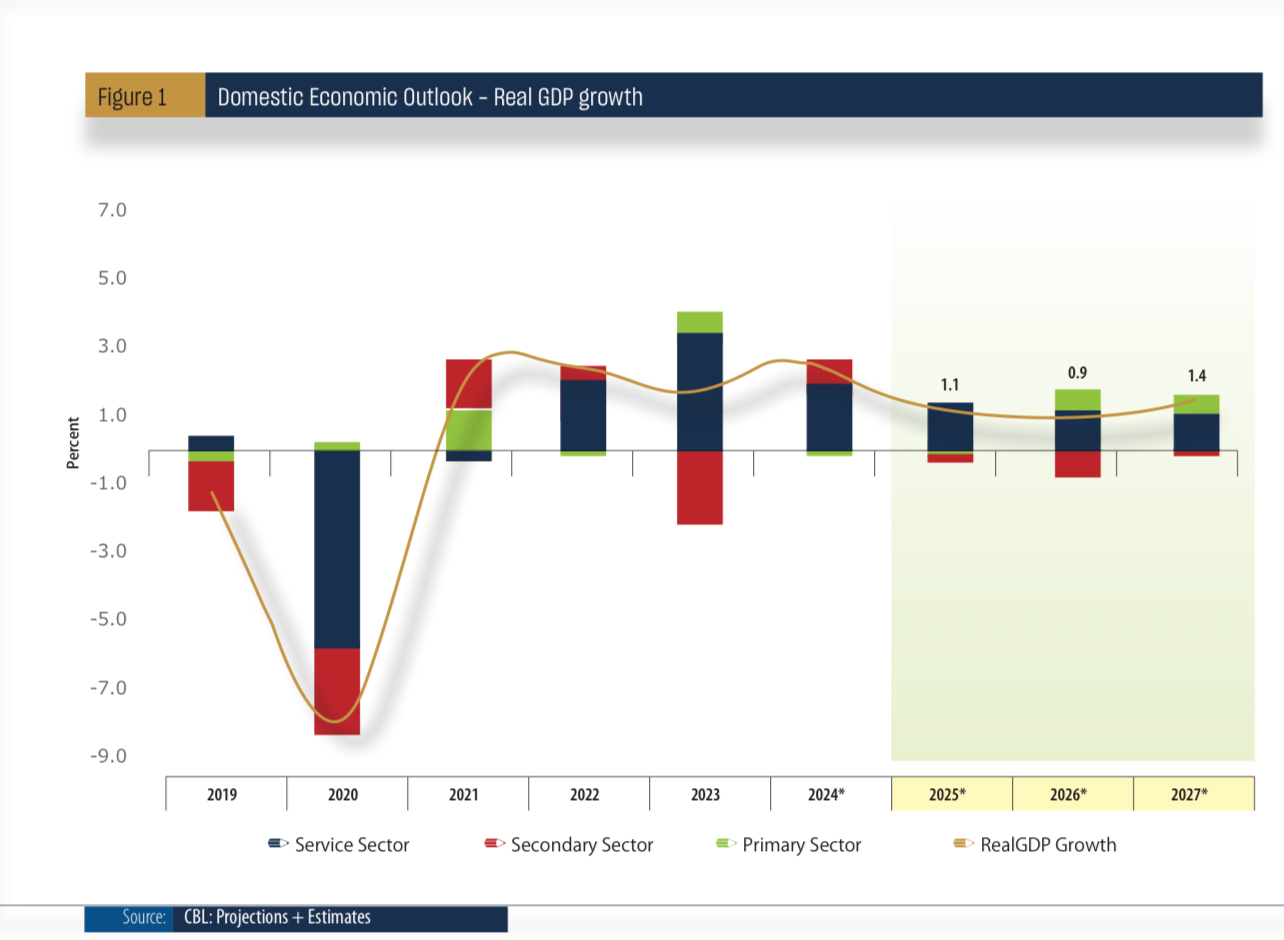
The Central Bank and Ministry of Finance say Lesotho is on the path to economic recovery. GDP is expected to grow by 2.7% in 2025. SACU revenues are up. Inflation is slowing. On paper, this looks promising. But on the streets of Ha Thetsane, Roma, and Maputsoe, many Basotho are asking the same question: where is this growth we keep hearing about?

Lesotho’s economy is projected to grow, but slow GDP growth does not always translate into better living standards.
Growth vs Reality
GDP growth reflects how much the country is producing overall, not how income or jobs are distributed. For most people, the real economy is measured by the cost of bread, school fees, or the ability to find work. A textile worker in Maputsoe still earns the same wage while food prices climb. A taxi driver in Maseru still pays more for fuel, even when inflation is said to be ‘under control’.
SACU – Our Golden Crutch
Lesotho’s largest source of income remains SACU receipts. In 2025, these will make up over half of all government revenue. But SACU is not guaranteed. It is like relying on a generous uncle who might not send money next month. The country is too dependent on external transfers, and every dip in SACU earnings causes panic in budget planning.

More than half of Lesotho’s government revenue comes from SACU transfers.
Debt and Deficit – Quiet Killers
Lesotho’s debt-to-GDP ratio is projected at 54.2% in 2025. That means for every hundred maloti the country produces, 54 maloti are owed to lenders. If this were a household, it would be like spending half your income repaying loans, leaving less for food, school, or emergencies. This is not sustainable.

Public debt has steadily grown and now exceeds 54% of national output.
The Cost of Living Paradox
Even though inflation has slowed, it does not mean things are cheaper. Prices are just rising less rapidly. For the average household, M50 no longer buys what it did last year. Electricity costs, taxi fares, and basic groceries continue to strain pockets. Meanwhile, salaries have remained stagnant.
What Should Be Done
The government must invest SACU windfalls in projects that build long-term value—roads, irrigation, technology in schools, and SME support. Spending should be transparent, audited, and measurable. Policies should empower local business, not just consultants and contractors.
A Broader View: According to the African Development Bank’s 2024 Country Report, Lesotho’s macroeconomic framework remains fragile but stable. The report acknowledges fiscal improvements and stronger regional trade, while cautioning about climate risks, limited job creation, and the urgent need for structural reforms. The AFDB sees opportunity in better public investment management and private sector development.
Conclusion
Lesotho may be growing on paper, but until that growth translates into jobs, public services, and better living conditions, the people will remain unconvinced. Growth must be felt, not just forecasted.
Source: Lesotho Macroeconomic Outlook – June 2025