

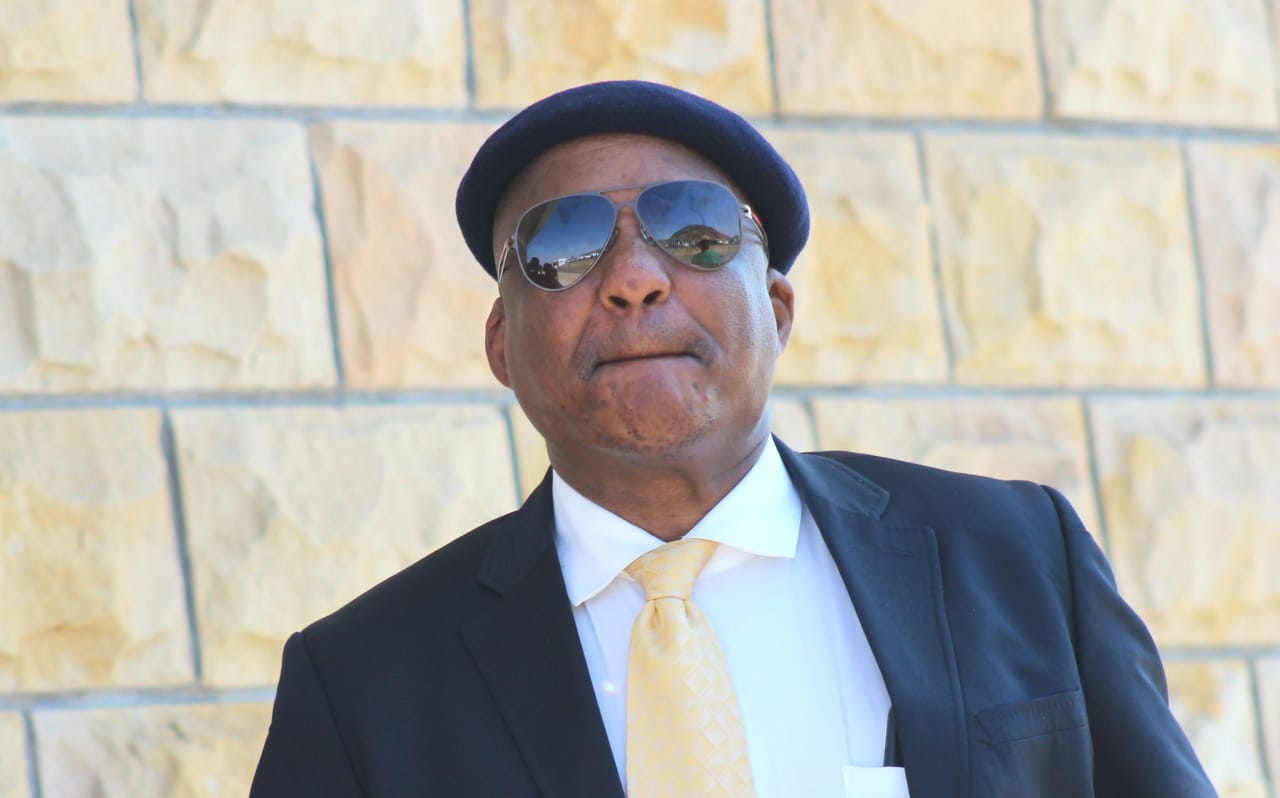
MASERU-The permanent stay of proceedings against former Minister in the Prime Minister’s Office, Temeki Tšolo, in the controversial M1.7 billion Frazer Solar case, has raised questions about whether the Directorate on Corruption and Economic Offences (DCEO) is adequately fulfilling its mandate.
Along the week, the High Court Judge Tšeliso Mokoko dismissed the charges after the prosecution failed to bring eleven subpoenaed witnesses or present sufficient evidence, despite previously being granted an adjournment from October 21, 2024, to August 18, 2025.
Justice Mokoko ruled that the Crown’s repeated failure constituted an unreasonable delay that infringed on Tšolo’s right to a fair trial. “This court cannot continue to allow such delays where the accused’s rights are being infringed,” the judge noted.
Procedural delays and legal precedent
The Tšolo case is not isolated. In Lephoto v DCEO (2022), the High Court criticized the anti-corruption body over prolonged delays and insufficient preparation, citing violations of fair-trial guarantees. Several other rulings similarly highlight how repeated prosecutorial lapses can justify a permanent stay of proceedings.
While civil proceedings relating to the Frazer Solar contract successfully declared it “void and invalid ab initio”, the criminal case against Tšolo faltered due to inadequate evidence management and witness coordination. The collapse of the prosecution illustrates the contrast between civil and criminal enforcement, and underscores the importance of trial readiness.
Impact on the accused
For Tšolo, the outcome offers relief but also reflects the personal toll of high-profile prosecutions. During proceedings, he described himself as socially isolated and unfairly vilified: “They said I sold my country… I live like a loner.”
Legal experts warn that, even when prosecution fails due to procedural gaps, public perception often paints the accused as guilty, highlighting the reputational risks associated with incomplete or poorly managed cases.
Broader implications for anti-corruption enforcement
Observers say the DCEO’s repeated delays in high-profile cases risk undermining public confidence in the rule of law. While there is no evidence that the agency intentionally humiliates suspects, the outcome, high-profile charges that collapse in court, creates that perception.
Analysts recommend that the DCEO implement stronger pre-charge readiness protocols, robust witness management systems, and timely disclosure practices to ensure that prosecutions proceed efficiently and justly.
Until such measures are adopted, high-profile corruption cases in Lesotho may continue to raise questions about whether justice is being served, or merely delayed and deferred, leaving both the accused and the public dissatisfied.