


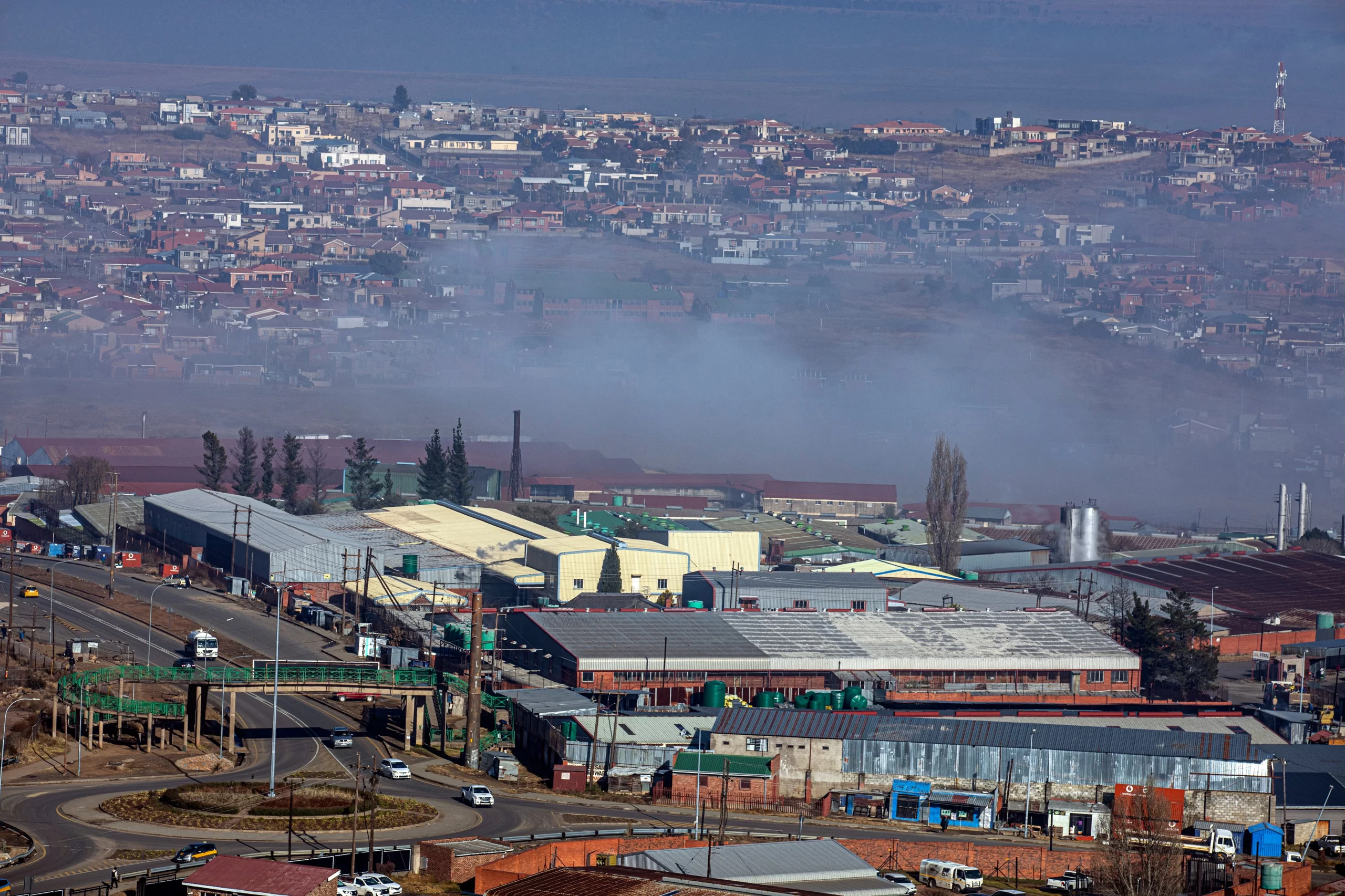
Maseru
The Lesotho textile industry, once buoyed by the African Growth and Opportunity Act (AGOA) introduced around 25 years ago, now finds itself at a critical juncture. AGOA allowed Lesotho and several other nations to export textile goods to the US market without the burden of tariffs, serving as a lifeline for the industry and a vital pillar of the country’s economy.
However, a shadow has been cast over this once-thriving sector with the recent announcement of a staggering 15 percent tariff on exported goods, a policy shift engineered by the Trump administration.
This decision marks the end of AGOA, sending ripples of uncertainty through the textile industry, particularly in Lesotho where countless lives and livelihoods depend on it.
For many Basotho, the termination of this agreement threatens to dismantle their economic foundations. The impending job losses loom large as numerous textile factories brace for closure, leaving workers in dire straits.
One such factory facing bleak prospects is Hippo Knitting, a company that has long prided itself on providing stable employment for around 800 individuals.
Due to plummeting orders from overseas buyers, Hippo has announced a heart-breaking decision to halve its workforce.
However, in a bid to navigate these turbulent waters, the company had previously attempted to keep operations afloat by rotating staff, scheduling some employees to work limited days while permanently releasing others from their duties.
In the midst of this distressing situation, factory workers’ unions have stepped in, advocating for those set to be laid off to receive their rightful compensation.
These unions said they are trying to engage with key stakeholders in hopes of finding solutions to avert further job losses and stabilise employment levels.
The devastating news of impending job cuts only adds to the mounting frustrations shared by many Basotho, as the country grapples with an escalating unemployment crisis.
A few months ago, Prime Minister Sam Matekane’sgovernment declared the high unemployment rate in Lesotho a state of emergency, rallying citizens around the urgent need for collective action to address this pressing issue.
In an ambitious pledge, the government announced plans to generate over 6,000 jobs for the Basotho. Yet, as if caught in a relentless cycle, the attempts to heal one wound seem to lead to another, causing the employment landscape to spiral further out of control, threatening mass disillusionment.
Before the COVID-19 pandemic struck the world, the Lesotho textile industry employed approximately 45,000 individuals, making it the largest formal private employer in the nation.
But in the wake of the US tariffs and resulting turmoil, that number has dipped to around 35,000, leaving many to wonder what the future holds for this once-vibrant sector and the families it sustains.