


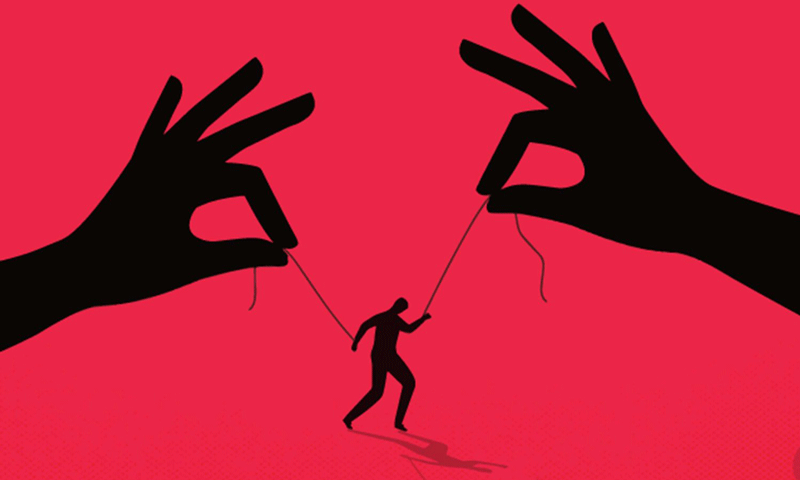
Manipulation is never new. It only changes its costume. Yesterday it wore robes of religion, today it parades in the language of policy and reform. The method, however, is constant: flood the public with absurdities until exhaustion sets in, then retreat to a half-truth and present it as salvation.
The first step is always disorientation. Promise what cannot be delivered. Announce subsidies that will end hunger, budgets that will balance themselves, reforms that will be painless. The absurdity is not an accident; it is a weapon. It creates confusion, blurs judgment, and leaves people desperate for relief.
Then comes the retreat. A smaller promise, modest and almost believable, is offered. Citizens grasp it eagerly. Compared to the storm of nonsense, it feels like truth. In that moment, they do not notice that the promise is still empty. They are just grateful it is not as grotesque as yesterday’s lie.
This cycle is as old as power itself. Plato accused the sophists of dazzling with contradictions, then slipping in falsehoods disguised as reason. Hannah Arendt warned that totalitarian systems overwhelm with wild claims before selling small lies as tolerable compromises. Orwell showed that once language itself is corrupted, people mistake crumbs of clarity for a feast of truth.
Our tragedy is that we fall for it again and again. We sigh in relief at the lesser falsehood. We comfort ourselves with moderation, forgetting that moderation built on a lie is still a lie. That sigh of relief is the manipulator’s victory. It is the moment when belief is bought, cheaply, like silence on the market.
The mechanics are timeless because we, the audience, have not learned to resist them. We measure lies against lies, instead of demanding truth. And as long as we settle for crumbs, we will always be sold belief at a discount.