


MASERU – Government has begun nationwide distribution of medication to combat lumpy skin disease following weeks of concern from livestock farmers across the country.
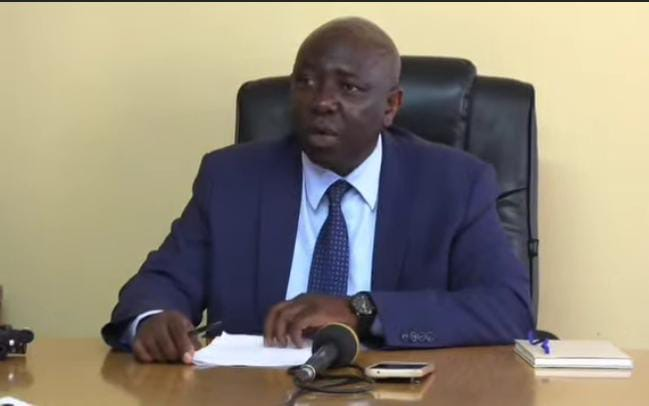
Minister of Agriculture, Food Security and Nutrition, Thabo Mofosi, confirmed at a press conference on Thursday that the long-awaited antibiotics have now arrived and are being dispatched to affected districts. Veterinary teams will administer the treatment free of charge directly at farmers’ homesteads.
The delay, according to the Minister, was caused by temporary factory closures in South Africa during the Christmas holidays, coupled with high regional demand as several Southern African countries grapple with outbreaks of the same disease.
“We acknowledge the frustration this delay has caused,” Mofosi said. “However, we are pleased to confirm that the medication is now available and distribution has commenced in all affected areas.”
The Ministry reports 1,061 verified cases of lumpy skin disease nationwide, with 63 cattle deathsrecorded to date. While officials indicate that the overall infection rate has slowed, new cases have emerged in districts that were previously unaffected.
Lumpy skin disease is a viral infection that primarily affects cattle and water buffalo. It is transmitted through biting insects such as mosquitoes, as well as through direct contact between animals. Although there is no specific cure for the virus itself, supportive treatment including antibiotics helps prevent secondary infections and strengthens the animal’s ability to recover.
The Minister urged farmers to take preventative measures while the rollout continues.
“Farmers must isolate infected animals, ensure they have sufficient food and water, and keep them in shaded areas. Infected livestock should not be used for work,” he advised.
Verification of suspected cases remains ongoing in several areas, with veterinary officers continuing field assessments.
The Ministry maintains that controlling the outbreak is a national priority, given the importance of livestock to household incomes and food security. Authorities have assured farmers that additional support measures will be implemented should the situation escalate.
For now, officials say the focus remains on early detection, isolation, and rapid treatment to prevent further spread and safeguard Lesotho’s cattle population.