


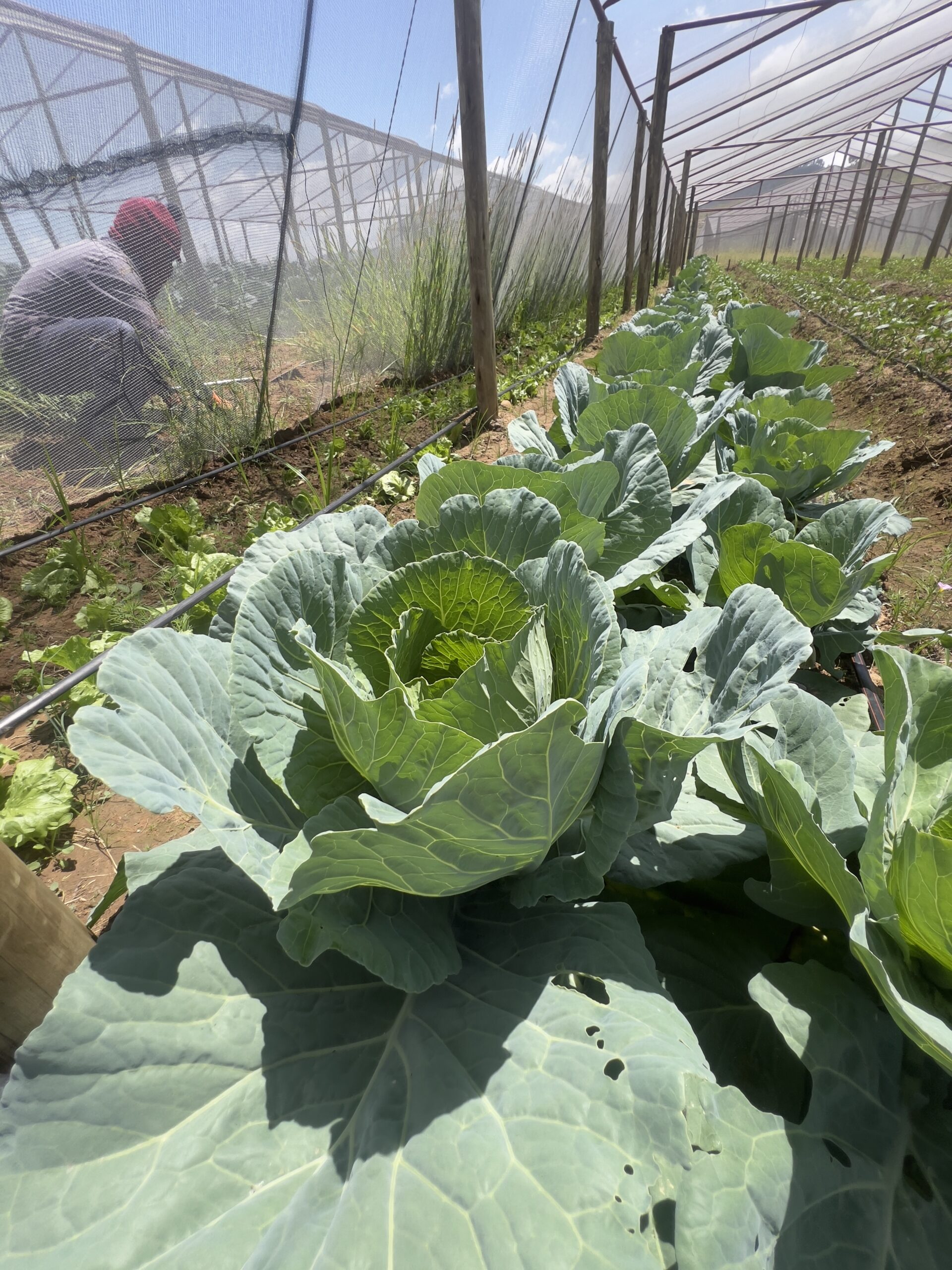
MASERU — Agriculture remains one of the most important livelihoods in Lesotho, yet many farmers continue to struggle to make a profit even when they manage to produce food successfully.
The paradox is striking. While thousands of Basotho depend on farming, the country still imports large volumes of food from neighbouring South Africa. Experts say the problem is not only about production but about markets, infrastructure and policy.
Agriculture contributes roughly 8 percent to Lesotho’s GDP and supports the livelihoods of a large portion of rural households. In fact, around 80 percent of households rely on some form of farming, mostly small-scale subsistence agriculture.
Yet the sector continues to face structural challenges that prevent it from reaching its full potential.
Farming remains heavily dependent on rainfall
One of the biggest obstacles facing Basotho farmers is the country’s heavy reliance on rain-fed agriculture. Without reliable irrigation systems, crop yields fluctuate dramatically depending on weather conditions.
Climate change is making matters worse.
Droughts, floods and extreme temperatures are becoming more frequent, directly affecting crop production. The agricultural sector is considered one of the most vulnerable parts of Lesotho’s economy to climate change impacts.
Farmers have also complained about limited access to climate-resilient seeds. In some cases, they are forced to use the same crop varieties even when weather patterns change dramatically.
This results in poor yields and increased risk.
Access to markets remains a major barrier
Even when farmers produce successfully, they often struggle to sell their crops.
Agricultural authorities acknowledge that market access remains one of the biggest problems in the sector. Farmers may harvest vegetables or cereals but fail to find buyers at fair prices.
As a result, produce sometimes goes to waste while supermarkets continue importing food from South Africa.
For many farmers, this situation creates frustration.
“If farmers cannot be sure their produce will sell, they cannot reinvest in farming,” agricultural analysts have noted in studies of Lesotho’s food system.
Limited arable land adds pressure
Lesotho also faces geographic constraints. Only a small portion of the country’s land is suitable for crop farming.
Overgrazing, land degradation and soil erosion have further reduced productive farmland. These pressures make it difficult to increase agricultural output without significant improvements in technology and land management practices.
Because of these limitations, experts argue that improving productivity per hectare is more realistic than simply expanding farmland.
Potatoes and horticulture offer hope
Despite the challenges, certain crops show strong potential for growth.
Lesotho’s high-altitude climate is particularly suitable for potato farming, which has increasingly been identified as a strategic crop for improving food security and generating income.
Vegetables such as cabbage, spinach and peppers also perform well in many districts, especially where irrigation systems are available.
Some policymakers now argue that the future of agriculture in Lesotho lies in commercial horticulture rather than traditional subsistence farming.
The policy question
Agricultural experts increasingly believe that the key issue is not whether Basotho can produce food, but whether the country can create an environment where farming becomes a profitable business.
This includes:
• stronger protection for local farmers during harvest seasons
• improved irrigation infrastructure
• better agricultural extension services
• organised produce markets and aggregation centres
Without these interventions, many farmers will continue to struggle despite their efforts.
The bigger question for Lesotho
The debate over agriculture ultimately raises a larger question for policymakers.
If a country where most people have farming experience cannot produce enough food for itself, what does that say about the economic system supporting agriculture?
For many rural communities, the answer is clear: Basotho farmers are capable of producing. What they lack is a system that allows them to compete.
Until that changes, the country will remain caught in a cycle where farmers produce food, but the nation still imports most of what it eats.
You have 1 free article left this month. Create a free account for 15 articles/month.
Create free account