


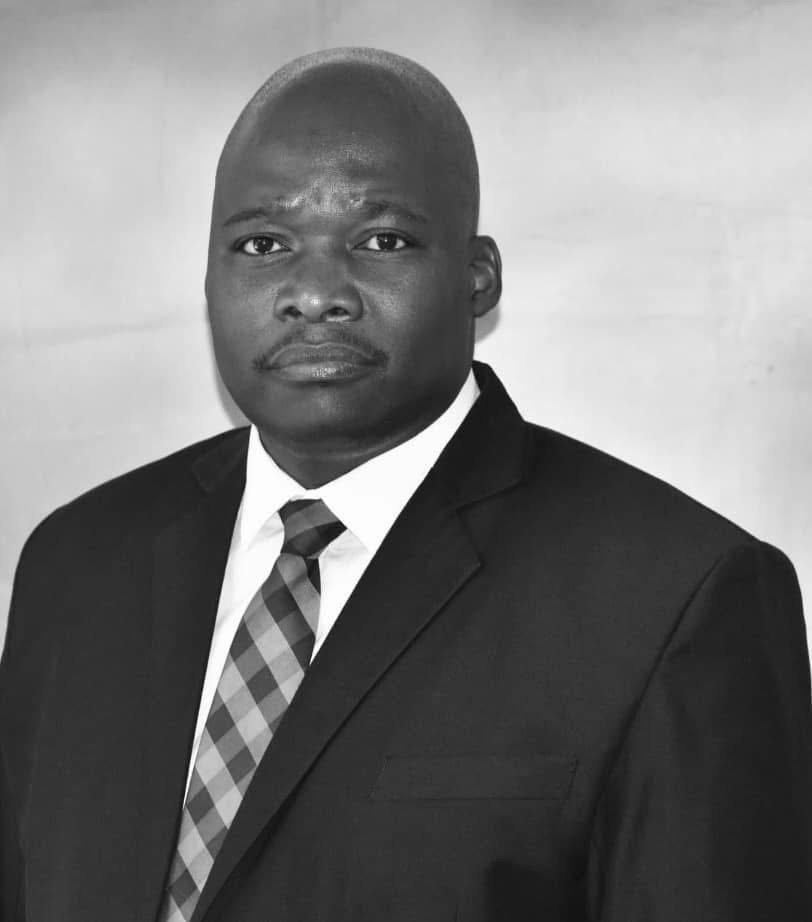
The turmoil at the Lesotho Electricity and Water Authority (LEWA) board continues to unfold, with Acting Minister of Energy, Hon. Mohlomi Moleko, issuing a termination letter to board member Khotso Masheane on 4 August 2025. This marks the second dismissal in a matter of weeks following the earlier firing of the board chairperson, Makotoko Makotoko. Moleko’s letter, which Lesotho Tribune has seen, accuses Masheane of conduct inconsistent with the collective responsibility required of board members and points to a specific Facebook post as the tipping point.
According to the letter, Masheane’s social media comments, published a day after the chairman’s termination, undermined the board’s integrity and cast doubt on the decision-making processes at LEWA. While the post does not mention any individual by name, Minister Moleko interprets the remarks as an implicit criticism of the leadership and decisions taken in the interest of good governance. The statement cited by the Minister reads: “Boards of failed companies are often full of agreeable professionals who nod along just to keep the peace.”
The Facebook post in question, which was made from Masheane’s verified profile, goes beyond that one quote. In a detailed and reflective tone, Masheane writes, “Both successful and failed organizations often have the same board structures, policies, and meeting routines. But outcomes vary drastically. Why? The difference is not in the systems; it is in the people. Specifically, it is the quality and courage of the board members.” He further laments the tendency to appoint individuals based on their paper credentials rather than their moral character and courage to challenge dysfunction from within.
While many observers viewed the post as a broader commentary on governance culture in the country, the Minister regarded it as an attack on the credibility and legitimacy of a lawful decision by the appointing authority. In the termination letter, Moleko emphasized that public disparagement of board decisions and fellow members, even through innuendo, compromises the reputation of the institution. He reiterated that LEWA board service is a position of collective accountability, not a platform for public dissent.
Moleko concluded the letter by stating that Masheane’s remarks made it difficult to view his actions as anything other than an attempt to undermine lawful decisions. “Such conduct is not compatible with the high standards of professionalism, unity, and mutual respect required of members serving in regulatory governance,” the Minister stated.
With two dismissals in rapid succession, the crisis at LEWA signals deeper fissures in the governance of state-owned entities. The firings have sparked debate over the limits of board member expression, the role of constructive dissent in public institutions, and whether the Minister’s actions amount to authoritarian overreach or are necessary to preserve institutional integrity. As questions swirl around governance reform and regulatory independence, the LEWA board saga continues to dominate the national discourse and raises uncomfortable truths about the state of accountability in Lesotho’s public institutions.
This is a developing story.