

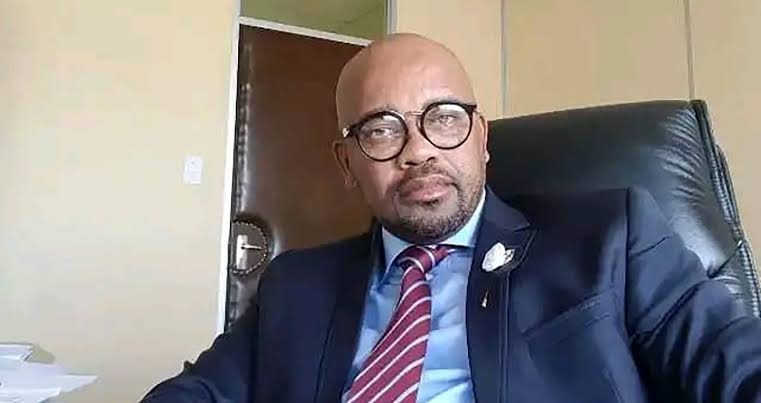
BNP leader Machesetsa Mofomobe has told Lesotho to use its Highlands water as leverage to secure better treatment from South Africa or remain a permanent underclass.
By Seipati Matobo
Machesetsa Mofomobe, leader of the Basotho National Party, has urged Lesotho to treat its Highlands water as strategic leverage in relations with South Africa.
Speaking at a press conference in Maseru, he said South Africa treats Basotho like dirt while the country is fully enclosed by its neighbour. He compared Lesotho Highlands water to the Strait of Hormuz.
“Lesotho Highlands water is our Strait of Hormuz.”
Mofomobe said it is time for Lesotho to use its only real leverage to negotiate better immigration conditions, higher royalties and arrangements that specifically benefit Lesotho.
Lesotho Highlands water as the key bargaining chip
The Lesotho Highlands Water Project is one of the largest transboundary water schemes in the world and South Africa’s biggest investment outside its borders.
Phase II, now under construction at Polihali, will raise annual water transfers from 780 million to 1,270 million cubic metres, supplying Gauteng. The project is years behind schedule but is now targeted for water delivery in 2028/29. More than a thousand workers are at the Polihali site.
Accusations of divided loyalties
Mofomobe argues that Lesotho’s weak negotiating position stems from political leaders who hold South African citizenship or passports. He has named several cabinet ministers, including the Prime Minister, and filed a motion in Parliament requiring MPs and senior officials to declare any South African documents.
Before 2018, Lesotho’s constitution banned dual citizenship. Mofomobe says its legalisation has created a leadership class whose loyalty is split between the two countries.
Risks for both countries
Mofomobe has called for South African workers to be expelled from the Polihali project. He says he will push major political reforms, including a retirement age for chiefs, if his party comes to power.
Any disruption carries high risks. Gauteng depends on the water, and further delays would hurt both economies. South African ministers have described the project as a model of cooperation and stressed that royalties are paid. Mofomobe’s question is whether the deal is fair.