


The 2027 national elections are fast approaching and a prevailing sense of dissatisfaction among the populace has become evident. This discontent extends not only towards the current administration but also towards all previous governments in Lesotho which have largely failed to uphold the promises made during their campaigns.
As political parties, we would like to believe it is essential to engage in thorough self-introspection at one point to identify and implement effective strategies that will resonate with the voters and ultimately restore their trust. The number one question our politicians need to ask themselves is: what concrete steps can we take to ensure that we not only win back the support of the electorate but also secure a prominent position in the next government?
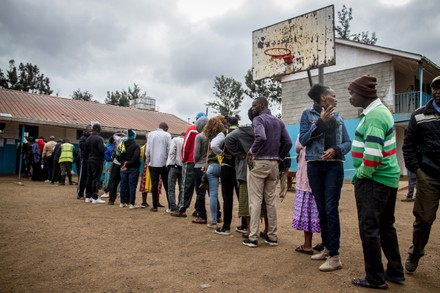
The urgency of the situation is underscored by the current government’s need to convene a critical, perhaps even unconventional, meeting to address the growing concerns voiced by citizens. The sentiments expressed on the streets indicate that many are losing faith in the electoral process, casting doubt on the potential success of the upcoming elections. A significant risk looms that a large number of Basotho, particularly those residing in the highland areas, may opt to boycott polling stations altogether.
In light of this, we recently embarked on an insightful journey, taking a left turn out of Maseru to engage directly with the people living in rural villages. Our objective was to gather their thoughts and reactions regarding the current government’s performance. This raises an important question: Do our politicians genuinely care enough to reconnect with the very same constituents who once entrusted them with their votes? Are they willing to go back and assess how effectively they have addressed the community’s needs and how well they have fulfilled the promises made during their election campaigns? Or do they only revisit these communities when they are in pursuit of votes?
What we gathered in our journey is that the people have had enough. They wish for change in the way Lesotho is governed. Most of the people we interacted with said if it were up to them, they’d command the King to take over his role and change Lesotho into a monarchy. Their belief is without political influence, Lesotho can be the Lesotho Basotho always wanted.
Many, in 2022 when the Revolution For Prosperity made a grand entrance in the political scene, were relieved and their hopes were revived because its leader, Prime Minister Sam Matekane, had always been a successful business man who had supported the poor, even the past governments alike, therefore, he had qualities of a leader Basotho always wanted to drive change in Lesotho and improve the lives of all, especially in the highlands where politicians only go to buy votes with food parcels and rich empty promises.
However, the reigning government lifted the people’s hopes from 100 to zero in a very short space of time. The people’s hearts are red with fury in the Lesotho that our politicians only visit to regain strength to climb the power ladder. Most of these people said they couldn’t even single out one development project or initiative in the communities brought by politicians except rivals of political divisions.
Meanwhile, Maseru is shining with improved infrastructure that was meant to curb high crime rates while the highlands were forgotten in the process. From mere gravel roads to no lights, the people cry foul, saying they don’t ask for much but to be remembered in any development plans that are made. The lights, most said and continue to say, will probably “shine light on Basotho and create jobs” that many have long begged to be created.
Grievances are many outside town, calling to action those in power to make time out of their busy schedules and stop discussing bills that aren’t benefitting the nation but their people to go back and recollect the people’s opinions in places that give them the power they only exercise where it benefits them.
It is therefore crucial for political leaders to bridge this gap and foster a genuine dialogue with the electorate, thereby reinforcing their commitment to the people and ensuring that their voices are heard in the corridors of power.
The people have had enough with empty promises. They need action. They need to see the ground moving, not just from a distance but they also need to feel the movement from around them.
Before our politicians put on their different colours and plan trips into the mountains next season, they need to sit down and question themselves; what is it that we are going to do different? How are we going to start for real this time? And that time is now. Not two months aware from “the big day”.