

Maseru – A political master stroke has just been thrown in the National Assembly by Hon. Machesetsa Mofomobe, by tabling a motion demanding that MPs holding South African citizenship or residency status publicly declare it. What appears on the surface as a technical matter of accountability has exploded into a test of loyalty, sovereignty, and party discipline, placing the ruling Revolution for Prosperity (RFP) at the center of a controversy it would rather avoid.
The motion, lodged on October 1, calls on every member of the National Assembly to submit a written declaration if they possess South African identity documents, passports, or permanent resident permits. It further requires the Speaker or Clerk to publish those declarations in the interest of transparency and the protection of Lesotho’s sovereignty.
The RFP Dilemma
For RFP, which swept to power on a reformist ticket in 2022, the motion cuts uncomfortably close to home. A backbencher who spoke to Lesotho Tribune under condition of anonymity disclosed that party leaders have been quietly rallying MPs to oppose the motion.
“We have been told to close ranks and vote against it,” the MP said. “But privately many of us admit it touches a real issue.”
The same MP claimed that as many as 23 RFP legislators hold South African IDs. If true, that would represent nearly half the party’s caucus. Lesotho Tribune could not independently verify the number, and official comment from the RFP was not forthcoming. Attempts to reach the party’s spokesperson went unanswered.
Mofomobe’s Crusade
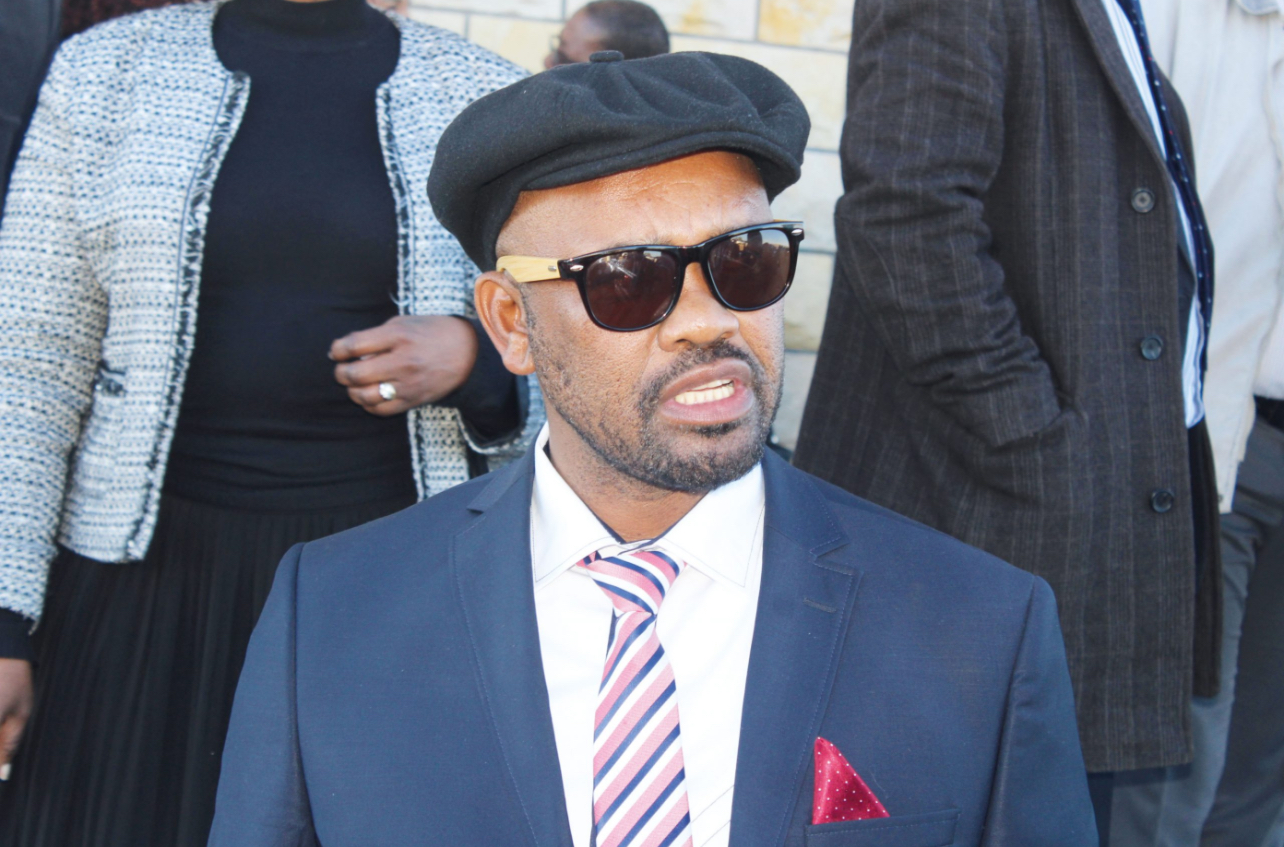
Hon. Mofomobe, a seasoned political maverick, insists the motion is about more than paperwork. Speaking to Lesotho Tribune, he accused elements within Lesotho’s leadership of harboring divided loyalties.
“Lesotho is led by people who hate this country and want to see us becoming part of South Africa,” Mofomobe said. “This motion will expose how deeply infiltrated our politics is by South African agents.”
His words cut directly into a long-running national anxiety: the porousness of the border with South Africa, the ease with which Basotho obtain South African documents, and the creeping suspicion that Lesotho’s sovereignty is being quietly hollowed out.
A History of Double Lives
The issue of dual identity is not new. For decades, many Basotho, both ordinary citizens and politicians, have sought South African documents for convenience, access to jobs, and mobility. What has rarely been confronted, however, is the political cost when those same documents are held by lawmakers entrusted with shaping Lesotho’s future.
Lesotho’s constitution does not permit dual citizenship for adults, creating a legal grey zone in which leaders can openly or covertly benefit from South African status without facing scrutiny. Previous parliaments have skirted around the question, but Mofomobe’s motion drags it back into the spotlight.
A Test of Sovereignty
At its heart, the debate is less about passports and more about sovereignty. Can a legislator sworn to defend Lesotho also hold the papers of another state? Does the possession of a South African ID amount to divided allegiance, or is it simply a pragmatic reality of life in the Mountain Kingdom where proximity to South Africa shapes almost every economic and social dynamic?
For Mofomobe, the answer is clear. The infiltration of foreign influence has already compromised national decision-making. For RFP, however, the motion represents a political landmine. If dozens of its MPs are exposed as South African document holders, the party risks accusations of hypocrisy, illegitimacy, and betrayal of national interest.
Political Fallout
Analysts warn that whatever the outcome of the vote, the damage is already done. By raising the issue in Parliament, Mofomobe has forced the RFP into a defensive crouch. If the motion fails, it will be seen as evidence of the ruling party shielding compromised MPs. If it passes, it could trigger a crisis of legitimacy with implications far beyond Parliament.
Some even suggest that the revelation of widespread dual status among MPs could spark public anger and calls for broader constitutional reform. For a government already battling perceptions of elitism and internal fractures, the motion could not have come at a worse time.
The Silence of the Party
The RFP’s refusal to publicly address the allegations only deepens suspicion. Silence in politics often speaks louder than words. The unanswered calls to the party’s spokesman leave a vacuum that Mofomobe has filled with incendiary claims about South African “agents” steering Lesotho’s destiny.
What remains unclear is whether the RFP leadership intends to confront the issue head-on or simply rely on numbers in Parliament to smother the motion. Either way, the public now watches closely, aware that the debate touches the core of who governs Lesotho and for whose interests.
A Nation Watching
As the motion makes its way through the Order Paper, the stakes are undeniable. For Lesotho, this is more than a question of administrative transparency. It is a confrontation with uncomfortable truths about identity, allegiance, and the fragility of sovereignty in a small state overshadowed by a giant neighbor.
Hon. Mofomobe has forced the country to ask: Who really governs Lesotho?