


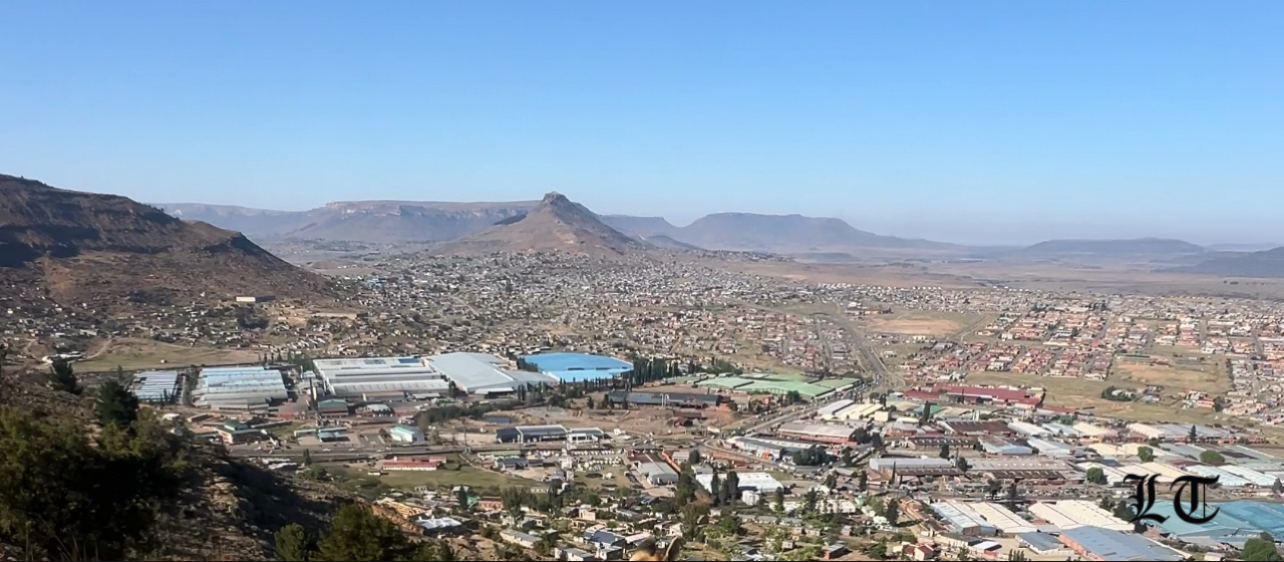
Once upon a time, Lesotho’s manufacturing belt was alive. Around 50 529 people worked in factories in 2020. Back in 2016, it was 46 000. A net gain of almost 6 000 jobs in just three years. Even during the worst months of Covid-19, the LNDC boasted of retaining close to 48 000 factory jobs.
So what happened? Where did the jobs go?
If your answer starts with “Donald Trump,” please stop and go fly a kite. Trump only took office in 2025. Our job losses began long before that. The truth is harder to swallow. We did this to ourselves.
Factories closed. Orders dried up. But the reasons were local too. Our costs rose. Our power flickered. Our infrastructure aged. When a brand in New York or Tokyo looks for suppliers, they compare more than wages. They compare reliability. And Lesotho’s record is no longer convincing.
Global demand changed after the pandemic. Supply chains shifted. Countries like Ethiopia, Kenya, and Vietnam undercut us on price and efficiency. We relied on AGOA access but never built beyond it. We thought preferential trade terms were permanent. They were not.
Inside the country, we failed to upgrade. We trained workers only after hiring them. We imported every input; zippers, thread, packaging and still called it “manufacturing.” We never built proper linkages. When borders tightened, everything stopped.
And while we comforted ourselves with retention numbers, the reality on the ground was shrinking. Some factories downsized shifts. Others paid half wages. The LNDC counted jobs that barely existed.
The painful question is not who took our jobs. It is what we did to lose them.
If Lesotho wants to rebuild, it must stop chasing ghosts. Fix the power grid. Fix the data. Build local supply chains. Train before hiring. Diversify markets. And stop pretending that old AGOA-era growth will come back by itself.
The jobs did not vanish. We watched them leave.