
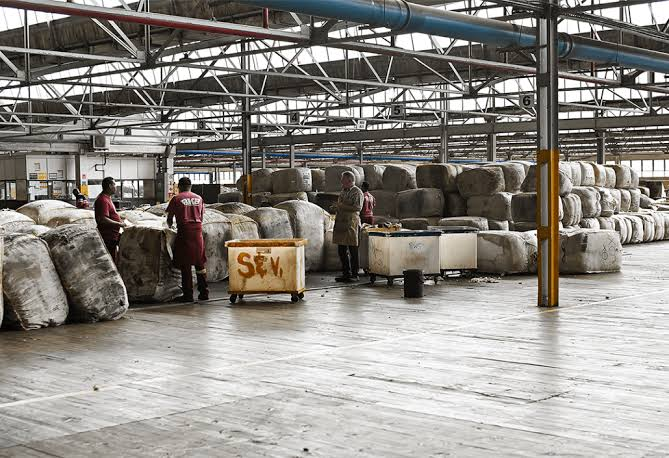
Money is deducted from wool and mohair earnings for a statutory levy, yet Revenue Services Lesotho will not say whether it ever examined how the money was handled.
About this seriesThis is the first in a three-part Lesotho Tribune investigation into how BKB and the LWMGA allegedly came to hold M15 million (about US$925,000) that was meant to be collected by the government as dipping levy, a statutory charge deducted from the earnings of Basotho wool and mohair farmers. Over the coming parts, the Tribune will trace how the levy was collected and administered, and press the institutions responsible for an account that farmers have waited years to receive. This reporting will be updated as outstanding responses arrive.
A levy comes out of the earnings of thousands of Basotho wool and mohair farmers, season after season, collected in the name of keeping their livestock free of disease. Ask what became of that money, and whether it was accounted for as the law requires, and the answers run dry.
When the Lesotho Tribune put those questions to Revenue Services Lesotho, the tax authority would not say whether it had ever looked into how the levy was handled. The Lesotho Mounted Police Service, put the same questions on the same day, had not responded by the time of publication.
This is the first in a Lesotho Tribune series on a charge taken straight from farmers’ pockets, and on the silence that has settled over how it was managed.
Revenue Services Lesotho spokesperson Thabang Loko replied to questions on 1 July 2026, resting the authority’s position on the confidentiality it owes taxpayers.
“RSL can only comment on matters that have been determined by a court of law and are already in the public domain.”
Thabang Loko, Revenue Services Lesotho
“RSL is bound by strict taxpayer confidentiality provisions and is therefore unable to comment on or disclose information relating to the tax affairs of any Taxpayer, whether an individual or an entity,” Loko said. He said the authority could speak only to matters already tested in court.
The dipping levy is deducted from the proceeds of wool and mohair sold by farmers across Lesotho, and farmers understand it to be meant for livestock disease control. For producers who count on the industry for their income, whether the money taken from their earnings was properly accounted for bears on their livelihoods and on their trust in the institutions that handle public money.
Those questions have gone unanswered for several years. There has been no public account of how much was collected, how it was administered, or whether every obligation attached to it was met.
They return now as new competition enters the wool and mohair sector, with fresh market players promising better prices and wider options for the producers who depend on it.
The Lesotho Tribune will pursue the answers across the parts of this series, and will update this report as responses are received.