



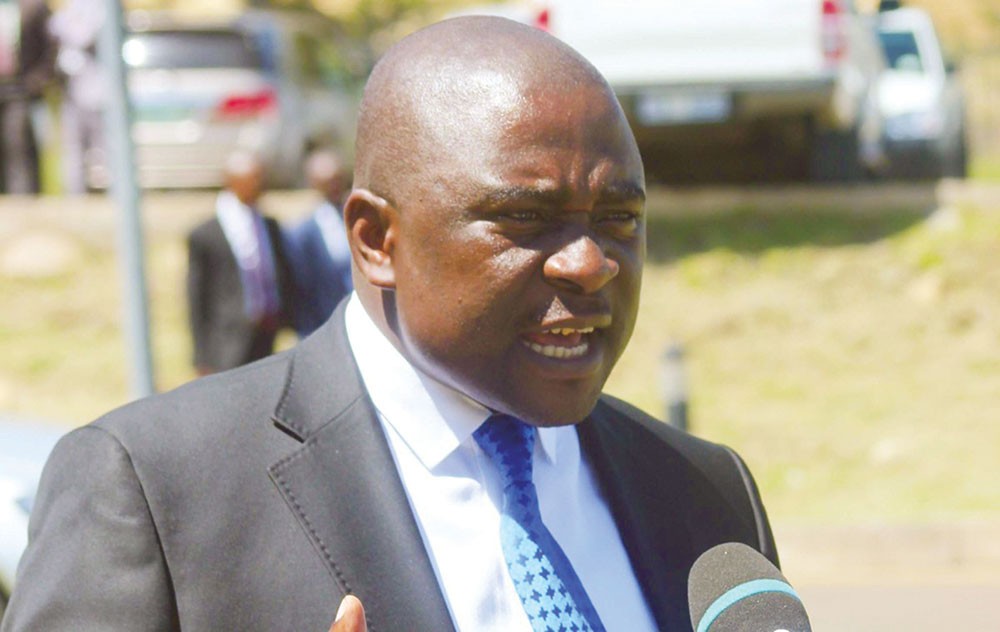
Proceedings in the National Assembly took an unexpected turn on Friday when Minister of Health Selibe Mochoboroane alleged that unnamed foreign governments had lobbied Members of Parliament to vote against the proposed United States–Lesotho health agreement. The claim was withdrawn within minutes, on procedural instruction from the Deputy Speaker, but the disruption it caused lingered well beyond its retraction.
Mochoboroane made the allegation during formal debate on the contested deal, asserting that some MPs had come under pressure from outside governments opposed to the agreement. The chamber’s reaction was immediate. Questions about potential external interference in Lesotho’s legislative process surfaced before the minister had finished speaking.
Deputy Speaker Tsepang Mosena intervened, instructing Mochoboroane to withdraw the statement on procedural grounds. The minister complied without further elaboration, and the allegation was formally struck from the record.
Its effect on the room was not.
Regional Comparisons Add Complexity to the Debate
Earlier in his remarks, Mochoboroane disclosed that similar health agreements had been offered to other African countries, specifically Eswatini, Zimbabwe, and Zambia. According to the minister, none of those countries proceeded with the deals, citing additional conditions that accompanied them.
Those conditions, as described by Mochoboroane, included provisions granting access to mineral resources and arrangements for housing prisoners from United States correctional facilities on Lesotho soil.
- Similar agreements were offered to Eswatini, Zimbabwe and Zambia; none proceeded.
- Conditions attached to those offers reportedly included mineral resource access and prison housing arrangements.
- It remains unclear whether the same conditions apply to the Lesotho agreement.
- The minister’s allegation of foreign lobbying was withdrawn on procedural grounds and does not form part of the official record.
Whether the same or similar conditions are attached to the Lesotho agreement was not clarified during the sitting. The disclosure raises pointed questions about what terms Lesotho has accepted, which it has negotiated away, and on what basis comparisons to neighbouring countries’ decisions are being made.
Support from the Opposition Benches
Not all contributions to Friday’s debate were critical of the agreement. Machesetsa Mofomobe offered a markedly different assessment, describing the deal as a potential lifeline for a health system that he characterised as being in urgent need of external support.
“Health for Basotho is critical.”
Machesetsa Mofomobe, addressing the National AssemblyMofomobe told the Assembly that the structure of the agreement gave him confidence that funds would be protected from misuse, and that the design of the project could help resolve long-standing inefficiencies in service delivery and resource management within the health sector. His remarks offered the debate a voice of qualified confidence, though they did not address the specific conditions Mochoboroane had raised.
A Debate With Broader Stakes
Friday’s sitting confirmed that discussion of the U.S.–Lesotho health agreement has moved well beyond the technical. What began as a policy question about health funding has become a contest over sovereignty, transparency, and the conditions under which Lesotho enters international partnerships.
The minister’s withdrawn allegation cannot stand formally in the parliamentary record. It nonetheless introduced a layer of suspicion into the chamber that subsequent sittings will have to contend with. Allegations of foreign interference in legislative proceedings, even when retracted, are not easily set aside.
The central questions before Parliament remain unanswered: what the agreement contains, whether conditions comparable to those described by the minister are attached, and whether Lesotho is approaching these negotiations from a position of strength or of necessity. Until those questions receive clear answers, the debate is unlikely to find resolution.
For now, Parliament has more questions than it does answers.