


Maseru
More people living with HIV in Lesotho are returning to treatment after a nationwide campaign to find and support those who had stopped taking their medication.
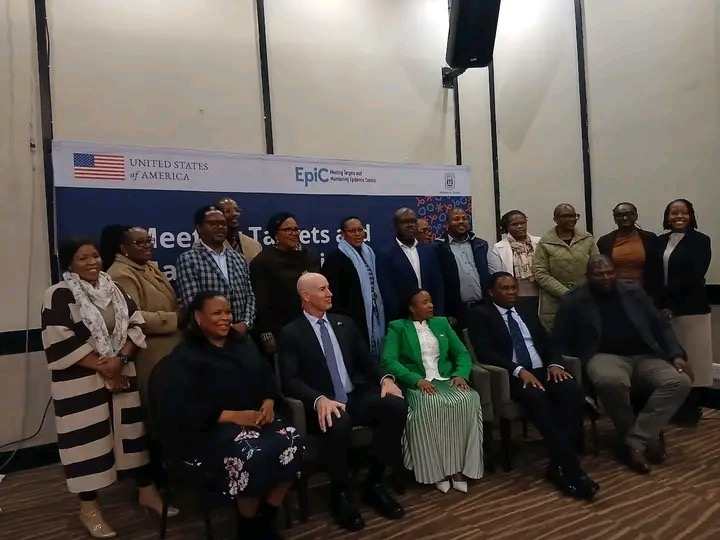
On Thursday, the Meeting Targets and Maintaining Epidemic Control (EpiC) Project, working with the Ministry of Health, held a Back to Care Campaign Dissemination Symposium in Maseru. The event brought together government leaders, health workers, development partners, and community stakeholders to share results, lessons, and next steps.
Lesotho has made big progress in controlling HIV over the years. But one problem remains: some people start treatment and then stop, or “interrupt” their care. When treatment is interrupted, the virus can get stronger, health can decline, and the risk of passing HIV to others increases.
The Back to Care Campaign was launched in selected districts to trace people who had been lost to follow-up and bring them back into care. Teams visited homes, used community structures, and worked with clinics to reconnect clients with treatment services.
Minister of Health, Mamokete Nts’ekhe, said the symposium showed both progress and the work that is still left to do.
“Progress is not only about putting people on treatment,” Nts’ekhe said. “It is also about making sure they stay in care for life.”
“This has restored health, dignity, and hope to families,” she added.
Dr. Tafadzwa Chakare, EpiC Project Director, explained that the campaign was a team effort. The Ministry of Health, district health teams, clinics, and community structures all worked together to trace clients and support them to return to treatment.
“The lessons we learned will help us strengthen national systems for treatment continuity and community-based care,” Dr. Chakare said.
Tiisetso Piet, Programmes Manager at the National AIDS Commission (NAC), said Lesotho has reduced new HIV infections, but gaps remain. She said children, adolescents, and men are groups that need more focus.
“These factors continue to drive new infections and make it hard for some people to stay on treatment,” Piet said.
Thomas Hines, from the U.S. Embassy, praised Lesotho’s progress and said the U.S. will continue to support stronger health systems and better access to treatment.
“The Back to Care initiative is not only about numbers,” Hines said. “It is about restoring lives, strengthening families, and building more resilient communities.”
The Back to Care initiative will continue as part of ongoing efforts to trace and re-link people living with HIV who have defaulted. The goal is to make sure they return to care quickly and keep receiving life-saving services without interruption.
Health officials say the campaign’s success shows that when communities and clinics work together, more people can stay healthy and live longer.