


Farmer’s corner
South Africa’s fresh produce markets are sending a mixed signal this winter: vegetables are holding up in price as demand softens and fruit remains in deflation, while the country’s overall cost of living hit its highest point in nearly two years, driven not by food but by fuel.
By Staff Reporter · Lesotho Tribune · June 2026
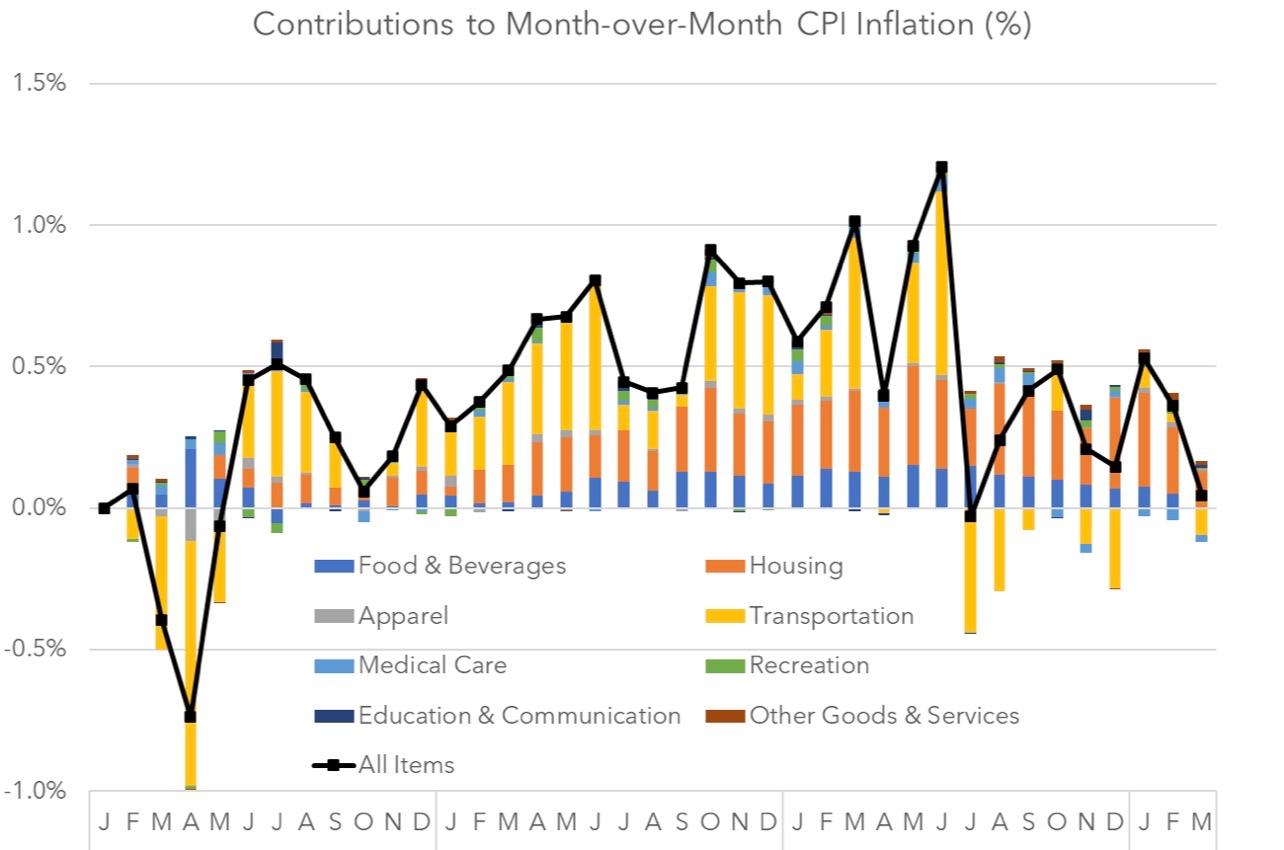
South Africa’s national consumer price index (CPI) rose to 4.5% in May 2026, up from 4.0% in April, according to Statistics South Africa. This is the highest rate since July 2024, when it was 4.6%. The monthly increase was 0.7%.
The surge did not come from the food basket. The inflation rise was largely driven by increases in fuel prices. The fuel index recorded a second large monthly increase, leaping by 14.3% to reach an annual rise of 28.7%. Over the past 12 months, prices for petrol increased by 24.8% and diesel by 53.8%. Stripped of fuel, the annual CPI stood at 3.7% in May, unchanged from the month before.
Inflation for food and non-alcoholic beverages continues to subside, declining to 1.9% from 2.9% in April. This is down from the peak of 5.7% recorded in July 2025. For farmers who sell staple vegetables and fresh fruit, the data tells a more specific story, and it is not uniform.
“Prices for fruits and nuts and vegetables are lower than a year ago, at -8.5% and -6.0% respectively. Both categories have been in deflationary territory since October 2025.”
Statistics South Africa, May 2026 CPI release
Vegetables: softening demand, but prices holding
At the national fresh produce markets, vegetable prices have come under demand pressure heading into the second half of June. According to AMT’s Dr Johann van der Merwe, vegetable demand has softened over the most recent trading weeks, with the question now being whether prices will follow.
Demand improved during parts of the past period, giving support to several vegetable prices. However, increasing volumes are limiting strong upward momentum, especially in potatoes. Carrots and onions still show potential for further gains.
Potatoes, onions, tomatoes, cabbages, and carrots are the five highest-volume vegetables at South Africa’s national fresh produce markets. Johannesburg’s market holds a 46% share of national trade, with an estimated 43 million people across the country depending on the national markets for fresh fruit and vegetables.
Selected price movements, May–June 2026
| Commodity | Month-on-month | Year-on-year (CPI) | Direction |
|---|---|---|---|
| Potatoes | Volume pressure | −6.0% (vegetables) | ▼ |
| Onions | Potential for gains | −6.0% (vegetables) | ◆ |
| Carrots | Potential for gains | −6.0% (vegetables) | ◆ |
| Maize meal | Deflation deepening | −4.4% | ▼ |
| Brown bread | Marginal decrease | −0.3% | ▼ |
Sources: Stats SA CPI May 2026; AMT Fresh Produce Market Report June 2026. ▼ = lower year-on-year. ◆ = mixed/watch.
Fruit: volume pressure, falling prices
The fruit market has faced sustained downward pressure since October 2025. Prices for fruits and nuts are 8.5% lower than a year ago, and the category has been in deflationary territory continuously since October 2025.
Banana prices dropped sharply in late May, while oranges, lemons, grapefruits and avocados also remained under pressure due to higher volumes on the market. Table grapes and blueberries were exceptions, still showing strength.
Fruit markets continued to face a clear downward trend across most categories, driven largely by increasing supply and relatively soft demand. The key question as markets move deeper into winter is how long this pressure will last before tightening seasonal supply provides a floor.
Meat and dairy: inflation cools but remains positive
Meat inflation cooled in May, recording an annual increase of 7.3% compared with April’s 9.4%. The monthly rate was -0.8%. Stewing beef prices dropped by 3.0% and beef mince by 2.4% between April and May. For farmers supplying beef to market, the monthly relief does not erase a still-elevated year-on-year position.
The annual rate for the milk, other dairy products and eggs category increased to 0.9% from 0.1% in April. Full cream long-life milk rose 1.7% month-on-month, low fat fresh milk by 1.5%, and cheddar cheese by 1.5%.
What this means at the farm gate
For Basotho farmers selling into the South African market, the data points in two directions. Fruit and most vegetable categories are cheaper than a year ago, which is good for consumers but compresses margins for producers. At the same time, fuel costs are 28.7% higher year-on-year, raising transport costs for every tonne that moves from the Free State or the Lesotho highlands to a national market.
Annual deflation for cereal products deepened in May, dropping to -1.4%, with maize meal 4.4% cheaper than a year ago. Cheaper staples reduce input costs for livestock farmers using maize-based feed, but also reduce the price of competing starch products in the retail basket.
The rand traded at approximately R16.48 to the US dollar on 23 June 2026 (USD /bin/sh.061). For farmers with export exposure, any further rand softening would partially offset the local price deflation in fresh produce. The rand has averaged R16.43 to the dollar so far in 2026.
Lesotho’s own CPI data, published by the Bureau of Statistics, lags South Africa’s by several months. The most recent available figure, for February 2026, showed inflation at 2.7%, down from 3.4% in January. No figures for March, April or May have been published. The gap in publication timing means Basotho farmers and policymakers are currently working from data that is at least three months behind the South African picture.
The core inflation rate, which excludes food, non-alcoholic beverages, fuel, and energy, rose to an over one-and-a-half-year high of 3.8% in May, up from 3.6% the previous month. This reflects cost pressures across the rest of the economy that affect farming operations, including packaging, labour, and equipment.
The next Stats SA CPI release, covering June 2026 data, is scheduled for mid-July. Market watchers will be looking at whether vegetable deflation deepens as the winter season progresses or whether tightening supply in select categories, particularly onions and carrots, provides a floor.