


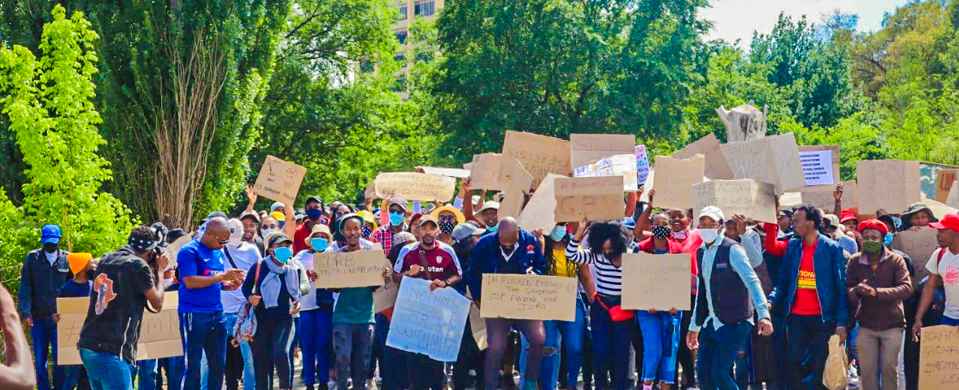
On April 2025, a coalition of youth organisations submitted a request to the office of Prime Minister Sam Matekane to declare a youth employment as a state of emergency.
This letter was responded to by the Minister in the Prime Minister’s Office, Limpho Tau, on May 2025, indicating that the office has taken note of the matter and that the government was currently considering it.
He had highlighted that the Lesotho Disaster Management Board, which is mandated by the Disaster Management Act of 1997 to advise the Prime Minister on emergency declarations, had discussed the matter at its meeting that was held on June 4 and directed the department to review the situation in order to advise the board on June 13.
However, Tau in his letter indicated that declaring a state of emergency to bring the situation under control was not the right way to handle the issue for various reasons related to the laws set when declaring a state of emergency. However, he indicated that the issue was of utmost importance and was already being addressed by those involved.
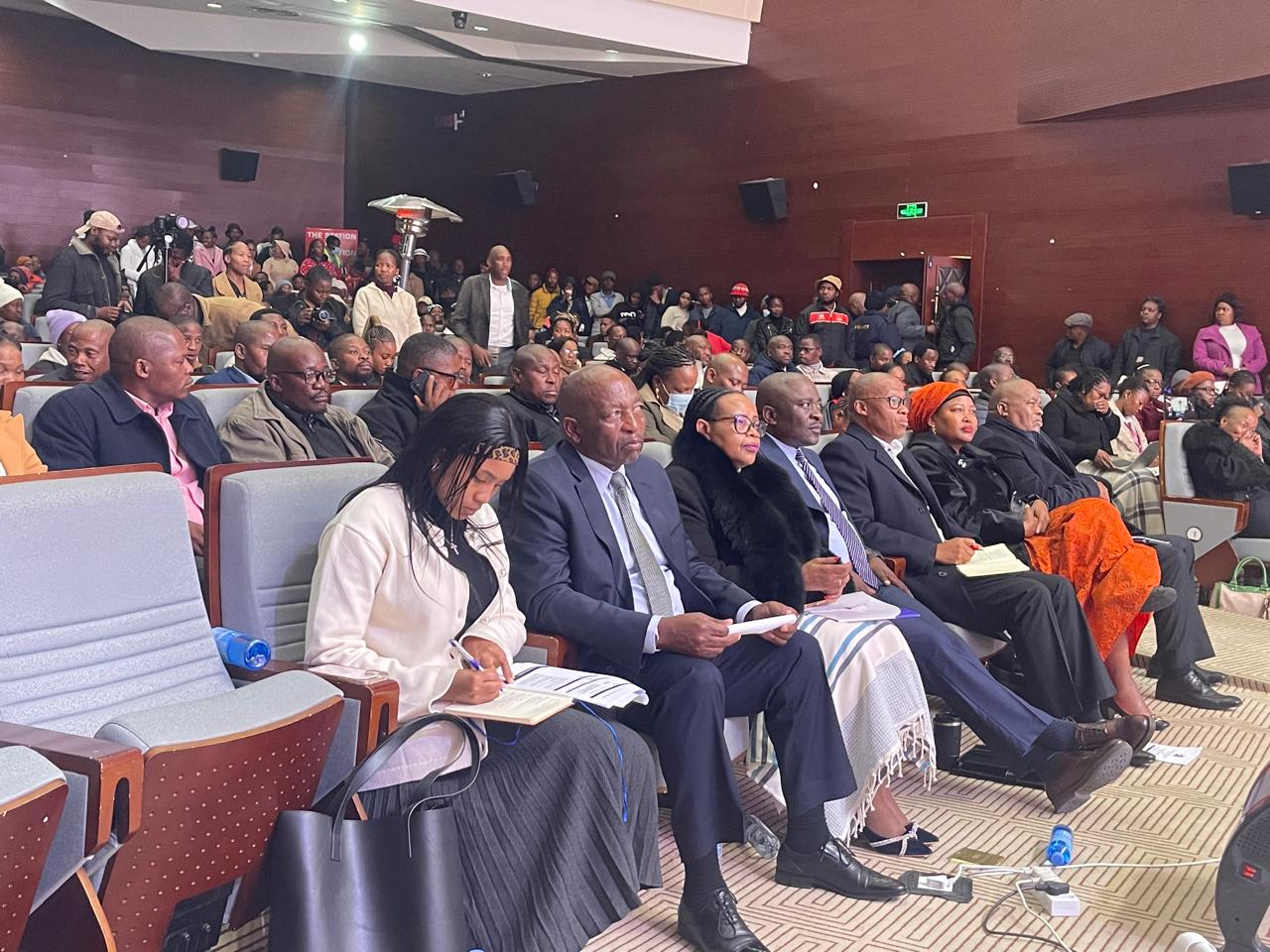
On June 18, the Prime Minister called a youth engagement forum to discuss collective contributions to curb unemployment, an initiative that resulted in a declaration of unemployment as a National State of Disaster. The declaration was made in a Monday, 7 July, 2025 gazette by Justice Nthomeng Majaraacting in the capacity of the Prime Minister and will stay so for a period of 2 tears.
It was said that the high rates of youth unemployment and job losses threatened the livelihoods of the people of Lesotho.
Following this declaration, Section 2, the Advocates of the Supremacy of the Constitution issued a statement subjected “Statement on the Declaration of Disaster on youth Unemployment”.
Section 2 strongly argued that the declaration “is not only unprecedented in scope but is also legally untenable, politically expedient, and constitutionally precarious.”
It continued to say “by contrast, youth unemployment and job losses, however regrettable and severe, do not fit the statutory construct of a “disaster” under the Act”, referring to Section 2 of the Disaster Management Act, 1997 (Act No.2 of 1997) that defines disaster a progressive or sudden, widespread or localised, natural or man-made event…
It said legalising this declaration would therefore open the door to future “disaster” declaration in relation to potholes, corruption, mismanagement or even public dissatisfaction with service delivery.
“If the government is of the view that persistent socio-economic deprivation now qualifies as a disaster, then the appropriate legal and constitutional course of action is to introduce an amendment to the Disaster Management Act through a transparent, consultative parliamentary process…ensure that any expanded executive authority is subject to constitutional safeguards, judicial oversight, and clear limitations in both scope and time,” Section 2 affirmed.
It said if none of the amendments are made, then the declaration might as well be considered “ultra vires” as “the youth of Lesotho deserve more than symbolic gestures wrapped in legal exceptionalism.”
The Coalition of youth organisations didn’t take Section 2’s statement lightly, as they also issued a statement titled “Legal Rebuttal to withdraw of state of disaster and taking of some overt action to alleviate youth unemployment”.
After the uproar of Section 2’s legal attempt to the office of the Prime Minister to withdraw the state of disaster declaration, the united organisations issued another letter, now a strong rebuttal against this attempt.
This response was triggered by Section 2’s asserts that the attempt to interfere with the government’s disaster management efforts is unlawful and against the interests of Lesotho’s youth.
The organisations defended their case, saying the Prime Minister acted within his rights under the Disaster Management Act of 1997 when declaring the state of disaster. They contended that the declaration was a necessary response to the severity of youth unemployment, which they classify as a man-made disaster resulting from policy failures.
They further claimed that Section 2 failed to raise objections promptly and that their request to the office of the Prime Minister was based on misinterpretations of the law, emphasizing that the government’s actions align exactly with Section 25 of the constitution, which promotes socio-economic affairs.
The youth organizations therefore requested that the Prime Minister dismiss the withdrawal request and maintain the disaster declaration to facilitate ongoing efforts to address youth unemployment through legal, financial and technical support.
While the back and forth of letters is keeping the youth busy on their toes, apparently a total of 3, 575 jobs have been created since the declaration of Disaster on youth unemployment.
The Ministry of Public Works and Transport has allegedly created 2,079 jobs, 1,000 youths will be absorbed by initiatives led by the Ministry of Trade, 96 by environmental programmes under the Ministry of Environment and 400 will sign the National Youth Apprenticeship Programme contracts. The spectators in the battle of legal clauses are carefully and patiently watching to see who among the many unemployed Basotho will make it on the government’s payroll without a politician in their pocket.