
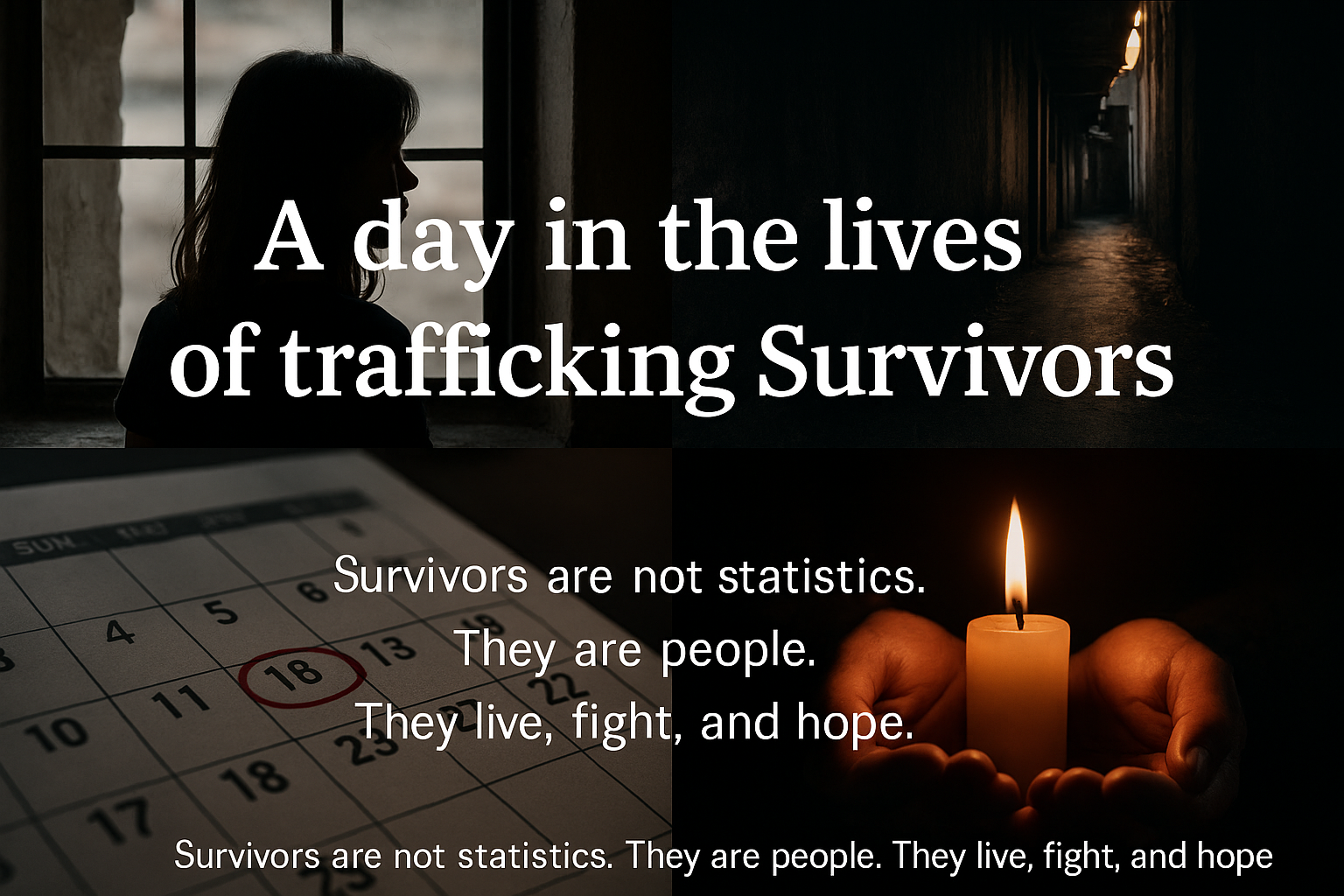
When Matṣ̌episo (real names withheld), 32, from Pitseng, Leribe, left home on 20 October 2023, she believed she was stepping into a new chapter; one that promised a stable job and a better life for her 9-year-old son and elderly grandmother.
Instead, she walked straight into a trap; the job she was promised in Welkom, South Africa, had been arranged by her friend, someone she trusted, but as soon as she arrived, the truth became clear: there was no job, there was no salary.
With a trembling voice, she said she was supposed to work at the guest house, but unfortunately, when she got there, she was forced to sleep with the owner of the guest house.
She said she was promised a salary of R2,500, but to her surprise, her employer deducted food, rent and other false costs from the salary, leaving her with nothing but trauma.
She said night after night, after the hard work in the guest house, she was forced into sex with the owner until she fell pregnant.
As if the pregnancy was enough, Matṣ̌episo was not only haunted by the abuse but also by the threats she got if she considered terminating the pregnancy.
“They told me if I aborted the baby, I would die,” she said.
That fear kept her silent but one night, she made a brave decision to run. She escaped by climbing over a wall, barefoot and terrified. But alive, she returned home, pregnant, broken.
Her baby turned one on July 17, 2025, a living reminder of what she endured.
Today, with support from Beautiful Dream Society (BDS), the European Union and World Vision, ’Matšepiso is rebuilding. She runs a small piggery business and receives emotional support from counsellors.
Another victim, Thato (not real names), a young man with a promising football career, said it all started with a handshake. In 2021, he was spotted while playing for a B Division team. A Nigerian man promised to help him attend professional trials in Dubai and offered a signing bonus of R25,000 if he succeeded.
That was hopeful. He prepared carefully, getting vaccinated, testing for HIV and processing a visa. He finally flew out in November after a two-week quarantine in Kenya but when he landed in Dubai, there were no football trials.
Instead, he was taken into a house full of strangers and stripped of his documents. He was forced to open multiple bank accounts and register his SIM cards. His identity and personal information would be used to launder money.
Thato said he was even forced to sign a fake marriage certificate with a woman he did not know, but that did not work.
“They used my name to commit crimes. I was their puppet,” he said.
Eventually, a local man who owned a flat noticed that Thatolooked distressed and offered to help him. Authorities in Dubai uncovered the trafficking ring and he came back home.
When he arrived, the Nigerian man who played a role in his trafficking was sentenced to 15 years in prison and was also arrested for not having proper documentation in Lesotho.
That is also getting help from BDS and World Vision. He received therapy and tools to start an electrical workshop — drill, grinder and startup materials.
“They used my talent against me. I lost my football career and I am never returning to it,” he said painfully.
Boitumelo, a seamstress, had been working in textile factories in Lesotho. After COVID-19 hit, she lost her job. In 2022, a man promised her work in South Africa’s Newcastle factories where she’d earn better money.
She and several other women boarded at night, smuggled through the border near Maputsoe. They were told not to bring their passports. When they arrived in Durban, the factory was dark, cramped and filthy with toilets next to the kitchen. There was little food or no food at all and even less hygiene.
“They promised us work. What we found was slavery, sexual exploitation, work exploitation, followed by which I fell seriously ill, unable to speak or move until I was hospitalised,” she recalled.
She was rescued by police and later supported by BDS and World Vision. They provided her with a sewing machine and startup fabric on August 1, 2024. Today, she works from home and is slowly regaining her confidence.
Keitumetse from Butha-Buthe said she was approached by a churchmate, a woman much older than her, telling her that there was a job in Johannesburg. Keitumetse had to leave her business of selling hot dogs and food in town for Johannesburg, only to find out she was lured into sex work.
Before she left, she was asked about her body, her age and they requested her to share her photos. She left on April 7, 2024. When she got to Johannesburg, she was taken to what looked like a party house, loud music, weapons and men.
She said various men entered the room to explore her, touch her and offer her drinks which were already opened.
“I was scared and pretended to drink their drugged drink,” she said.
Keitumetse also highlighted that the men she was left with in the room slept due to heavy drinking, giving her a chance to escape to the neighbouring house, and later left for the nearest petrol station. She said she was finally rescued by police.
She was repatriated and, like the rest of the survivors, she received therapy from the BDS, which gave her 100 broilers and sent her back to school. She received additional help from World Vision, and through the European support, she was given six piglets to start an income-generating project.
Human trafficking is a pressing crisis that often goes unnoticed by many. Consider the poignant story of Thato, a talented athlete whose journey took him from the hopeful dreams of football fields to the grim reality of financial trafficking. This illustrates that human trafficking is not just a far-off issue affecting distant communities; it is a pervasive problem that can arise from trusted individuals in our own lives. The allure of opportunity can sometimes mask darker intentions, leading vulnerable individuals into exploitative situations. It’s crucial to recognize that this is a societal issue that requires attention and action, as it can impact anyone, even those who seem to be following a promising path.
You have 1 free article left this month. Create a free account for 15 articles/month.
Create free account