


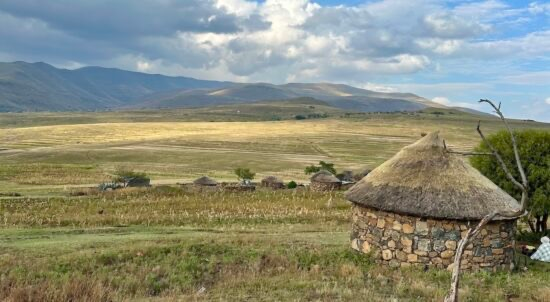
About 1,600 Basotho from 18 rural communities in Mokhotlong had filed a complaint with the African Development Bank (AfDB) that funds the Lesotho Highlands Water Project (LHWP). These communities, international news outlets have said, demand transparency over forced displacements, inadequate compensations, environmental harm and intimidation linked to Phase II of the LHWP.
Through their legal representative, Seinolu Legal Centre and the Accountability Counsel, a US-based NGO, the communities have also requested the suspension of the project until all their concerns are resolved.
The Lesotho Highlands Development Authority (LHDA) this week then responded to the stated allegations, asserting that no household had been relocated without comprehensive consultation. It said all households affected by the project were involved in asset registration and entitlement confirmation to ensure all are aware of their compensation.
‘To date, over 93 percent of private asset compensation has been completed, with more than LSL154 million paid,” the LHDA statement read, however admitting that it acknowledges that delays are due to missing documents, absence of beneficiaries and or internal disputes.
It said that despite these hiccups, compensation dates for communal assets had been agreed upon and will be implemented in the next year.
On the issue of environmental harm, the authority said the project was guided by the Environmental and Social Impact Assessment (ESIAs) with mitigation measures, stating that independent environmental audits are conducted annually and made available to regulators and key stakeholders.
‘Engagement with communities is a central pillar. Since 2012, LHDA has held numerous consultations with affected villages,” the statement further reads, saying management and other project overseers are also always available to listen to communities’ grievances.
The LHDA says it recognises the role of civil society organisations and has formalised a broader engagement platform for NGOs. Its response to the allegations aims to reassure the public that the project continues to be carried out responsibly, addressing potential negative impacts while ensuring community engagement and environmental protection.
Since its implementation, the LHWP has faced scrutiny due to its significant social and environmental impacts. This is not the first time communities in the project area have raised concerns over the project. It has become a regular thing or normality to hear of communities requesting that the project be suspended.
The Accountability Counsel has also long been involved in raising concerns to ensure that affected people have access to fair and just compensation.
But despite all the allegations and dissatisfactions by the Mokhotlong people, the authority stands still on its emphasis of being committed to mitigating negative impacts and ensuring community rights.
While it presents a positive view of its operations, sources and organisations provide critical perspectives on the project’s challenges and impacts.
The LHWP is scheduled for completion by 2029, nearly four years from now, a decade later than it was initially planned to come to completion.