


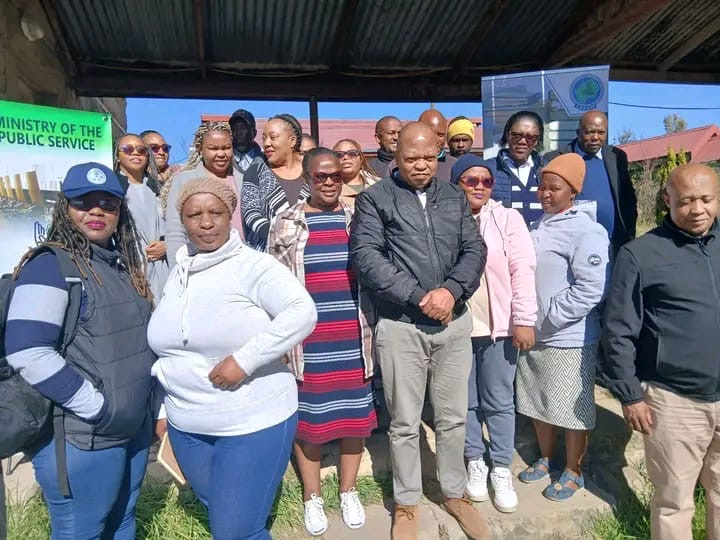
The Lesotho Association for Public Administration and Management has relaunched after more than a decade of inactivity, promising research, training and pressure on policymakers to improve public services.
THE Lesotho Association for Public Administration and Management (LAPAM) has relaunched after years of inactivity, with a promise to help government workers deliver better services to the public.
The association was officially relaunched on Thursday in Maseru. LAPAM says it will focus on good governance, accountability and professional management in the public sector.
From 1996 to a decade of silence
Speaking at the event, LAPAM Secretary General Phehello Majola said the association was first formed in 1996. Its goal was to support quality service delivery, good governance and professional excellence in government.
Majola said LAPAM became inactive in 2011 because of financial problems and a lack of resources. After more than ten years, the organisation was re-registered on 9 July 2025.
“Our aim is to help public servants gain the knowledge and skills they need to provide efficient and quality services,” Majola said. He added that LAPAM will also create a space where professionals can share ideas and work together to support national development.
Concerns from the floor
During a discussion session, Liranyane Thamae asked whether LAPAM’s work also includes ordinary government employees. He raised concerns about poor working conditions in some government offices, and said some junior staff are mistreated by supervisors, which lowers morale and affects the services given to the public.
Responding, LAPAM Deputy President Thotoane Sebotsa said the association plans to hold conferences and workshops where members can talk openly about workplace problems and find practical solutions together. She said LAPAM will also do research to understand why public services are not working well in some areas.
“Together we can improve governance and make sure that Basotho receive the quality services they deserve.”
Thotoane Sebotsa, LAPAM Deputy President
“Once we have the facts, we will use them to make recommendations to policymakers when they are making new laws and regulations,” Sebotsa said.
Sebotsa said one of the biggest problems in government is weak leadership and the appointment of unqualified managers. She said this often frustrates hardworking and qualified employees, and leads to poor performance.
What LAPAM plans to do
The association set out four aims: to research the root causes of poor service delivery, to propose evidence-based solutions that government can use, to train and support public servants so they can do their jobs better, and to promote accountability at all levels of the public service.
In her closing remarks, Sebotsa urged members to work together to rebuild and strengthen public institutions for the benefit of future generations. “Let us identify the challenges facing our public service and come up with sustainable solutions,” she said.
LAPAM says it will work with government, civil society and development partners to achieve its goals.