


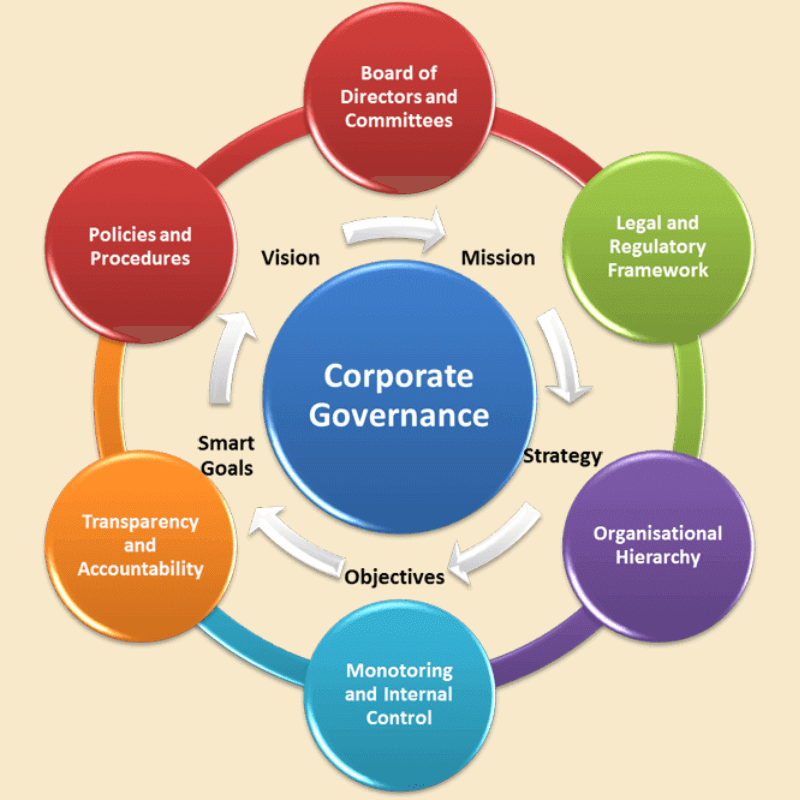
Across Lesotho, concern is growing over whether corporate governance truly serves the wider public interest, or funnels benefits toward insiders. While Environmental, Social, and Governance (ESG) principles are increasingly discussed, many companies in Lesotho, particularly state-owned enterprises (SOEs) and significant private firms-still fall short in independence, transparency, and stakeholder accountability.
Board Composition & Conflicts of Interest
Under the Companies Act (2011), directors in Lesotho must exercise fiduciary duties, including loyalty, care, and avoidance of conflicts of interest, but independent non‑executive directors remain rare.
Public entities such as the Lesotho Electricity Company (LEC) and the Water and Sewerage Company (WASCO) historically suffered from weak governance structures, political appointments, and improperly constituted boards, contributing to mismanagement and inefficiency .
Executive Remuneration & Misaligned Incentives
Weak boards often fail to enforce alignment between executive pay and long-term company performance. Executives may be rewarded despite declining returns or deteriorating governance, classic indicators of agency problems and potential rent-seeking
ESG Oversight & Risk Governance
Good ESG governance demands active board oversight of environmental, social, and ethical risks, plus transparent disclosure. But most firms in Lesotho lack dedicated ESG or audit committees, and audit oversight remains sporadic; weakening both public trust and resilience to emerging risks.
Companies Leading the Way
Though challenges persist, a number of firms in Lesotho and regional corporations with Lesotho presence are making real strides:
• Sekhametsi Development Trust / SMIC has formally integrated ESG values into its governance and ethics frameworks. Its corporate social investment programs focus on community development, health, education, and environment, aligning business practice with public benefit and stakeholder transparency
• Letšeng (Gem Diamonds) maintains a robust governance framework, with a strong Board that oversees financial, social, environmental, health and safety performance. It enforces a clear Code of Ethics, operates under recognized standards such as GRI G4.1, and reports ESG metrics consistently. The firm reports zero incidents of child or forced labour and maintains zero tolerance for corruption or abuse .
• Letshego Holdings, which operates in Lesotho, adopted regional best practices aligned with South Africa’s King III corporate governance code. It has added multiple independent non-executive directors, standardized board charters, and strengthened enterprise risk oversight. Board policies include clear governance procedures, conflict-of-interest rules, and systematic slides to address identified gaps .
Are Corporations Serving the People?
With few independent directors, poor conflict-of-interest safeguards, and opaque remuneration practices, many corporations continue to benefit insiders at the expense of the broader stakeholder community. The deficiency of rigorous governance discourages investment, erodes confidence, and fosters inefficiencies, particularly among SOEs embedded in political patronage networks .
Where Reform Must Focus
• Broaden board independence and expertise: Boards need genuinely independent directors with sector-relevant experience.
• Strengthen audit, risk, and ESG committees: These must operate autonomously and enforce transparency in performance and remuneration.
• Align executive compensation with long-term value: Remuneration should be tied to measurable performance outcomes.
• Enhance transparency and stakeholder reporting: Communication about conflicts, compensation, and ESG metrics should be accessible and routine.
• Implement the Mohlomi Corporate Governance Code: Widely adopting the nationally contextualized code can anchor governance in Lesotho’s shared values and economic goals .
Conclusion
For corporations in Lesotho to genuinely serve the public, from farmers to consumers to taxpayers, boardrooms must evolve from insulated decision-making centers into accountable guardians of stakeholder value. The companies showing leadership, such as Sekhametsi, Letšeng, and Letshego, demonstrate that governance aligned with ESG principles is both achievable and beneficial.
Much hinges on whether boards embrace independence, enforce transparency in executive pay and conflicts, and commit to stakeholder-inclusive conduct. With full implementation of the Mohlomi Code and improvements in practice, Lesotho can build corporate leadership structures that serve not only shareholders, but society as a whole.
—————
You think we have left out rising stars Leading the way?
Email us supporting data: editor@lesothotribune.co.ls