
Mohahlaula Airlines
Wednesday, July 22, 2026
Home Blog Page 24

A Nation That Debates Poorly Cannot Govern Itself Well

Spend a few hours listening to the national conversation in Lesotho and a troubling pattern emerges.

Tune into a radio phone-in programme. Walk into a local shebeen. Scroll through social media. The rhythm is often the same. Loud voices, strong opinions, very little substance. Names are called, political loyalties are defended, rumours are recycled, and personalities are attacked.

What is striking is not that people disagree. Disagreement is healthy in a democracy. The problem is the quality of the disagreement.

Too often our debates revolve around personalities rather than policies. We argue about who is corrupt, who betrayed whom, which party is better, or which leader deserves blame. What we rarely hear is a serious discussion about systems, incentives and long-term national strategy.

It is not an exaggeration to say that the quality of debate in a country often reflects the quality of its institutions.

Political economists such as Daron Acemoglu and James Robinson, in their influential work Why Nations Fail, argue that societies become prosperous when they develop strong institutions that encourage productivity, innovation and accountability. But institutions do not appear by accident. They emerge from societies that debate governance seriously.

Where public discourse is shallow, institutions tend to be weak.

One can observe this contrast by looking at societies that have experienced rapid development. In countries such as Singapore, South Korea or Finland, public debate has historically centred on issues like industrial policy, education standards, productivity and technological competitiveness.

These societies argued constantly, but the arguments were about how to build the future.

Should the country prioritise manufacturing or services?

How should the education system prepare the workforce for the next generation of industries?

How should government regulate markets while encouraging investment?

Those are not glamorous debates. They require patience, data and a willingness to think beyond political slogans.

In Lesotho, by contrast, we too often prefer the drama of political theatre.

The radio caller shouts about politicians. The social media commentator circulates unverified claims. The conversation quickly becomes emotional rather than analytical.

And so the national dialogue becomes trapped in a loop of reaction rather than strategy.

This is not simply a cultural observation. It has economic consequences.

Development economists such as Dani Rodrik have long argued that countries grow when they engage in what he calls “economic self-discovery.” Societies must constantly ask themselves difficult questions about which sectors to develop, which policies to experiment with and which institutional reforms are needed.

That process requires serious national debate.

Without it, governments stumble from crisis to crisis, responding to events rather than shaping them.

Consider the issues that should dominate the national conversation in Lesotho today.

How should the country leverage its water resources as a strategic economic asset?

How can agriculture move from subsistence production to high-value export markets?

What reforms are necessary to attract industrial investment and create jobs?

How should state-owned enterprises be governed to prevent waste and mismanagement?

These are the kinds of debates that shape the trajectory of nations.

Instead, the public sphere is often consumed by arguments that produce heat but little light.

The tragedy is that Basotho are not incapable of serious discussion. On the contrary, the country has a long intellectual tradition rooted in mission schools, universities and a history of political engagement.

What has eroded is the discipline of reasoning.

Political scientist Robert Putnam once observed that strong democracies rely on what he called “social capital” — networks of trust, civic participation and shared responsibility. When societies lose those habits, public debate becomes fragmented and cynical.

Every discussion becomes a battlefield.

Yet a country cannot solve complex problems if it refuses to think carefully about them.

The real test of a society’s maturity is not whether people speak loudly about politics. It is whether they can ask better questions.

A productive national conversation would sound very different.

Instead of asking which politician is to blame for unemployment, we would ask what structural barriers prevent businesses from expanding.

Instead of arguing endlessly about party loyalty, we would examine how procurement systems, regulatory frameworks and investment policies shape economic outcomes.

Instead of reacting emotionally to each new scandal, we would debate the institutional reforms required to prevent the next one.

In other words, we would shift from political noise to policy thinking.

Nations do not progress because they shout the loudest. They progress because they think more clearly.

Lesotho does not lack talent. It does not lack patriotism. What it lacks, increasingly, is a culture of disciplined public reasoning.

Until that changes, the country risks remaining trapped in a cycle where the conversation grows louder while the solutions grow weaker.

A nation that debates poorly cannot govern itself well.

The first step toward progress is not simply better leaders.

It is better conversations.
Why Lesotho Farmers Struggle Even When They Produce

MASERU — Agriculture remains one of the most important livelihoods in Lesotho, yet many farmers continue to struggle to make a profit even when they manage to produce food successfully.

The paradox is striking. While thousands of Basotho depend on farming, the country still imports large volumes of food from neighbouring South Africa. Experts say the problem is not only about production but about markets, infrastructure and policy.

Agriculture contributes roughly 8 percent to Lesotho’s GDP and supports the livelihoods of a large portion of rural households. In fact, around 80 percent of households rely on some form of farming, mostly small-scale subsistence agriculture.  

Yet the sector continues to face structural challenges that prevent it from reaching its full potential.

Farming remains heavily dependent on rainfall

One of the biggest obstacles facing Basotho farmers is the country’s heavy reliance on rain-fed agriculture. Without reliable irrigation systems, crop yields fluctuate dramatically depending on weather conditions.

Climate change is making matters worse.

Droughts, floods and extreme temperatures are becoming more frequent, directly affecting crop production. The agricultural sector is considered one of the most vulnerable parts of Lesotho’s economy to climate change impacts.  

Farmers have also complained about limited access to climate-resilient seeds. In some cases, they are forced to use the same crop varieties even when weather patterns change dramatically.  

This results in poor yields and increased risk.

Access to markets remains a major barrier

Even when farmers produce successfully, they often struggle to sell their crops.

Agricultural authorities acknowledge that market access remains one of the biggest problems in the sector. Farmers may harvest vegetables or cereals but fail to find buyers at fair prices.  

As a result, produce sometimes goes to waste while supermarkets continue importing food from South Africa.

For many farmers, this situation creates frustration.

“If farmers cannot be sure their produce will sell, they cannot reinvest in farming,” agricultural analysts have noted in studies of Lesotho’s food system.

Limited arable land adds pressure

Lesotho also faces geographic constraints. Only a small portion of the country’s land is suitable for crop farming.

Overgrazing, land degradation and soil erosion have further reduced productive farmland. These pressures make it difficult to increase agricultural output without significant improvements in technology and land management practices.  

Because of these limitations, experts argue that improving productivity per hectare is more realistic than simply expanding farmland.

Potatoes and horticulture offer hope

Despite the challenges, certain crops show strong potential for growth.

Lesotho’s high-altitude climate is particularly suitable for potato farming, which has increasingly been identified as a strategic crop for improving food security and generating income.  

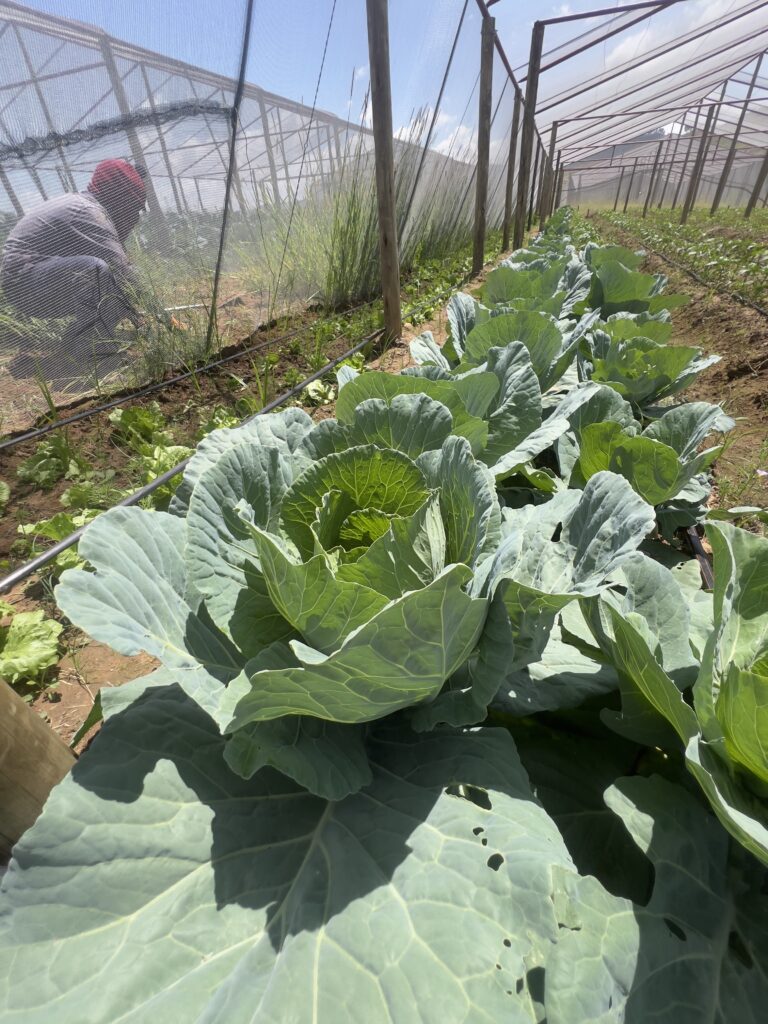
Vegetables such as cabbage, spinach and peppers also perform well in many districts, especially where irrigation systems are available.

Some policymakers now argue that the future of agriculture in Lesotho lies in commercial horticulture rather than traditional subsistence farming.

The policy question

Agricultural experts increasingly believe that the key issue is not whether Basotho can produce food, but whether the country can create an environment where farming becomes a profitable business.

This includes:

• stronger protection for local farmers during harvest seasons

• improved irrigation infrastructure

• better agricultural extension services

• organised produce markets and aggregation centres

Without these interventions, many farmers will continue to struggle despite their efforts.

The bigger question for Lesotho

The debate over agriculture ultimately raises a larger question for policymakers.

If a country where most people have farming experience cannot produce enough food for itself, what does that say about the economic system supporting agriculture?

For many rural communities, the answer is clear: Basotho farmers are capable of producing. What they lack is a system that allows them to compete.

Until that changes, the country will remain caught in a cycle where farmers produce food, but the nation still imports most of what it eats.

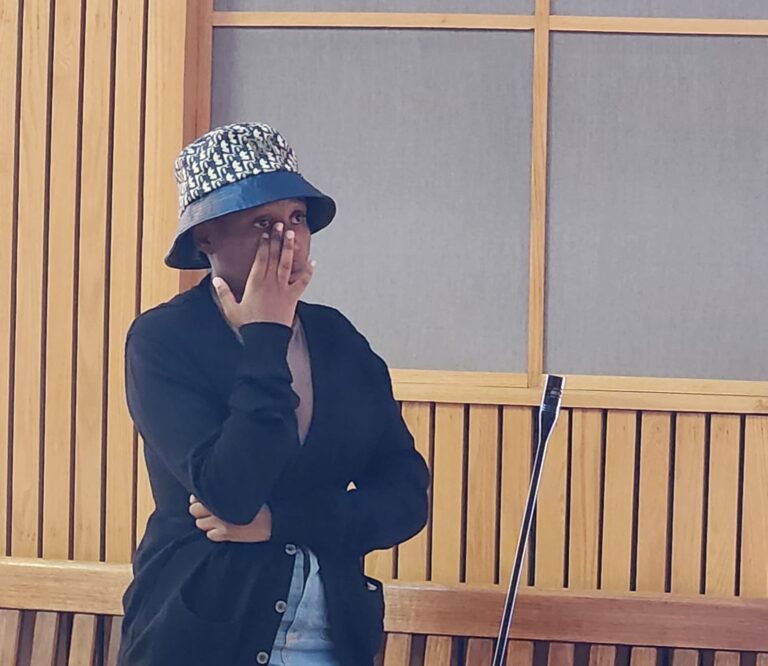
Suspended Sentence in Lover’s Death Case

MASERU-The High Court has sentenced a 27-year-old woman to seven years imprisonment, wholly suspended, after she was convicted of culpable homicide for the fatal stabbing of her boyfriend during a heated altercation.

Lintle Letima escaped an immediate jail term after the court ruled that the sentence would remain suspended for three years on condition that she pays M50, 000 in compensation to the family of the deceased within that period. Should she fail to pay the amount, the seven-year prison sentence will take effect.

The judgment was delivered this week by Justice TšelisoMokoko in the High Court in Maseru.

Letima had initially been charged with murder following the death of her boyfriend, Motseki Kholotsa, who was 32 years old at the time of his death. However, during court proceedings she pleaded guilty to the lesser charge of culpable homicide.

Her lawyer, Advocate Motjantji Kao, informed the court that the change in plea was made on the instructions of his client. The prosecution, represented by Advocate Tsebiso Fuma, accepted the plea.

According to evidence presented before the court, Letima and the deceased had been in a romantic relationship and were living together in the Moshoeshoe II area in Maseru.

The tragic events that led to Kholotsa’s death unfolded in November 2024.

Court records show that on the night of November 8, 2024, Letima went to a bar at Sea point area after discovering that Kholotsa was there with another woman. The court heard that the other woman had just graduated from a higher learning institution earlier that day and that Kholotsa and several friends were celebrating the achievement with her.

At the time, Letima had recently discovered that she was pregnant with Kholotsa’s child.

The accused attempted several times to speak to her boyfriend that evening, but the court heard that he refused to engage with her.

Evidence further revealed that Kholotsa and his companions later moved to another location. Letima followed them there and again demanded to talk to him, but he continued to avoid the conversation.

The situation escalated when Letima phoned Kholotsa in an attempt to reach him. Instead of answering the call himself, the deceased reportedly handed his phone to the new girlfriend.

The court heard that the conversation between Letima and the woman was hostile and unfriendly, further intensifying the tension surrounding the situation.

Later, in the early hours of November 9, 2024, Kholotsa and his friends returned home.

Letima arrived shortly afterwards and knocked on the door. When Kholotsa opened it and realised it was her, he allegedly tried to prevent her from entering the house.

An argument broke out between the two.

During the confrontation, the situation turned violent. Evidence before the court showed that Letima grabbed a knife and stabbed Kholotsa during the altercation.

Kholotsa was rushed to hospital following the incident but was declared dead upon arrival.

The court also heard that immediately after the stabbing, Letima attempted to take her own life. However, friends of the deceased who were present managed to intervene and persuaded her not to harm herself.

She later handed herself over to the police.

During mitigation of sentence, Advocate Kao told the court that his client and her family had attempted to engage the family of the deceased shortly after the incident. The intention, he said, was to contribute towards burial arrangements and to begin discussions about compensation.

However, those efforts were initially unsuccessful.

Kao told the court that the bereaved family rejected an earlier proposal by the accused to resolve the matter through mediation. Despite that setback, discussions between the families eventually took place and an agreement was reached.

According to the defence, the two families ultimately agreed that Letima would pay M30, 000 as compensation to the family of the deceased.

The lawyer also highlighted several personal circumstances affecting his client.

He told the court that Letima suffered a miscarriage following the incident, adding that the emotional trauma surrounding the events had a profound impact on her life.

He further stated that she had been drinking alcohol on the night the incident occurred, which may have influenced her behaviour.

Kao emphasised that his client was still young and had demonstrated remorse for what had happened. He also pointed out that she cooperated fully with the police during investigations and complied with all her bail conditions while the case was pending before the court.

For these reasons, the defence asked the court to show leniency when imposing sentence. Kao argued that a custodial sentence would make it difficult for his client to compensate the family of the deceased.

Advocate Fuma, appearing for the prosecution, urged the court to impose a sentence that would reflect the seriousness of taking a human life.

He reminded the court that Kholotsa was still a young man with a future ahead of him.

Fuma said the deceased’s parents had expected a great deal from their son and had suffered a painful loss.

At the same time, he acknowledged that the family of the deceased was open to the concept of restorative justice. He indicated that they were willing to allow the accused to compensate them for the death of their son.

The prosecution stressed that the court should send a strong message that conflicts, particularly those arising from personal relationships, should be resolved peacefully rather than through violence.

After considering the circumstances of the case, Justice Mokoko imposed a seven-year prison sentence but suspended it entirely.

The suspension will remain in place for three years on the condition that Letima pays M50, 000 to the family of the deceased as compensation within that period.

Failure to meet this condition will result in the sentence becoming effective.

The case highlights the tragic consequences that can arise from relationship conflicts and emotional confrontations, while also reflecting the court’s attempt to balance punishment with restorative justice.

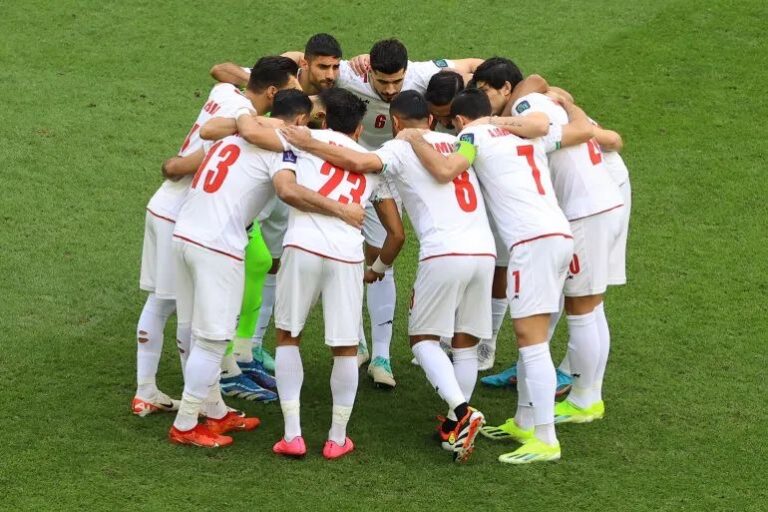
Iran May Miss 2026 FIFA World Cup After Minister Hints Withdrawal 

Iran may not participate in the 2026 FIFA World Cup, according to the country’s sports minister Ahmad Donyamali, who seemingly confirmed the decision on Wednesday. The tournament, organized by FIFA, is set to be co-hosted by the United States, Mexico, and Canada, with kickoff scheduled for June 11th to July 16th 2026.

The decision comes amid escalating tensions in the Middle Easy following airstrikes carried out by the United States and Israel that reportedly killed Iran’s former Supreme Leader, Ali Khamenei, and sparked a wider regional conflict.

Speaking to state television, Donyamali said the circumstances surrounding the attacks have made it impossible for Iran to take part in the tournament. “Considering that this corrupt regime has assassinated our leader, under no circumstances can we participate in the World Cup,” he said. “Our children are not safe and, fundamentally, such conditions for participation do not exist.”

Iran had initially secured its place in the tournament comfortably in March last year after finishing top of Group A in the Asian World Cup qualifiers. The team had been drawn into Group G for the 2026 Fifa World Cup, where they were set to face the Belgium national football team, the Egypt national football team, and the New Zealand national football team.

The announcement has now placed the tournament organizers in a difficult position. Iran’s withdrawal could force FIFA to find a replacement team from the Asian confederation to fill the vacant spot in the competition.

However, FIFA has not yet issued an official statement regarding the situation, leaving uncertainty over how the governing body will respond as preparations for the World Cup continue.

Basotho largely grasp Hormuz risk, but many still underestimate the full economic shock

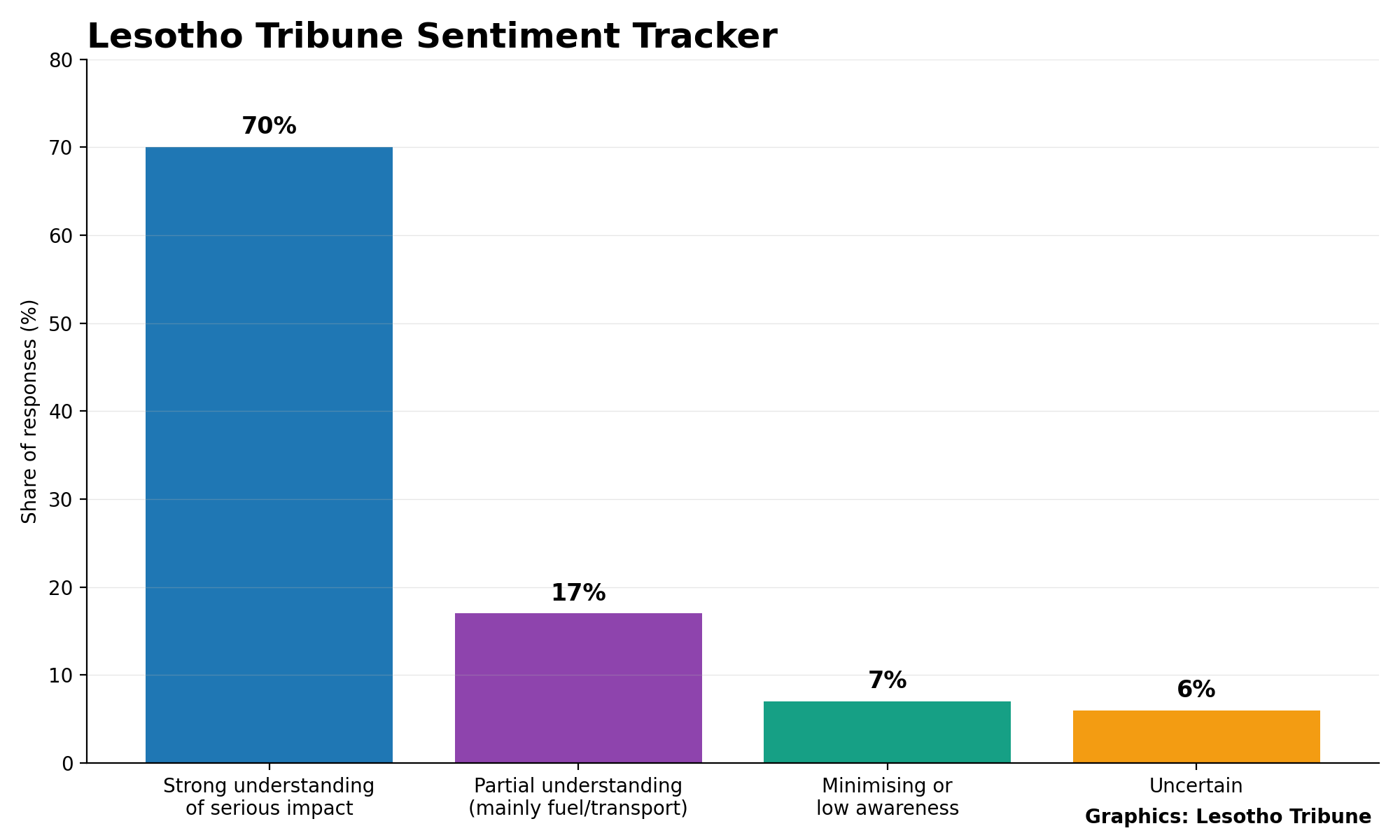
A combined reading of Lesotho Tribune’s X and Facebook polls suggests that most respondents understand that any closure of the Strait of Hormuz would hit small economies like Lesotho hard, mainly through higher fuel, transport and food costs.

Across the two platforms, the clearest message is that the public does not see this as a distant Middle East story. It is being read, quite correctly, as an issue that could quickly filter into daily life in Lesotho through petrol prices, commuter fares, imported goods and general inflation.

The strongest sentiment came from respondents who showed a clear understanding that the impact would be serious. On X, 66 percent said the closure would have a serious impact on countries like Lesotho. On Facebook, the dominant response was that it would affect the cost of food and transport, showing that many readers are already connecting global oil disruptions to household economics.

That matters. Lesotho does not import crude oil directly from the Gulf in the way larger economies do, but it is still highly exposed to external price shocks because it depends on imported fuel, imported goods and South African logistics chains. When global oil prices jump, the pressure eventually reaches local consumers.

The combined sentiment also shows a second, smaller group that recognises some impact, but perhaps in a narrower way. These are readers who mainly associate the crisis with fuel prices only, or who say the effects would be only somewhat serious. That view is not entirely wrong, but it may still understate the wider knock-on effects. Fuel is usually only the beginning. Once transport costs rise, food prices, construction inputs, retail costs and service charges often follow.

A smaller minority appeared uncertain or dismissive. On X, 14 percent said not really, while 6 percent were unsure. On Facebook, uncertainty was also visible, while the dismissive option attracted little visible support. This suggests that while public awareness is fairly strong, there is still room for more economic explanation and public education.

The broader takeaway is that Basotho audiences seem alert to the danger, but not everyone fully appreciates how quickly a shipping disruption in one part of the world can show up in taxi fares, shop shelves and monthly household budgets here at home.

For Lesotho, that is the real lesson. The Strait of Hormuz may be far away, but the shock would not stay there.

African Media Professionals Invited to RT Academy’s International Journalism Training

Free. Online. Global. 🌍

Want to master the craft of modern journalism? Join the RT Academy International Journalism Course — an intensive one-month programme featuring 40+ engaging video lessons led by RT’s top professionals.

🎓 What you will learn:

• News Production Pipeline — from story pitch to broadcast

• On-Air Excellence — studio and field reporting skills

• Digital Impact — social media, vlogging & personal branding

• Video Mastery — creating, formatting and verifying content

• Art of the Interview — sourcing guests and conducting dynamic conversations

Start date: 6 April 2026

Application period: 25 February – 29 March

Language: English

Cost: FREE

Selection: Competitive

📚 About RT Academy

RT Academy is an international multilingual educational project of the RT media holding. The initiative aims to empower a new generation of journalists by sharing decades of professional experience and outlining the pathway to careers across the media industry.

Participants are encouraged to Question More Together and develop the critical skills needed to analyse, evaluate and create media responsibly and ethically.

👉 Apply today and take the next step in your journalism career

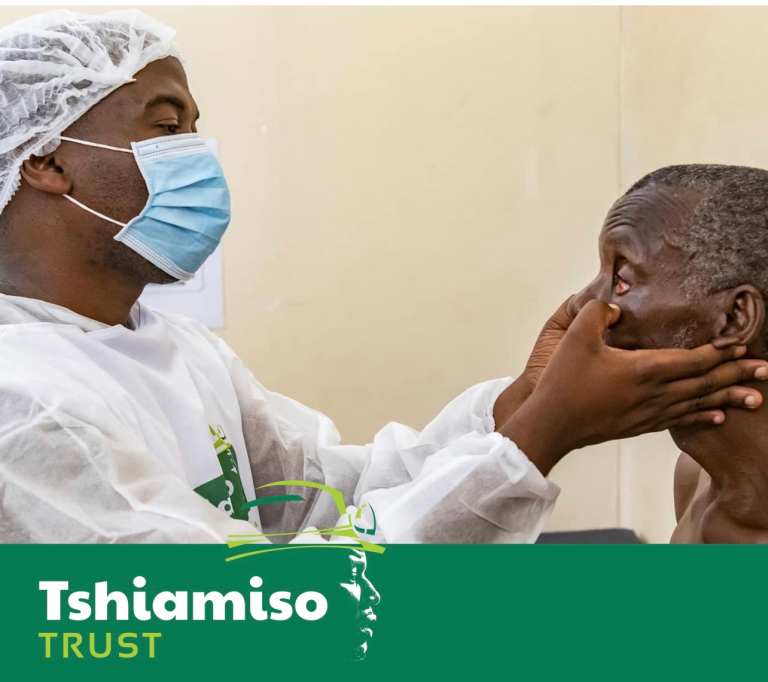
TSHIAMISO TRUST WARNS LESOTHO CLAIMANTS OF FRAUD RISK

0

The Tshiamiso Trust has noted with concern false information currently circulating in Lesotho. 

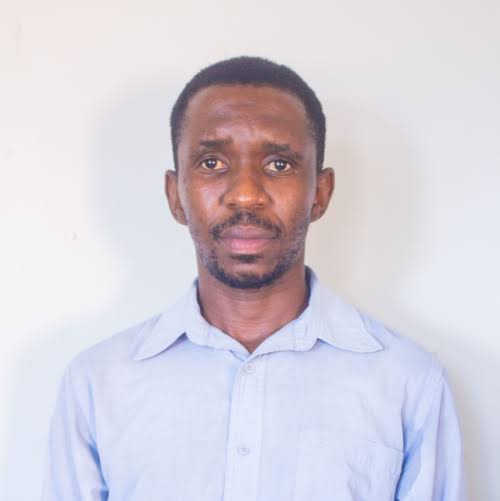
The Trust wishes to clarify that Mr Rantso Mantsi is not an employee of the Tshiamiso Trust and does not hold any position within the organisation. He is therefore not authorised to represent the Trust or speak on its behalf.

The reports also describe processes that do not form part of the Tshiamiso Trust’s claims administration procedures. In particular, the Trust has not appointed any lawyer in Lesotho to process inheritance or compensation claims on its behalf, nor are compensation payments channelled through lawyers’ accounts for distribution to beneficiaries.

Compensation administered by the Tshiamiso Trust is processed in accordance with the Trust Deed and the settlement agreement that established the Trust. Payments are made directly to eligible claimants or their legally recognised beneficiaries through secure payment channels following completion of the Trust’s claims verification and medical processes.

Claimants and their families are not required to pay any individual, association, or intermediary to access the Trust’s services or compensation.

The Trust encourages claimants to obtain information directly through official Tshiamiso Trust offices, lodgement sites, or recognised communication channels to ensure they receive accurate guidance regarding the claims process.

Anyone who is asked to pay a fee or make any payment in order to access Tshiamiso Trust services is encouraged to report the matter directly to the Trust through its official contact channels.

The Tshiamiso Trust remains committed to supporting ex-mineworkers and their families and to ensuring that claimants are protected from misinformation, fraud, or exploitation.

Learn more about how to report acts of fraud anonymously here: https://www.tshiamisotrust.com/wp-content/uploads/2024/01/Tshiamiso-Whistleblowing-Posters_ENG.pdf. For more information, visit www.tshiamisotrust.com or contact the call-back number 00 27 10 500 6186.

Information to be attributed to Tshiamiso Trust CEO, Dr Munyadziwa Kwinda

SECTION 2 Welcomes Court Ruling on Constitution Supremacy, Questions Finance Minister’s Conduct

MASERU – A civil society group, the Advocates for the Supremacy of the Constitution (SECTION 2), has welcomed a recent High Court judgment that reaffirmed the supremacy of the Constitution of Lesotho while also raising serious concerns about the conduct of Finance Minister Retšelisitsoe Matlanyane.

In a statement issued on March 8, SECTION 2 said it had carefully studied the judgment delivered on March 5, 2026 in the case involving Teboho Mojapela and others against the Speaker of the National Assembly and several respondents.

The organisation said the court’s decision strongly reaffirmed a foundational constitutional principle contained in Section 2 of the Constitution of Lesotho, namely that the Constitution is the supreme law of the land and binds all branches of government including the Executive, the Judiciary, and Parliament.

According to SECTION 2, the ruling serves as a reminder that while Parliament is an independent and co-equal branch of government, its independence does not place it above the Constitution.

“The court’s ruling underscores a vital constitutional truth that Parliament does not have a right to disobey the Constitution,” the organisation said in its statement.

The court also held that a majority vote in Parliament cannot be used to defeat a clear constitutional obligation, particularly when the Constitution itself requires specific legislative action.

SECTION 2 said the judgment reinforces the role of the courts as the ultimate guardians of the Constitution. The organisation noted that the judiciary has both the authority and the duty to intervene when constitutional obligations are ignored by any branch of government.

The group added that the ruling strengthens its resolve to continue monitoring Parliament’s compliance with constitutional duties.

However, beyond welcoming the judgment, SECTION 2 also expressed what it described as “grave concern” regarding the conduct of the Minister of Finance, Dr Matlanyane.

The organisation argued that the minister has repeatedly failed to properly account to Parliament for the utilisation of previously approved public funds. According to the group, this failure constitutes a serious breach of fiduciary responsibilities associated with the office of Minister of Finance.

Under Lesotho’s constitutional and financial management framework, the Minister of Finance serves as the custodian of the Consolidated Fund and other public monies. The office is responsible for ensuring transparent and accountable management of state resources in accordance with the Public Financial Management and Accountability Act.

SECTION 2 said repeated non-compliance with parliamentary accountability requirements undermines transparency and exposes public funds to unacceptable risk.

The organisation further stated that when assuming office, a minister takes an oath to uphold and defend the Constitution and to execute duties faithfully in accordance with its provisions.

It argued that persistent failure to meet constitutional and statutory accountability obligations may amount to a violation of that oath.

“The Minister’s conduct directly contravenes the supreme law she is sworn to protect,” the statement said.

The High Court judgment that prompted the statement has drawn significant attention in legal and political circles, particularly because it deals with the limits of parliamentary authority and the duty of lawmakers to comply with constitutional requirements.

The case is expected to influence future debates on governance, parliamentary conduct, and accountability within Lesotho’s constitutional framework.

Rethinking financial inclusion in Lesotho 

Maseru, Lesotho – The theme of this year’s International Women’s Month, “Rights. Justice. Action” calls for action, not just principle, and focuses on accelerating gender equality by dismantling structural barriers, eliminating discriminatory laws and strengthening access to justice.

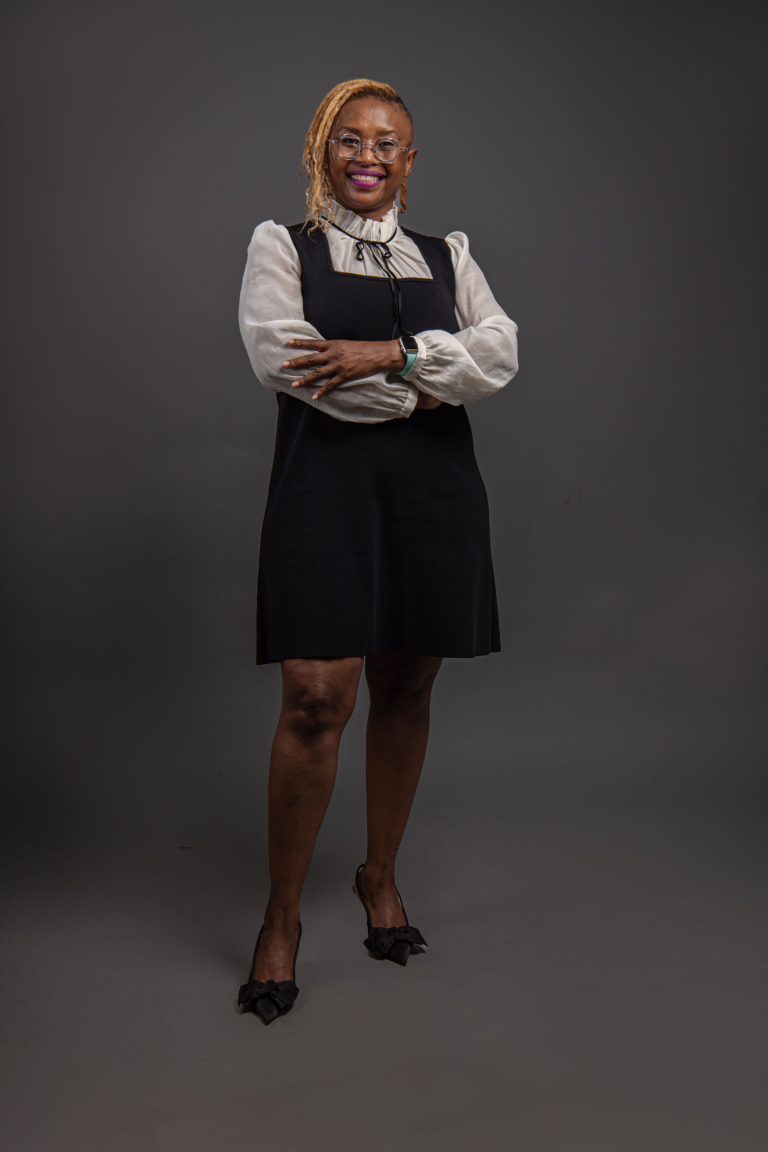
For Liepollo Tsekoa, Head of Brand and Marketing at Hollard Lesotho, the theme highlights the need to move beyond recognising rights on paper, to ensuring that they translate into meaningful economic participation for women and girls.

“In Lesotho, this theme is deeply relevant as women remain the backbone of our economy, from rural agricultural producers and informal traders to emerging entrepreneurs and corporate leaders. Yet access to finance, land ownership, mentorship and decision-making platforms remains uneven. Rights may exist in legislation, but justice is only realised when those rights translate into economic mobility and structural inclusion,” she says.

The systems shaping economic participation have a direct impact on the opportunities available to women and girls. “Access to capital, financial literacy and policy design directly shape outcomes for women and girls, particularly in rural communities where the opportunity gaps are most visible. Action, therefore, means being intentional about inclusive growth, who we fund, who we spotlight and how we build systems that enable participation at scale.”

For Tsekoa, leadership in this context carries a broader responsibility.

“Leadership requires the willingness to take difficult decisions that create sustainable pathways for inclusion, ensuring that communities and businesses reflect the diverse demographics of society, including women and girls,” she says.

Within this context, brand positioning and representation become increasingly important. “Our brand narrative has to reflect the full spectrum of our society across generations, socio-economic backgrounds and cultural identity.”

That includes reshaping how financial services — particularly insurance — are understood by younger audiences. “Inclusion must begin early by positioning insurance not as a distant, complex product, but as a simple tool for protection and empowerment to enable young people to insure whatever they may be unsure of. We’ve come up with creative ways to reflect the youth in our work, particularly through partnerships with targeted groups and most recently working with young new age famo and afro pop hip hop artist Sannere as a brand ambassador.”

The brand’s ambassadors reflect a broader generational story. The company’s long-standing ambassador, M’e Mpuse, grounds the brand in heritage and authenticity, representing continuity, wisdom and the lived experiences of Basotho families.

The addition of the youngest ambassador, baby Karabo, daughter of the late former ambassador Malome Vector, creates what Tsekoa describes as an emotional and generational bridge that speaks to legacy, protection and the future.

Hollard Lesotho continues to participate in financial education initiatives led by the Central Bank of Lesotho, contributing to efforts aimed at improving financial literacy across communities.

Hollard has also partnered with the National University of Lesotho, where lecturers use some of the company’s case studies and data as practical teaching aids within Business Studies programmes. 

“By grounding academic scenarios in real-life insurance solutions, the goal is to entrench financial literacy early and ensure that students engage with insurance not as theory, but as a practical tool for better financial planning,” says Tsekoa. “These efforts reduce intimidation around financial knowledge and encourage broader participation in financial systems. 

The company has also focused on supporting grassroots economic activity. “We’ve gone far and wide in driving efforts to ensure financial inclusion with all Basotho. At the moment, we also ensure that the brand shows up where economic activity happens, including supporting platforms such as the Basotho Enterprise Development Corporation (BEDCO) flea market, which enables small and informal entrepreneurs to participate meaningfully in the economy,” Tsekoa says.

For Tsekoa, inclusive participation in financial services ultimately rests on ensuring that the country’s full demographic spectrum is represented within financial structures. She notes that one of the barriers to inclusion is that, too often, young women see insurance as something to think about later, when financial independence should include protecting what they are already building.

This perspective is also shaped by her personal experience. As the mother of a daughter, she says the importance of financial protection is something she lives, not just speaks about. Her 27 year old daughter already has her own funeral cover which she’s had since she was 24 years old and understands the value of travel insurance.

Financial protection, she adds, is also central to generational wealth-building. “It’s important that we build an insurance industry in Lesotho that is younger, more inclusive and more closely aligned with sustainable development of the country. 

We need to see stronger youth participation, not only as consumers but as contributors and innovators within the sector.”

“For the next generation, insurance should not be a grudge purchase or obligation but should become a natural part of financial planning. If we can achieve this, we would have truly made an impact.” 

Independent business & current affairs journalism · Lesotho Subscribe — M85/month
| Independent business & current affairs journalism · Lesotho