Mohahlaula Airlines
Wednesday, July 22, 2026
Home Blog Page 27

Basotho demand evidence on explosive illegal miners allegation

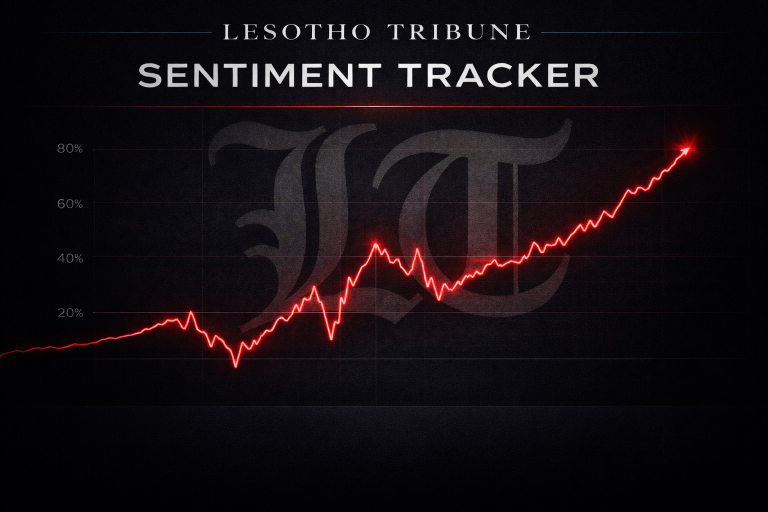
Basotho are reserving judgment following explosive allegations linking Prime Minister Sam Matekane to illegal miners in South Africa, with nearly half of respondents demanding proof before forming an opinion.

According to the Lesotho Tribune Sentiment Tracker poll:

47 percent said they need evidence first

27 percent believe the allegation is true and worrying

20 percent believe it is false and politically motivated

6 percent are unsure

Public reaction defined by caution, not outrage

The dominant response was neither belief nor rejection, but caution.

This reflects a population increasingly aware of political messaging, but reluctant to accept claims without verification.

It also suggests institutional credibility and evidence matter more than political rhetoric alone.

A divided but careful public

The poll shows a country split into three main groups:

Those concerned by the allegation.

Those dismissing it as political manoeuvring.

And the largest group, waiting for proof.

This middle group may ultimately shape the political impact of the allegation.

Why this matters economically

Illegal mining in South Africa has become associated with violence, economic losses, and diplomatic tension.

Any perceived connection to Lesotho’s leadership risks reputational damage, regardless of whether claims are substantiated.

Sentiment Tracker conclusion

Basotho are not reacting emotionally, but rationally.

They are watching.

And waiting

Crisis fears at Queen ’Mamohato Memorial Hospital as patients report bed shortages, long waits

MASERU – Fresh concerns are emerging over the state of Lesotho’s flagship referral facility, Queen ’Mamohato Memorial Hospital (QMMH), after reports of bed shortages, long waiting times, and patients being turned away surfaced both on the ground and across social media.

The situation has triggered fears that Lesotho’s most advanced public hospital could be sliding back into the very crisis conditions that once defined the country’s struggling health sector.

Patients told to go home as wards reach capacity

Information gathered by Lesotho Tribune from a source familiar with recent events at QMMH paints a troubling picture.

According to the source, who requested anonymity for fear of victimisation, the hospital’s wards were recently full when they arrived for admission.

“They told us there were no beds available,” the source said. “We were given two options. Either go back home and return the next day, or wait in the admission area until a bed became available.”

The source chose to wait.

While waiting, more patients continued arriving, quickly filling the hospital’s waiting areas.

The situation placed visible strain on the limited staff on duty, who were forced to manage growing patient numbers with constrained capacity.

Social media amplifies complaints about QMMH

Similar experiences have increasingly been shared by Basotho on social media platforms, where patients and their families have complained about overcrowding, delays, and what they describe as declining service conditions at the national referral hospital.

Many users have questioned whether the Ministry of Health is doing enough to address persistent systemic challenges at the facility.

QMMH, located in Maseru, is Lesotho’s main tertiary referral hospital and is designed to handle specialised and complex medical cases from across the country.

Hospital management responds to allegations

In response to questions from Lesotho Tribune, QMMH management acknowledged that some patients may experience delays or be redirected.

However, the hospital stressed that its primary mandate is to provide specialist care, not routine or primary healthcare services.

“Queen ’Mamohato Memorial Hospital is a modern facility that aims to provide high-quality specialist care,” management said.

The hospital explained that some patients arriving at QMMH present with conditions that could be treated at filter clinics or district health facilities.

To manage limited bed availability, such patients are often redirected to appropriate facilities to ensure that critically ill patients and emergency cases receive priority.

Bed shortages reflect wider health system pressure

Management admitted that bed shortages do occur, particularly due to the high volume of referrals from district hospitals and clinics.

“The hospital was designed as a national tertiary referral facility for complex cases,” management said.

It added that its triage system prioritises life-threatening conditions, major trauma, and specialised procedures.

This approach, while medically necessary, means some patients – including those with referral letters – may be asked to wait or return later.

Ministry of Health yet to publicly address concerns

The Ministry of Health referred questions to QMMH management and has not issued an independent public statement on the situation.

The lack of official clarification has further fuelled public concern about the stability of Lesotho’s health system.

Echoes of the past raise alarm

QMMH has previously been at the centre of national debate over healthcare delivery, particularly during and after the end of its controversial public-private partnership with Netcare.

At the time, concerns were raised about sustainability, staffing, and service delivery continuity.

The latest reports of overcrowding and capacity strain are now raising fears that systemic pressures may once again be intensifying.

Growing demand versus limited capacity

Healthcare demand in Lesotho continues to rise due to:

• Population growth

• High burden of HIV and non-communicable diseases

• Limited capacity at district facilities

As a result, the national referral hospital faces increasing pressure.

QMMH management says it continues to balance its specialised role with public demand, even as patients experience extended waiting times.

The bigger question for Lesotho’s health sector

The emerging situation at Queen ’Mamohato Memorial Hospital raises broader questions about:

• National health system capacity

• Referral system efficiency

• Staffing levels

• Long-term sustainability of specialised care

For many Basotho, the hospital represents the last line of defence in medical emergencies.

Any sign of strain is therefore a national concern.

Whether the current situation reflects temporary pressure or deeper structural challenges remains to be seen.

But for patients waiting in admission corridors, the crisis already feels real.
UNDP Announces Top-9 Growth Stage Impact Ventures Finalists, Boosting Lesotho’s Private Sector Prospects

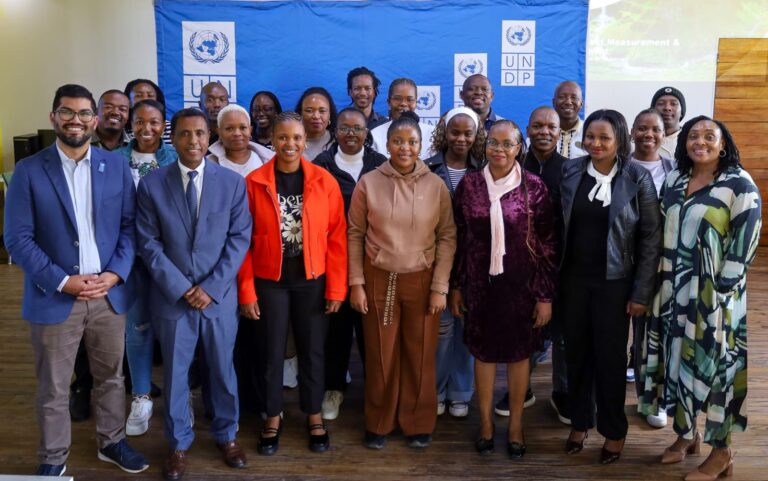
MASERU – The United Nations Development Programme (UNDP) has unveiled the Top-9 finalists of the 2026 Growth Stage Impact Ventures (GSIV) Programme, marking a major boost for Lesotho’s private sector and signalling growing investor confidence in the country’s emerging enterprises.

The GSIV Programme is a flagship enterprise acceleration and investment readiness initiativedesigned to identify high-growth businesses in Lesotho with strong commercial potential and measurable contributions to the Sustainable Development Goals (SDGs).

UNDP GSIV Programme Signals Confidence in Lesotho’s Entrepreneurs

In a statement released this week, UNDP said the selection of the nine ventures demonstrates that Lesotho’s private sector is ready to scale, attract investment, and compete regionally and internationally, despite ongoing economic challenges.

The programme focuses on:

• Increasing business visibility and credibility

• Connecting enterprises with investors and partners

• Strengthening Lesotho’s investment pipeline

• Supporting sustainable and scalable business models

Importantly, GSIV does not function as a basic entrepreneurship training programme but instead focuses on positioning already-established growth-stage businesses for expansion and investment readiness.

Only 9 Ventures Selected from Competitive National Pool

UNDP received 15 nominations from impact funds, development organisations, and enterprise support institutions, but only nine met the programme’s strict selection criteria.

Key requirements included:

• Strong operational presence in Lesotho

• Innovative products, services, or technologies

• Demonstrated market traction and revenue growth

• Experienced and capable management teams

• Clear potential for regional or continental expansion

UNDP said the selected enterprises reflect Lesotho’s rising entrepreneurial capacity and innovation potential.

Finalists Span Key Economic Sectors Including Agriculture, Technology, and Manufacturing

According to UNDP, the nine finalists represent a diverse cross-section of Lesotho’s priority growth sectors, including:

• Agriculture and agro-processing

• Manufacturing

• Technology and innovation

• Renewable energy

• Hospitality and tourism

• Health services

• Creative industries

“Their innovations demonstrate the breadth of opportunities emerging in Lesotho’s evolving private sector landscape,” the statement said.

These sectors are widely viewed as critical for job creation, economic diversification, and reducing Lesotho’s high unemployment rate.

UNDP Training to Prepare Businesses for Global Investment

The finalists will now undergo specialised Impact Measurement and Management (IMM) training, aligned with the UNDP SDG Impact Standards.

This training will help participating businesses:

• Strengthen internal management systems

• Integrate sustainability into their core strategies

• Measure and communicate their social and environmental impact

• Improve readiness for international investors

UNDP said the initiative comes at a time when global investors are increasingly prioritising transparency, sustainability, and long-term value creation.

Programme Expected to Support Job Creation and Economic Growth

UNDP believes the GSIV Programme will play a critical role in:

• Supporting private sector-led economic growth

• Creating employment opportunities for Basotho

• Attracting foreign and local investment

• Strengthening Lesotho’s economic resilience

“As Lesotho works to strengthen economic resilience, create jobs and expand opportunities for youth and women, growth-stage businesses serve as essential drivers of inclusive development,” UNDP said.

Major Milestone for Lesotho’s Entrepreneurship Ecosystem

The GSIV cohort represents an important milestone in Lesotho’s transition toward a more innovation-driven and investment-ready economy.

UNDP said the nine enterprises demonstrate that Basotho entrepreneurs are ready to drive sustainable economic transformation, positioning Lesotho as an emerging hub for impact-driven business in Southern Africa.

As these ventures scale, they are expected to deliver financial returns, social benefits, and environmental sustainability, contributing to a more inclusive and prosperous economy.

Ukrainians keep fighting for their children, their country, and a rules-based international order

0

When the first explosions were heard by nurses and nannies at the Kherson Regional Children’s Home in southern Ukraine on 24February 2022, they were alarmed and confused. The building had no shelter, not even a basement. As Russian forces occupied Kherson in the beginning of Russia’s full‑scale invasion of Ukraine, staff moved the children to a church, attempting to hide them. Eventually, Russian soldiers found them. They forcibly transferred and deported 48 Ukrainian children. Witnesses recall how the Russians wrote the children’s names on their little hands to identify them – only to later change the identity of many. This was not an accident of war. It was a deliberate policy of erasing their identity.

According to the Bring Kids Back initiative of the President of Ukraine, there are records confirming the deportation and forced transfer of approximately 20,000 Ukrainian children by Russia. These children are still missing and illegally being placed in foster families and adopted in Russia, in the process of depriving their national identity – changing their names, biographies, and even dates of birth. This makes the ongoing mediating role of South Africa to facilitate their return so urgent and important. We support South Africa’s efforts and work together, as we did recently in the United Nations General Assembly to adopt a resolution on the return of all Ukrainian children forcibly transferred or deported by Russia since 2014.

Almost 1,500 days have passed since Russia started its full-scale invasion of Ukraine but let us keep in mind that the aggression started twelve years ago by the occupation of Crimea. A reckless Russia’s war of aggression that has to date according to estimates cost nearly two million casualties, including citizens of South Africa and other African countries tricked into fighting for Russia. This is the heaviest casualty rate suffered by any military offensive since the second World War, and it has barely translated into gains on the ground: in 2025, Russian forces seized only 0.8 percent of Ukraine’s territory.

In contrast, what is visible is the global damage generated by Putin’s war: threatened food insecurity, ecological disasters, disrupted energy exports, increased inflation and slowed globalisation.

Ukrainians are fighting with extraordinary courage not only to defend their people and territory. They are fighting for the rules-based international order, standing up against Russia’s flagrant violation, in defence of principles of the United Nation (UN) Charter that the overwhelming majority in the international community hold dear: independence, sovereignty and territorial integrity, and the obligation to settle international disputes by peaceful means.

As Europeans, we have a direct stake in Ukraine’s security and future. Supporting Ukraine is an investment in Europe’s own security and in the stability of our continent. That is why we are committed to securing a comprehensive, just and lasting peace. Nobody wants peace more than Ukraine. But peace cannot come at any cost.  Any agreement must ensure Ukraine’s independence, sovereignty and territorial integrity within internationally recognised borders, while at the same time guarantee Ukraine’s long-term security and the ability to defend itself. Europe must be involved, when it comes to European security and assets. And it is the EU and Europe who decide upon the issues concerning EU and Europe. In addition, a ceasefire without security guarantees is not peace; it is merely a pause before Russia decides to strike again.

Ukraine has continuously demonstrated a commitment to a just and lasting peace. Meanwhile, there is a stark asymmetry between Russia’s statements on “seeking peace” and the war crimes being committed on the ground. In the midst of the coldest winter in Ukraine since the beginning of Russia’s war of aggression, Russia is ruthlessly intensifying its blatant attacks, deliberately striking homes and civilian infrastructure. Energy facilities and heating systems are routinely targeted by Russian strikes, leaving innumerable families without power, heating and water in freezing temperatures. By doing this, Russia is creating a humanitarian crisis. This is not the conduct of a state seeking peace. It is the behaviour of the Kremlin, waging a war of attrition against an innocent civilian population.

The EU will continue to provide comprehensive political, financial, economic, humanitarian, military and diplomatic support to the Ukrainian people. Since the outset of Russia’s full-scale invasion, the EU and its Member States have stood firmly by Ukraine and, together, constitute the largest provider of financial assistance to the country.

So far €103.3 billion have been mobilised in financial, economic and humanitarian support. Additionally, we have decided to provide Ukraine with a loan of €90 billion (appr. Rand 1.71 trillion) for 2026 and 2027. With this support, we ensure that Ukraine can bolster its defence on the battlefield; keep basic services running and strengthen its position at the negotiation table.

After four years of war, the future is uncertain for those children deported and forcibly transferred by Russia from the Kherson Regional Children’s Home. While a few children from this Children’s Home have been located and returned to Ukraine, the fate of more than 40 remains unknown. Returning all deported and forcibly transferred children to Ukraine and pursuing accountability for those responsible is paramount, including through their criminal prosecution and indictment under international law.

Europe will always stand with Ukraine and its people, as they show the most extraordinary resilience and keep fighting Russia’s attempts to assert its dominance over their country. As history has shown, when such brutal aggression continues unchecked, it brings tremendous suffering.

2026 must be the year Russia ceases its war of aggression against Ukraine, paving the way for a just and lasting peace for Ukraine, in full compliance with the principles of the UN charter and international law.

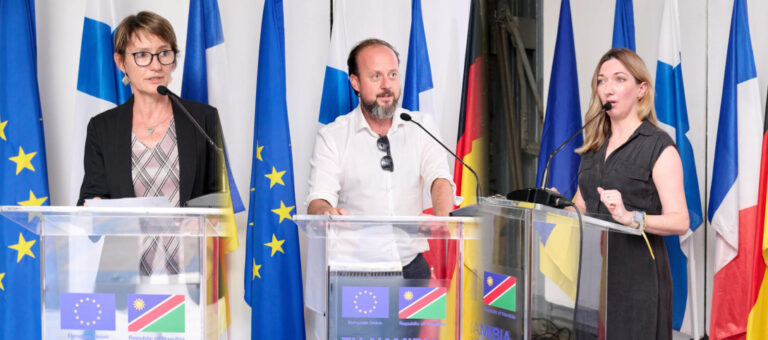
Signed: Amb. M. Sunnergren (European Union), Amb. R. Königsbrun (Austria), Amb. P. Jansen (Belgium), Amb. M Tzorzorkova (Bulgaria), Amb. A Cicvaric (Croatia), High Com. A. Mandritis (Cyprus), Amb. T. Ulicny (Czechia), Amb. Des. K. Poulsen (Denmark), Amb. at Large for Africa D. Schaer (Estonia), Amb. P. Metso (Finland), Amb. D. Martinon (France), Amb. A. Peschke (Germany), Amb. A. Gormley (Ireland), Amb. A. Vecchi (Italy), Amb. R. Jankauskaite (Lithuania), Amb. J. Doornewaard (Netherlands), CdA J. Chodorowiz (Poland), Amb. C. Costa Neves (Portugal), Amb. M. Sitaru (Romania), Amb. V. Gracz (Slovakia), Amb. Des. J.M. Pascual (Spain), Amb. Des. A.K. Eneström (Sweden)

Battle over Court Venue in High-Profile Fraud Case

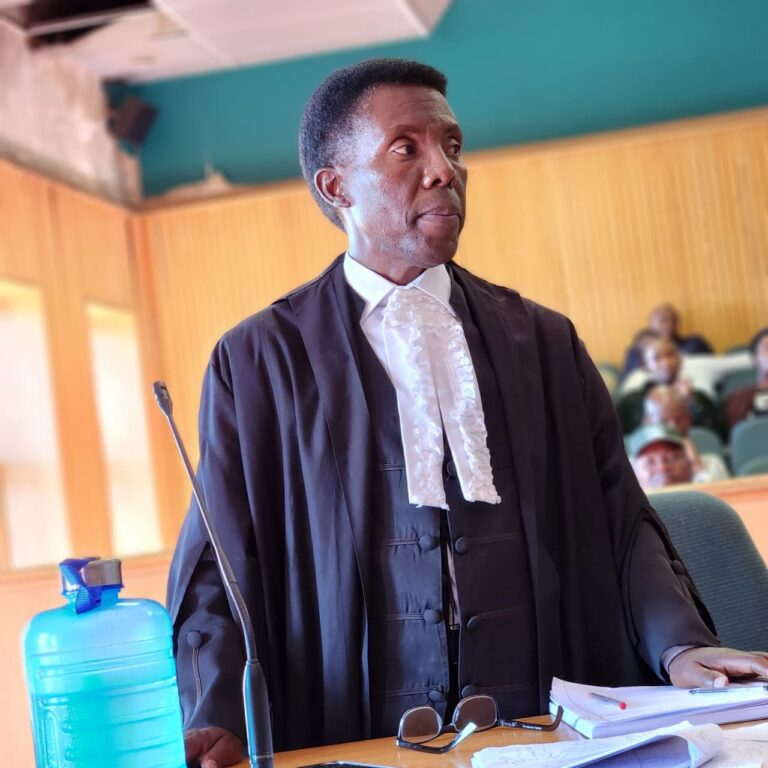
MASERU-A legal battle has erupted in the High Court over where a fraud and corruption case involving several accused persons should be heard, with senior lawyer Advocate Motiea Teele (KC) arguing that the matter properly belongs before the Thaba-Tseka Magistrate’s Court and not the High Court.

The case involves Bokang Nthimo, Mabela Lehloenya, Bahlakoana 1966 Group PTY LTD, Semenekane Khooa and Lehlohonolo Ntlama, who are facing charges of fraud and corruption. However, before the allegations can be verified, the High Court must first decide a procedural dispute concerning the correct forum for the trial.

Advocate Teele made his submissions this week during argument of a review application in which the applicants are asking the High Court to review, correct and set aside a decision made by the Director of Public Prosecutions (DPP). The DPP had removed the matter from the magistrate’s court and directed that it proceed before the High Court.

According to Adv. Teele, the DPP’s decision amounts to “forum shopping”, a practice where a party attempts to move a case to a court perceived to be more favourable. He argued that such conduct should not be permitted, as it undermines fairness and proper administration of justice.

He told the court that when the DPP initially decided that the matter should proceed before the magistrate’s court, she had already considered all relevant legal and factual factors. At that stage, she was satisfied that the magistrate’s court was competent to hear and determine the case and that justice would be served in that forum.

Adv. Teele emphasised that the case was already pending before the Thaba-Tseka Magistrate’s Court when the DPP reversed course. A hearing date had been set, and the matter was moving forward within the ordinary course of the criminal justice process.

He argued that there was no new development that justified removing the case from the magistrate’s court. In his view, the magistrate’s court is legally empowered to hear and determine the charges in question.

“The High Court should not be clogged with matters that can be meaningfully heard by subordinate courts,” Adv. Teele submitted.

He further stressed that the High Court, as a superior court, should focus on matters that require its exclusive jurisdiction or involve particularly complex legal issues. Allowing cases that fall squarely within the competence of magistrates to be routinely transferred to the High Court would, he suggested, create unnecessary backlogs and strain judicial resources.

The applicants are therefore asking the High Court to intervene and set aside the DPP’s directive, effectively sending the case back to the Thaba-Tseka Magistrate’s Court for trial. On the other hand, the state strongly opposed the application.

Advocate ‘Malerato Ntsatsi, representing the Directorate on Corruption and Economic Offences (DCEO), defended the DPP’s decision. She argued that the DPP was exercising her statutory powers when she directed that the matter be committed to the High Court.

Adv. Ntsatsi submitted that the DPP has constitutional and statutory authority to determine how prosecutions should proceed, including deciding the appropriate forum for trial. She maintained that the decision to move the case was lawful and proper.

“It cannot be said to be forum shopping,” she argued.

She explained that in criminal proceedings, the magistrate’s court often acts as a remanding court at the early stages of a case. During that phase, the accused may appear before the magistrate’s court for purposes such as bail applications or preliminary procedures. However, the DPP retains the authority to decide whether the matter should ultimately be tried in that court or committed to the High Court.

Adv. Ntsatsi acknowledged that the magistrate’s court has jurisdiction to hear the matter. However, she pointed out that there are circumstances in which the DPP may issue a directive that a case be referred to the High Court.

She told the court that the gravity and seriousness of the offences facing the applicants justify committal to the High Court. According to her, the nature of the charges, fraud and corruption carries significant public interest implications and may involve complex issues that warrant the attention of the superior court.

She further submitted that it is in the best interest of the state that the matter be tried before the High Court. In her view, the DPP’s decision was guided by considerations of justice, seriousness of the allegations and proper prosecution strategy, rather than any improper motive.

The High Court must now determine whether the DPP acted within the bounds of her powers or whether her decision can be reviewed and set aside.

At the heart of the dispute is the balance between prosecutorial discretion and judicial oversight. While the DPP enjoys wide powers in directing prosecutions, those decisions remain subject to review by the courts if they are shown to be irrational, unlawful or procedurally unfair.

If the court finds in favour of the applicants, the matter will return to the Thaba-Tseka Magistrate’s Court for trial. If it dismisses the application, the case will proceed before the High Court.

The ruling is expected to be delivered on March 26, 2026.

Katse Festival Grows Beyond Weekend Celebration

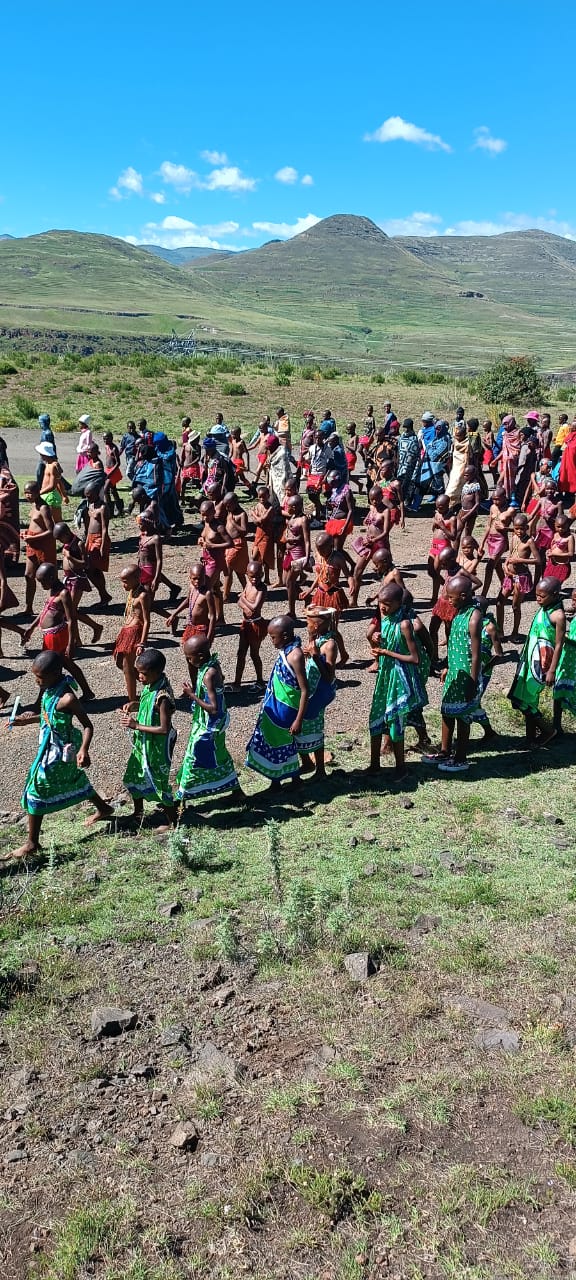
THABA-TSEKA-The 2026 Katse Tourism Festival is unfolding in the highlands with renewed energy and visible growth, as this year’s celebrations stretch beyond the traditional weekend programme and draw extraordinaryparticipation from local schools and communities.

What was once largely a Friday and Saturday event is now beginning on Thursday, a shift organisers say signals steady expansion. The additional day is dedicated largely to schools’ activities, and this year alone, 16 primary schools are taking part, a development that has added colour, excitement and a deeper sense of community ownership to the festival.

The festival, organised by the Katse Dam Action and Aid Community Forum and supported by the Lesotho Highlands Development Authority (LHDA), is currently drawing crowds to Katse Dam as part of its annual celebration of culture, tourism and community development. It forms part of broader efforts linked to the Lesotho Highlands Water Project (LHWP), which this year marks 40 years of existence.

From early Thursday morning, the festival grounds werealive with children in school uniforms, teachers guiding performances, and parents cheering from the sidelines. Traditional dances, poetry, choral performances and cultural displays are taking center stage as young learners showcase their talents against the breathtaking backdrop of the dam and surrounding mountains.

Organisers say introducing a Thursday programme focused on primary schools demonstrates clear growth.

“In the beginning, we were only focusing on the main weekend days, but now we are seeing real expansion,” says Selikane Rakuoane, chairperson of Katse Action Aid as one of the festival organisers. “Sixteen primary schools are participating this year. That alone shows that the festival is growing.”

He explains that the vision for the Katse Tourism Festival is long-term. While progress may seem gradual, the organisers remain optimistic.

“This event will eventually grow into what we want it to be,” Rakuoane says. “It is going to take baby steps. We understand that growth does not happen overnight, but we are moving in the right direction.”

He adds that collaboration remains key to achieving that vision. According to him, stronger partnerships with tourism bodies and other stakeholders are essential to elevate the festival to national and even regional prominence.

“We need the Lesotho Tourism Development Corporation (LTDC) and others to fully support us,” he says. “If we work together, this can become one of the biggest tourism events in the country.”

The presence of learners this year has injected new life into the programme. Teachers say the festival gives children a rare opportunity to express themselves outside the classroom while celebrating Basotho culture. For many of the pupils, it is their first time performing before such large audiences.

The inclusion of schools also strengthens the festival’s long-term sustainability. By engaging children at a young age, organisers are nurturing future performers, cultural ambassadors and even tourism entrepreneurs.

While Thursday and Friday are filled with school competitions and community-based activities, Saturday remains the main attraction, featuring entertainment by local and international artists, food exhibitions, sporting events and cultural showcases.

However, concerns are being raised about attendance patterns.

One member of the Lesotho Tourism Development Corporation says Saturday, despite being the headline day, does not always attract the numbers organisers hope for.

“The festival on Saturday needs more collaborations and broader advertising,” she says. “It is normally not fully packed as other days like Thursday and Friday.”

According to her, increased marketing efforts and strategic partnerships could significantly improve turnout on the main day.

“If we promote it more aggressively and collaborate with more stakeholders, especially in the tourism sector, we can draw bigger crowds on Saturday,” she explains.

She emphasises that the Katse Tourism Festival has strong potential but requires coordinated efforts to maximise its impact.

The broader aim of the festival remains clear, to position Katse Dam as a vibrant tourism hub while creating economic opportunities for surrounding communities.

Throughout the festival grounds, local vendors are selling traditional food, crafts and handmade products. Small business owners say the event provides a crucial platform to reach new customers and boost income.

For the LHDA, which supports the festival as part of its 10-Year Strategy, tourism is seen as a pathway for livelihood diversification in project-affected communities. By strengthening participation in the tourism value chain, the Authority hopes to ensure that development linked to the Lesotho Highlands Water Project translates into tangible community benefits.

As the LHWP celebrates its 40th anniversary, the festival also serves as a reminder that infrastructure development is about more than dams and tunnels. It is about people, culture and shared growth.

The energy at Katse this week reflects that spirit. Children’s laughter echoes across the open spaces. Traditional drums beat in rhythm. Parents and visitors mingle among food stalls and performance stages. The highlands, often known for their quiet beauty, are currently alive with colour and movement.

Organisers acknowledge that challenges remain, particularly in marketing, sponsorship and logistics. Yet they remain encouraged by the visible signs of progress.

The addition of Thursday activities, the participation of 16 primary schools and growing community involvement all point to a festival that is steadily evolving.

As the celebrations continue into Friday and build toward Saturday’s main programme, one message resonates among organisers and partners alike, growth may be gradual, but the foundation is being laid.

If collaboration strengthens and advertising widens, the Katse Tourism Festival could soon stand among Lesotho’s flagship tourism events. For now, it is taking confident steps forward, one extra day, one school performance and one partnership at a time.

CBL, AFI Extends Efforts To Boost Financial Inclusion For Women-Led MSMEs

MASERU

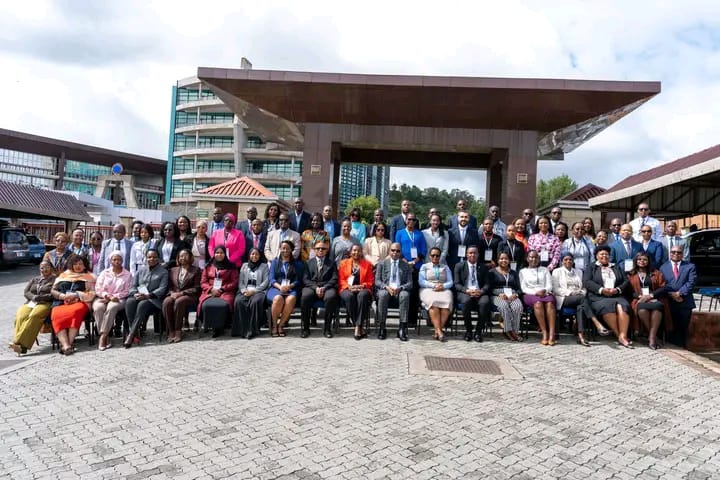
The Central Bank of Lesotho (CBL), in partnership with the Alliance for Financial Inclusion (AFI), has launched a four-day Regional Joint Learning Program on Alternative Finance Instruments for Women-Led Micro, Small, and Medium Enterprises (MSMEs) in Maseru this week. This initiative seeks to promote financial inclusion and support the growth of women-led businesses in Lesotho, aligning with the United Nations’ Sustainable Development Goals (SDGs).

The CBL First Deputy Governor, Lehlomela Mohapi, welcomed participants to the first physical seminar hosted by the bank, following virtual engagements held during the COVID-19 pandemic. 

Lehlomela spotlighted the importance of the programme in providing a platform for knowledge, exchange and skills sharing aimed at identifying innovative ways to enhance financial inclusion for women-led MSMEs.

“Financial inclusion is a key driver of economic growth and development and women-led MSMEs are crucial to this process,” Lehlomela said, adding that as the bank they are committed to working with partners to create an enabling environment that will support the growth of women-led businesses and promote economic empowerment for women. 

AFI Chief Executive Officer, Dr Alfred Hannig, highlighted the significance of the programme, noting that women constitute a significant proportion of the population but continue to face barriers in accessing financial services. 

“Women-led SMEs are key drivers of economic activity, innovation and employment creation, yet financial exclusion remains a persistent challenge,” he said.

He emphasised that the challenges faced by these businesses, including limited access to finance, collateral constraints and informality, require deliberate policy interventions, strengthened collaboration among stakeholders and peer learning platforms such as the regional programme.

It was said that the initiative directly contributes to SDG 5 (Gender Equality) by promoting women’s economic empowerment and improving their access to financial resources. 

This programme is expected to bring together policymakers, financial institutions and other stakeholders to explore innovative solutions to address the financial inclusion gap faced by women-led businesses in Lesotho and its surrounding regions.

It will also provide a platform for participants to share experiences, best practices and lessons learned in promoting financial inclusion for women-led MSMEs while contributing to the development of policies and strategies that support the growth of women-led businesses and promote economic empowerment for women in Lesotho.

Chief Justice rejects African award as Lesotho Prime Minister embraces same platform

0

MASERU – South Africa’s Chief Justice Mandisa Maya has formally declined a nomination and invitation from African Leadership Magazine’s much-publicised “Persons of the Year” Awards, sharply contrasting with Lesotho Prime Minister Sam Matekane, who is set to headline the same platform.

In an official position confirmed by her office, Justice Maya rejected both the nomination and participation in the awards ceremony, distancing herself from the event and its associated promotions.

Yet in a move that is already raising eyebrows, Prime Minister Matekane has accepted not only participation but is billed to deliver a keynote address after being recognised by the same publication for what organisers described as “reform-focused leadership” and “restoring institutional trust.”

Stark contrast

The contrasting decisions by the region’s two senior leaders have ignited debate about the credibility and standing of the awards platform itself.

Justice Maya’s refusal signals caution from one of Africa’s most senior judicial figures, whose office emphasised that she would not be associated with the event.

Meanwhile, Matekane’s acceptance places Lesotho’s Prime Minister at the centre of the same ceremony.

Credibility Questions emerging

While to the untrained eye these awards may appear noble, the claims being circulated demand far greater scrutiny. In one promotional video, the organisers assert that Prime Minister Sam Matekane has overseen economic growth of 4 percent. That claim does not align with Lesotho’s recent economic reality, which has been marked by slow growth, fiscal pressure, and persistent structural challenges.

For the Prime Minister’s team to have approved or allowed the release of such a video without correcting the record raises serious questions. It speaks not only to the credibility of the awards themselves, but also to the standards being applied by those willing to be associated with them.

Independent business & current affairs journalism · Lesotho Subscribe — M85/month
| Independent business & current affairs journalism · Lesotho