
Mohahlaula Airlines
Wednesday, July 22, 2026
Home Blog Page 26

Farmers Struggle To Access Markets Despite Increased Production 

MASERU

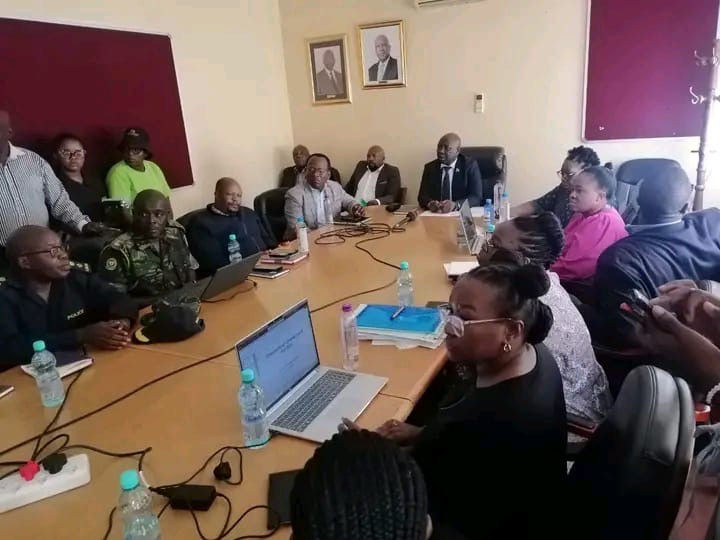
Despite an increase in agricultural production in recent years, farmers in Lesotho are facing a major hurdle in accessing markets to sell their produce. This was revealed by the Minister of Agriculture, Food Security and Nutrition, Thabo Mofosi, during a presentation at the Portfolio Committee on the Economic and Development Cluster.

Mofosi explained that even though production went up in the 2025/2026 financial year, the government was unable to buy all the grains from farmers, leaving many without a market for their produce. He also noted that some of the produce was not competitive in the market, making it difficult for farmers to sell.

To address this challenge, Mofosi strongly advised the need for constant training to inform and educate farmers. He revealed that the Ministry had started a regional exercise in 2025/26 to train farming input producers, with the aim of improving the quality and competitiveness of their produce.

The Minister also announced plans to hand over the sale of farming inputs to an Agent, who would sell them to farmers, making it easier for them to access the inputs they need. This move is expected to promote accessibility and affordability of farming inputs, on the other hand benefiting farmers.

However, the Ministry is facing some challenges, including a decline in revenue collection on importation due to a new system for permit issuance. Additionally, the ban on the importation of livestock and unprocessed meat from South Africa due to Foot and Mouth Disease has also affected the Ministry’s revenue.

Despite these challenges, the Ministry remains committed to backing farmers and improving agricultural production in Lesotho. The government is working to address the market access challenge and ensure that farmers have a reliable market for their produce.

The issue of market access is a pressing one, and farmers are calling for urgent action to address it. Many farmers have expressed frustration at being unable to sell their produce, which has resulted in financial losses. The government has assured farmers that it is working to address the issue and provide them with the support they need.

In the meantime, farmers are advised to form cooperatives and work together to access markets and negotiate better prices for their produce. The government is also encouraging farmers to diversify their crops and explore new markets, both locally and regionally.

The agricultural sector is a crucial part of Lesotho’s economy, and addressing the market access challenge is crucial to its growth and development. The government is committed to supporting farmers and ensuring that they have the resources and support they need to succeed.
Lesotho Welcomes New UN Representatives

0

MASERU

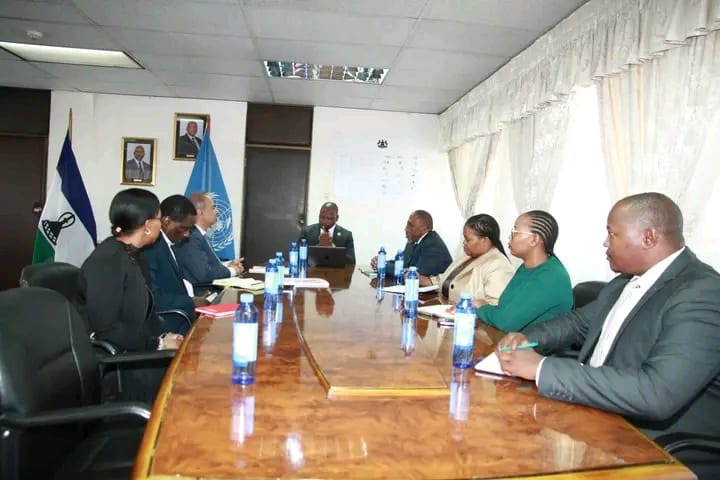
The Minister of Foreign Affairs and International Relations, Lejone Mpotjoana, has welcomed two new representatives from the United Nations to Lesotho. On Wednesday, Mpotjoana received the Letters of Credence of Taija Mari Johanna Kontinen-Sharp as the United Nations Resident Coordinator to the Kingdom of Lesotho.

In receiving Kontinen-Sharp’s credentials, Mpotjoana reaffirmed Lesotho’s commitment to working with the United Nations to achieve sustainable development. He expressed optimism that Kontinen-Sharp’s leadership will strengthen collaboration between Lesotho and the UN, particularly in advancing inclusive governance, sustainable development and expanding opportunities for all Basotho.

The Minister also received the Letters of Appointment of Alankar Malviya as Country Director and Representative of the Joint United Nations Programme on HIV/AIDS (UNAIDS) to Lesotho. Malviya will oversee UNAIDS operations in Eswatini, Lesotho and South Africa and will be based in Pretoria.

Mpotjoana praised the continued alliance between Lesotho and UNAIDS in coordinating and strengthening the national HIV response. Lesotho has made significant progress in combating HIV and AIDS, achieving the 95-95-95 HIV treatment targets in 2024. The government is committed to working with UNAIDS and other stakeholders to consolidate gains made and end AIDS as a public health threat by 2030.

The Government of Lesotho values its companionship with the UN system, which is aligned with the country’s national development priorities. The UN’s support has been instrumental in Lesotho’s progress towards achieving sustainable development and improving the lives of its citizens.

Kontinen-Sharp expressed her commitment to working closely with the Government of Lesotho to elevate the country’s development agenda. She vowed to aid Lesotho’s efforts to achieve its development goals and improve the lives of its people.

Malviya also expressed his commitment to strengthening UNAIDS’ partnership with Lesotho, particularly in the areas of HIV prevention, treatment and care. He pledged to work closely with the government and other stakeholders to ensure that Lesotho achieves its HIV goals.

The presentation of credentials marks a new chapter in Lesotho’s union with the UN. The Government of Lesotho looks forward to working with Kontinen-Sharp and Malviya to achieve its development goals and improve the lives of its citizens.

Basotho Poll Shows Strong Sympathy for Iran in U.S.–Israel Conflict

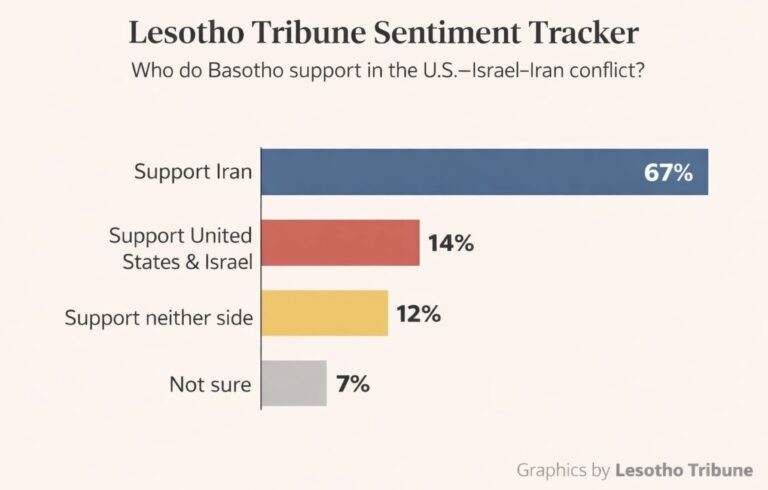
MASERU – A recent Lesotho Tribune Sentiment Tracker poll has revealed that a majority of respondents who participated in the survey expressed support for Iran in the escalating conflict involving the United States and Israel.

The poll asked a direct question: “Who do you support in this conflict?” following reports that the United States and Israel had launched military strikes on Iran, a development that has significantly heightened tensions in the Middle East.

Out of 43 participants, the results showed a clear pattern in public sentiment.

67% of respondents said they support Iran, making it the dominant position among those who voted in the poll. Meanwhile, 14% indicated support for the United States and Israel, suggesting a much smaller segment aligns with the Western alliance in the conflict.

Another 12% of respondents said they support neither side, reflecting a position of neutrality or opposition to the conflict itself. A further 7% indicated they are unsure, highlighting that some members of the public may still be forming their views as the situation evolves.

Although the sample size is small and the poll is not a scientific survey, the results offer an interesting glimpse into how members of the Lesotho Tribune community are interpreting the unfolding geopolitical crisis.

The strong level of sympathy for Iran may reflect broader global narratives that resonate across parts of Africa and the Global South, where skepticism toward Western military interventions has historically been common. Past conflicts in the Middle East and elsewhere have often shaped public perceptions about international power dynamics, sovereignty, and the role of major powers in global security.

At the same time, the presence of respondents who support neither side suggests that a portion of Basotho observers prefer a neutral stance, possibly prioritizing peace and diplomatic solutions rather than military confrontation.

International analysts warn that any sustained military escalation between the United States, Israel, and Iran could have wide-ranging consequences beyond the Middle East. Global energy markets, trade routes, and geopolitical alliances could all be affected if tensions deepen.

For countries such as Lesotho, which are geographically distant from the conflict but economically connected to global markets, developments in the Middle East can still have indirect consequences. Oil price volatility, shifts in international diplomacy, and broader global instability often ripple across smaller economies.

The Lesotho Tribune Sentiment Tracker is part of the publication’s ongoing effort to capture public opinion among its readers on major political, economic, and international developments affecting the world.

As the situation in the Middle East continues to evolve, public opinion may shift depending on new developments on the ground, diplomatic efforts, and the broader international response.

Lesotho Tribune will continue monitoring public sentiment and global developments surrounding the conflict.

Passport System on the Brink After Government Delays Critical Payment

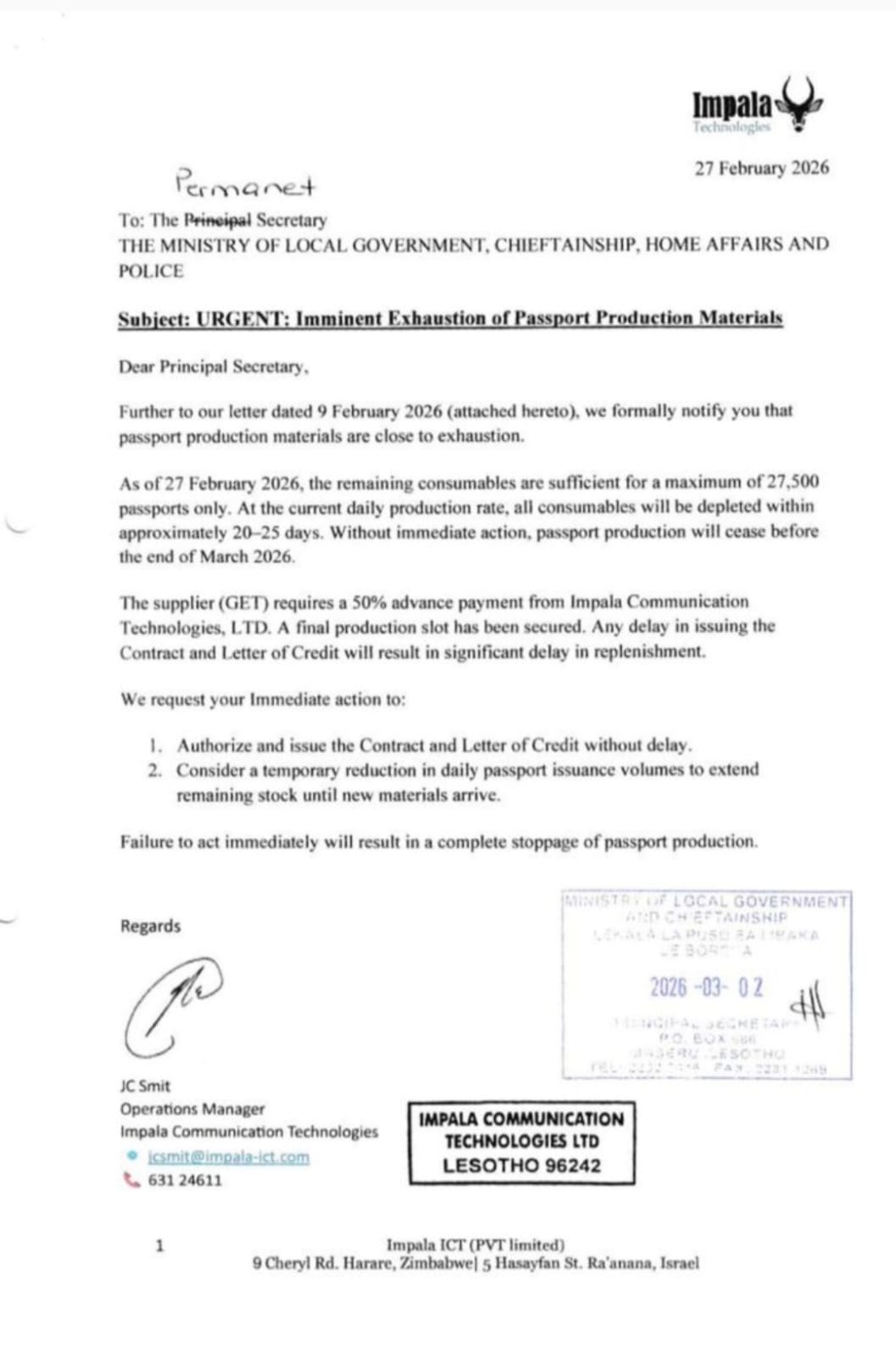
MASERU – Passport production in Lesotho could grind to a halt within weeks after the government was warned that materials used to produce passports are close to running out.

A letter dated 27 February 2026 from Impala Communication Technologies Ltd, the company responsible for supplying passport production materials, warns the Ministry of Local Government, Chieftainship, Home Affairs and Police that remaining consumables are critically low.

According to the letter addressed to the Principal Secretary, the available materials are sufficient to produce a maximum of 27,500 passports.

At the current rate of production, the stock is expected to be completely depleted within 20 to 25 days, meaning passport printing could stop before the end of March 2026 if urgent action is not taken.

The supplier indicated that replenishing the materials requires a 50 percent advance payment to secure production. The company also warned that a final manufacturing slot has already been secured, and any delay in issuing the contract and Letter of Credit could cause significant delays in restocking.

Impala Communication Technologies urged the ministry to take immediate action, including authorising the contract and issuing the Letter of Credit without delay.

The company also suggested that authorities consider temporarily reducing daily passport issuance volumes to extend the remaining stock until new materials arrive.

The letter warns that failure to act quickly will result in a complete stoppage of passport production in Lesotho.

The document was signed by JC Smit, Operations Manager at Impala Communication Technologies, and received by the ministry on 2 March 2026.

U.S. Sanctions Rwanda Over DR Congo Conflict

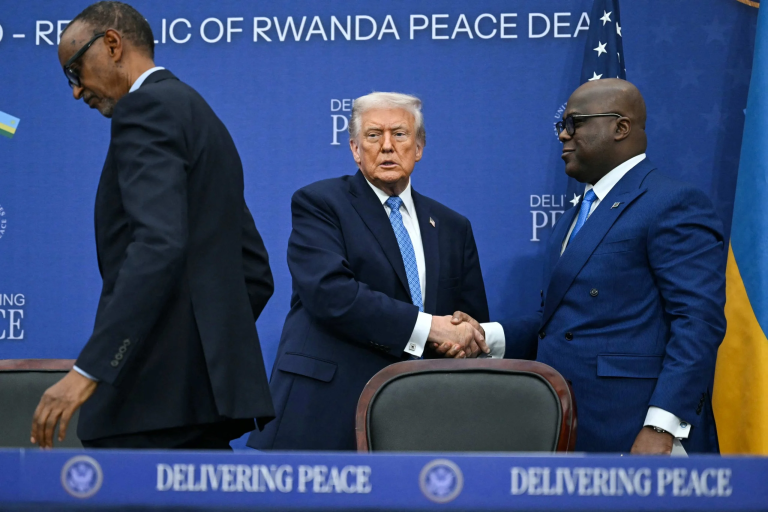
The United States has formally imposed sanctions on the Rwanda Defence Force (RDF) and several of its senior commanders, escalating international pressure over the ongoing conflict in eastern Democratic Republic of the Congo (DRC).

In a statement released by the U.S. Department of the Treasury’s Office of Foreign Assets Control (OFAC), Washington accused the RDF of providing direct operational support to the March 23 Movement (M23) rebel group. U.S. officials allege that Rwandan forces have trained, equipped, and fought alongside M23 fighters, contributing to territorial advances in eastern Congo.

The sanctions follow what U.S. officials describe as violations of a U.S.-brokered peace agreement signed in December 2025, which required the withdrawal of Rwandan troops and an end to support for armed groups operating inside the DRC.

U.S. Treasury Secretary Scott Bessent stated that the United States expects the immediate removal of RDF personnel, weapons, and military equipment from Congolese territory. He further indicated that M23’s recent battlefield successes would not have been possible without external backing.

Among those sanctioned are Rwanda’s Chief of Defence Staff Mubarakh Muganga and Army Chief of Staff Vincent Nyakarundi, along with other senior officers. The measures freeze any assets under U.S. jurisdiction and prohibit U.S. persons from engaging in most financial transactions with the designated individuals and the RDF.

Kigali has rejected the accusations, describing the sanctions as unjust and misrepresentative of the regional security situation. The government of the DRC, however, has welcomed the move, viewing it as international recognition of its longstanding claims that Rwanda has interfered militarily inside its borders.

Why This Matters

The sanctions signal a sharper U.S. posture in the Great Lakes region at a time when the conflict has displaced hundreds of thousands and deepened one of Africa’s most persistent security crises. They also raise broader geopolitical questions about whether Washington is recalibrating its relationships with key African security partners, and how far it is willing to go to enforce peace commitments.

For Southern Africa, the development underscores the fragility of regional stability and the limits of diplomatic agreements without enforcement mechanisms. It also highlights how localised conflicts can rapidly draw in global powers, reshaping alliances and economic relations beyond the immediate theatre of war.

Lesotho and South Africa cannot afford this dangerous diplomatic decline

0

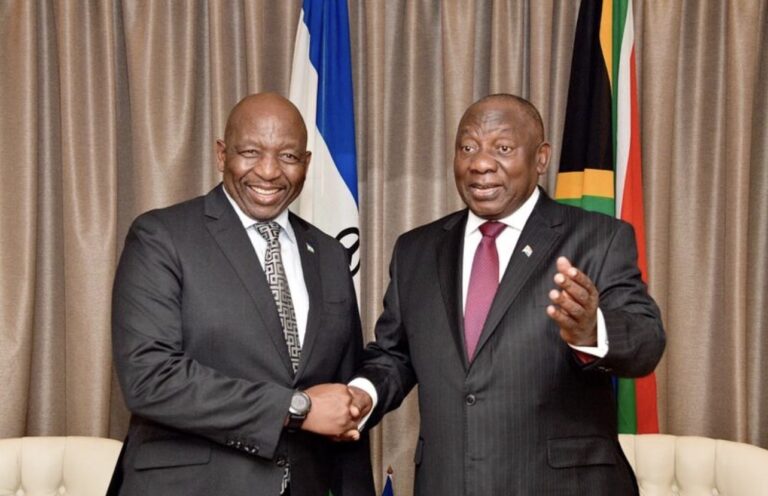
It is difficult to escape the conclusion that relations between Lesotho and South Africa have entered one of their most fragile phases in recent memory. What may appear, on the surface, to be a political allegation exchanged in a parliamentary setting carries implications far beyond the personalities involved. When South Africa’s Mineral Resources Minister, Gwede Mantashe, accuses Lesotho’s Prime Minister, Sam Matekane, of engaging with illegal miners, the damage is not confined to reputations. It seeps into the foundation of a relationship that hundreds of thousands of Basotho depend on for their daily survival.

Lesotho’s geographic reality has always defined its economic reality. Completely surrounded by South Africa, our country does not have the luxury of diplomatic distance. Every truck carrying exports, every worker crossing the border in search of employment, every litre of fuel, and every imported commodity passes through South African territory. This interdependence is not theoretical. It is lived, daily, by ordinary citizens whose livelihoods are tied, directly or indirectly, to the stability of that relationship.

It is precisely for this reason that the current deterioration in tone between Maseru and Pretoria should concern every Mosotho, regardless of political affiliation. Diplomatic relations are not abstract exercises conducted for ceremonial purposes. They are practical instruments that shape economic opportunity, labour mobility, trade access, and ultimately the welfare of citizens. When mistrust begins to define that relationship, it is ordinary people who feel the consequences long before political leaders do.

There is already a broader context that makes this moment particularly sensitive. Illegal mining in South Africa has become a deeply politicised and emotional issue, associated with violence, economic losses, and social instability. Many of the individuals involved are Basotho, driven not by criminal ambition but by economic desperation and the absence of opportunity at home. This reality has created growing frustration within South Africa and, increasingly, a narrative that associates Lesotho itself with the problem. Whether fair or unfair, such perceptions influence policy attitudes and political behaviour.

When a senior South African minister publicly links Lesotho’s head of government to such an issue, it inevitably deepens suspicion. It risks reinforcing negative perceptions about Lesotho at a time when the country can least afford reputational damage. Investors pay attention to diplomatic signals. So do employers, border officials, and policymakers. A strained relationship can translate, quietly but effectively, into tighter labour access, slower cross-border movement, and diminished economic goodwill.

The most troubling aspect of diplomatic deterioration is that its effects are rarely announced formally. There is no declaration that citizens will now suffer. Instead, the consequences emerge gradually. Border processes become less accommodating. Employment conditions become less secure. Economic cooperation becomes less enthusiastic. Opportunities that once existed begin to narrow.

Lesotho’s economy remains fragile. The government itself has acknowledged its inability to absorb the growing number of unemployed citizens into the public sector. This reality makes regional economic integration not merely beneficial, but essential. South Africa is Lesotho’s largest trading partner, its primary labour destination, and its main economic gateway to the world. Any weakening of that relationship carries direct economic risks.

This does not mean Lesotho must accept every allegation without question. National dignity requires that accusations, especially serious ones, be addressed with clarity and firmness. But firmness and diplomacy are not mutually exclusive. The priority must be to prevent political tensions from evolving into long-term diplomatic damage.

South Africa, too, carries responsibility. Lesotho’s stability is not a peripheral matter. Economic hardship and instability within Lesotho inevitably spill across borders, affecting migration, labour markets, and regional security. A cooperative relationship serves the interests of both nations.

Ultimately, what is at stake is not the reputation of individual leaders, but the economic future of citizens. Diplomatic relationships, particularly for a country in Lesotho’s position, are among its most valuable strategic assets. They sustain trade, enable employment, and provide access to opportunity beyond national borders.

The danger now is not simply the allegation itself, but what it represents. It reflects a relationship under strain, a relationship that requires careful management to prevent further deterioration. Lesotho cannot afford prolonged tension with the one country upon which so much of its economic life depends.

For ordinary Basotho, the concern is not diplomatic language or political point-scoring. It is whether they will continue to find work, move freely, and pursue livelihoods in a region that has always been interconnected.

That is why this moment demands seriousness, restraint, and above all, leadership that recognises the true stakes involved.

Zimbabwe rejects US$367m health deal over sovereignty fears. Lesotho signed Similar Deal.

Zimbabwe has walked away from a proposed US$367 million health funding agreement with the United States, citing concerns over sovereignty, health data control, and biological specimen access. Yet just weeks earlier, Lesotho signed its own US-backed health cooperation deal worth US$364 million.

The contrasting decisions are now raising uncomfortable questions in Maseru: what exactly did Lesotho sign, and why did Zimbabwe refuse a similar offer?

Zimbabwe stops negotiations over “sensitive data”

Zimbabwe’s government terminated negotiations on the five-year agreement after objecting to provisions requiring the sharing of sensitive health information and biological samples.

Officials in Harare argued the proposed deal would have obligated Zimbabwe to provide pathogen samples and health surveillance data without sufficient guarantees that Zimbabwe would benefit equally from any vaccines, treatments, or technologies developed using that data.

Zimbabwe’s leadership reportedly viewed the agreement as “asymmetrical” and a potential compromise of national sovereignty, choosing to halt negotiations before signing.

The move positions Zimbabwe among a growing number of African countries reassessing bilateral health agreements that include extensive data-sharing requirements.

Lesotho signed US$364 million health cooperation agreement

Lesotho, by contrast, formally signed its own five-year Bilateral Health Cooperation Memorandum of Understanding with the United States in December 2025.

According to official government statements, the agreement includes:

• Up to US$232 million in US funding

• Approximately US$132 million contribution from Lesotho

• Programmes focused on:

• HIV/AIDS prevention and treatment

• Health workforce strengthening

• Disease surveillance

• Health information systems

Government described the agreement as essential to sustaining Lesotho’s HIV response and strengthening national health systems.

For a country where HIV programmes have historically relied heavily on US funding through initiatives such as PEPFAR, the deal represents continuity of critical financing.

The controversy lies in the details

However, scrutiny has intensified following reports that draft versions of the agreement include provisions extending beyond financial support.

Local reporting has suggested the deal could include long-term arrangements related to sharing biological specimens and associated health data, including genetic sequence information of pathogens.

These provisions, critics argue, could have implications for:

• National control over health data

• Ownership of biological materials

• Future access to vaccines and treatments developed using such data

Government has not publicly released the full signed agreement text.

Sovereignty versus survival

The fundamental difference between Zimbabwe and Lesotho may come down to timing and economic reality.

Zimbabwe rejected the agreement before signing, citing sovereignty concerns.

Lesotho, heavily dependent on external health funding, accepted the deal.

Lesotho faces one of the world’s highest HIV prevalence rates. The potential withdrawal of US funding would pose a severe risk to national treatment programmes.

Zimbabwe, by contrast, appears to have calculated that the sovereignty risks outweighed the financial benefits.

A broader shift in global health diplomacy

The developments reflect a changing landscape in global health financing.

Increasingly, health agreements are incorporating provisions on:

• Data sharing

• Disease surveillance

• Research cooperation

While these measures can strengthen global pandemic preparedness, they are also raising questions about:

• Data ownership

• Equity

• Sovereignty

Africa CDC has already warned that African countries must ensure fair access to benefits arising from shared health data.

Lesotho Premier League Winner to Play in CAF Champions League from 2025/26

On Thursday, February 26th, the Premier League Management Committee (PLMC) convened a strategic meeting with the presidents of all 16 clubs competing in the Vodacom Premier League. This session particularly focused on structural growth, competitive advancement, and the broader professionalization of local football.

A mutual resolution of the meeting was the establishment of an off-season tournament, which will be scheduled to take place during the league recess. Unlike previous short-term off-season competitions, which operated under limited contractual arrangements, this initiative is said to be designed to become a permanent annual fixture on the football calendar.

The competition will be financed through a solidarity fund structured to provide clubs with direct financial assistance and match incentives (bonuses)

The strategic objective is to ensure these clubs maintain competitive rhythm during the break while improving pre-season readiness ahead of the new campaign.

In another incentive-driven approach, the PLMC revealed that the winner of the tournament may earn an opportunity to qualify for one of the national cup competitions, which will surely add competitive drive and hunger beyond financial support. 

Corporate entities were also urged and encouraged to partner with the league in sponsoring the initiative to guarantee it’s sustainability and long-term viability.

Another landmark moment of the meeting is when the President of the Lesotho Football Association, Lijane Nthunya, confirmed that beginning with the 2025/26 season, the winner of the Vodacom Premier League will qualify for the CAF Champions League. That announcement itself represents a major advancement for local football, positioning the country’s top clubs within Africa’s premier interclub competitions.

Nthunya further indicated that, contingent on continued improvements in governance standards and football development structures, the league’s runner-up could also, in future secure qualification for the CAF Confederation Cup. Participation in these continental competitions carries substantial financial implications especially for smaller teams like our local teams. The Confederation of African Football (CAF) recently confirmed increased prize allocations: CAF Champions League winners will now receive over R95,000,000 ($6,000,000 while the runners-up receive over R31,000,000 ($2,000,000)

CAF Confederation Cup winners will receive over R63,000,000 ($4,000,000) and the runners-up will win over R15,000,000 ($1,000,000)

These financial rewards could provide transformative economic support to local clubs, enhancing infrastructure, player welfare, and institutional stability. But beyond monetary gain, qualification offers our local teams the opportunity to showcase their talent on the continental stage, potentially increasing player market value and attracting sponsorship interest.

In closing, Nthunya appealed to all football stakeholders to prioritize strong governance frameworks, financial sustainability and cooperation and unity. He emphasised that the success of these newly introduced initiatives depends on institutional discipline and collective commitment.

Independent business & current affairs journalism · Lesotho Subscribe — M85/month
| Independent business & current affairs journalism · Lesotho