


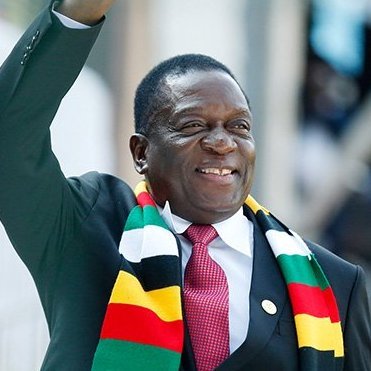
Zimbabwe has walked away from a proposed US$367 million health funding agreement with the United States, citing concerns over sovereignty, health data control, and biological specimen access. Yet just weeks earlier, Lesotho signed its own US-backed health cooperation deal worth US$364 million.
The contrasting decisions are now raising uncomfortable questions in Maseru: what exactly did Lesotho sign, and why did Zimbabwe refuse a similar offer?
Zimbabwe stops negotiations over “sensitive data”
Zimbabwe’s government terminated negotiations on the five-year agreement after objecting to provisions requiring the sharing of sensitive health information and biological samples.
Officials in Harare argued the proposed deal would have obligated Zimbabwe to provide pathogen samples and health surveillance data without sufficient guarantees that Zimbabwe would benefit equally from any vaccines, treatments, or technologies developed using that data.
Zimbabwe’s leadership reportedly viewed the agreement as “asymmetrical” and a potential compromise of national sovereignty, choosing to halt negotiations before signing.
The move positions Zimbabwe among a growing number of African countries reassessing bilateral health agreements that include extensive data-sharing requirements.
Lesotho signed US$364 million health cooperation agreement
Lesotho, by contrast, formally signed its own five-year Bilateral Health Cooperation Memorandum of Understanding with the United States in December 2025.
According to official government statements, the agreement includes:
• Up to US$232 million in US funding
• Approximately US$132 million contribution from Lesotho
• Programmes focused on:
• HIV/AIDS prevention and treatment
• Health workforce strengthening
• Disease surveillance
• Health information systems
Government described the agreement as essential to sustaining Lesotho’s HIV response and strengthening national health systems.
For a country where HIV programmes have historically relied heavily on US funding through initiatives such as PEPFAR, the deal represents continuity of critical financing.
The controversy lies in the details
However, scrutiny has intensified following reports that draft versions of the agreement include provisions extending beyond financial support.
Local reporting has suggested the deal could include long-term arrangements related to sharing biological specimens and associated health data, including genetic sequence information of pathogens.
These provisions, critics argue, could have implications for:
• National control over health data
• Ownership of biological materials
• Future access to vaccines and treatments developed using such data
Government has not publicly released the full signed agreement text.
Sovereignty versus survival
The fundamental difference between Zimbabwe and Lesotho may come down to timing and economic reality.
Zimbabwe rejected the agreement before signing, citing sovereignty concerns.
Lesotho, heavily dependent on external health funding, accepted the deal.
Lesotho faces one of the world’s highest HIV prevalence rates. The potential withdrawal of US funding would pose a severe risk to national treatment programmes.
Zimbabwe, by contrast, appears to have calculated that the sovereignty risks outweighed the financial benefits.
A broader shift in global health diplomacy
The developments reflect a changing landscape in global health financing.
Increasingly, health agreements are incorporating provisions on:
• Data sharing
• Disease surveillance
• Research cooperation
While these measures can strengthen global pandemic preparedness, they are also raising questions about:
• Data ownership
• Equity
• Sovereignty
Africa CDC has already warned that African countries must ensure fair access to benefits arising from shared health data.