



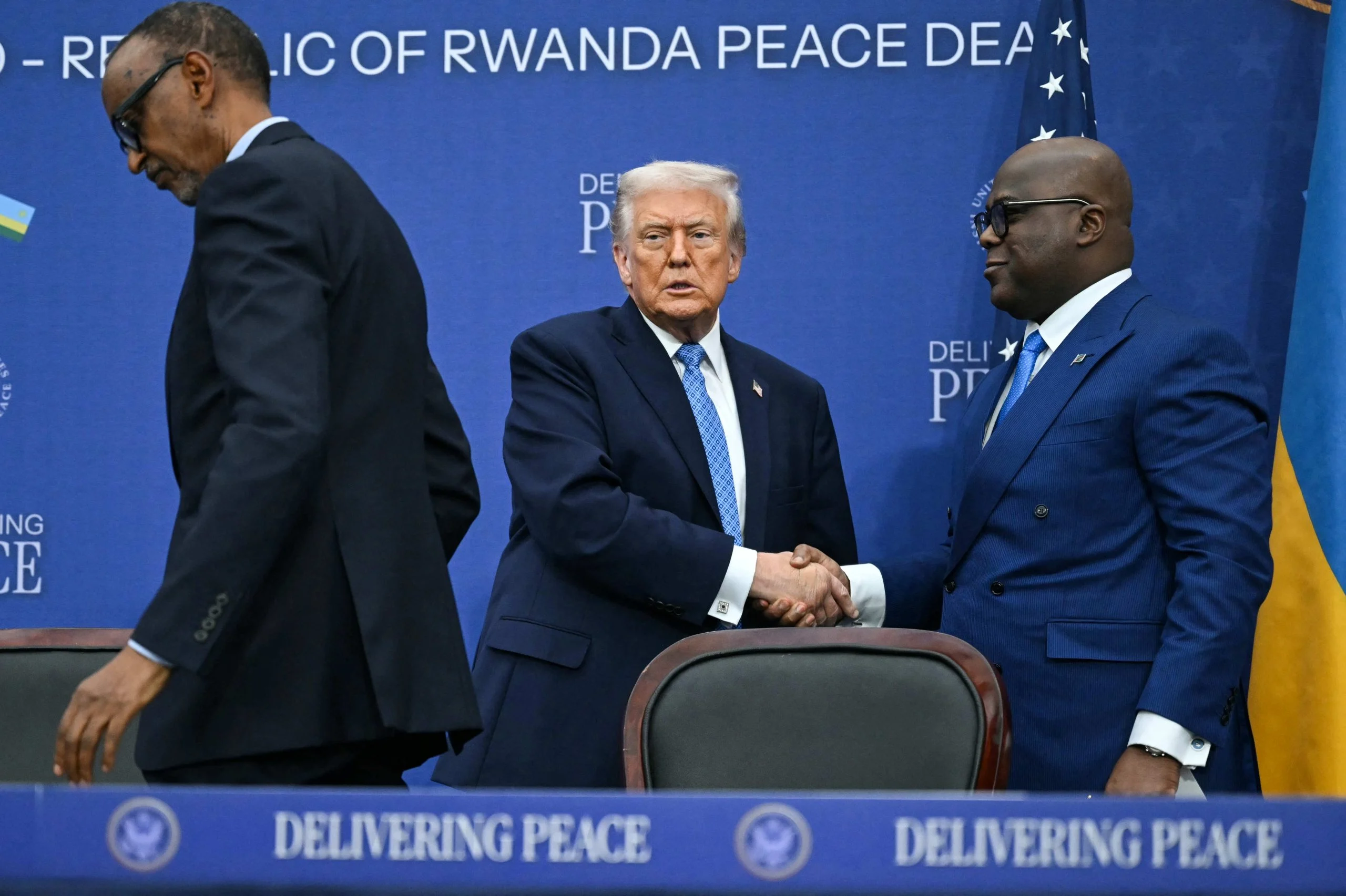
The United States has formally imposed sanctions on the Rwanda Defence Force (RDF) and several of its senior commanders, escalating international pressure over the ongoing conflict in eastern Democratic Republic of the Congo (DRC).
In a statement released by the U.S. Department of the Treasury’s Office of Foreign Assets Control (OFAC), Washington accused the RDF of providing direct operational support to the March 23 Movement (M23) rebel group. U.S. officials allege that Rwandan forces have trained, equipped, and fought alongside M23 fighters, contributing to territorial advances in eastern Congo.
The sanctions follow what U.S. officials describe as violations of a U.S.-brokered peace agreement signed in December 2025, which required the withdrawal of Rwandan troops and an end to support for armed groups operating inside the DRC.
U.S. Treasury Secretary Scott Bessent stated that the United States expects the immediate removal of RDF personnel, weapons, and military equipment from Congolese territory. He further indicated that M23’s recent battlefield successes would not have been possible without external backing.
Among those sanctioned are Rwanda’s Chief of Defence Staff Mubarakh Muganga and Army Chief of Staff Vincent Nyakarundi, along with other senior officers. The measures freeze any assets under U.S. jurisdiction and prohibit U.S. persons from engaging in most financial transactions with the designated individuals and the RDF.
Kigali has rejected the accusations, describing the sanctions as unjust and misrepresentative of the regional security situation. The government of the DRC, however, has welcomed the move, viewing it as international recognition of its longstanding claims that Rwanda has interfered militarily inside its borders.
Why This Matters
The sanctions signal a sharper U.S. posture in the Great Lakes region at a time when the conflict has displaced hundreds of thousands and deepened one of Africa’s most persistent security crises. They also raise broader geopolitical questions about whether Washington is recalibrating its relationships with key African security partners, and how far it is willing to go to enforce peace commitments.
For Southern Africa, the development underscores the fragility of regional stability and the limits of diplomatic agreements without enforcement mechanisms. It also highlights how localised conflicts can rapidly draw in global powers, reshaping alliances and economic relations beyond the immediate theatre of war.