Mohahlaula Airlines
Wednesday, July 22, 2026
Home Blog Page 28

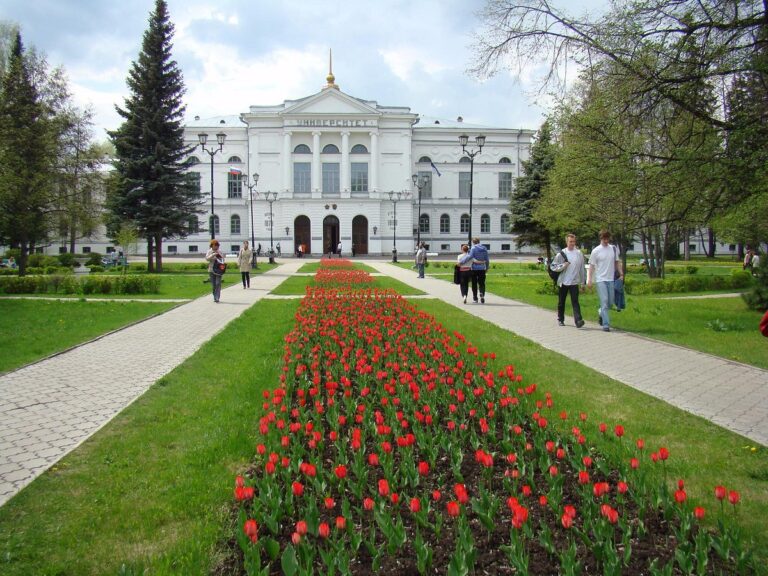
Tomsk State University has launched a free online Russian language course for the citizens from Lesotho and South Africa 

As part of its growing international outreach, the university is expanding educational opportunities for African partners. The free online course is designed to help participants build a strong foundation in the Russian language, explore Russian culture and prepare for future studies at Russian universities.

The programme includes:

▫️ Live online classes with TSU specialists;

▫️ Interactive learning materials and speaking practice;

▫️ Introduction to Russian culture and the education system.

This initiative strengthens academic cooperation and supports prospective international students interested in pursuing higher education in Russia.

Motion filed in Lesotho Parliament to investigate PM Matekane over illegal miners allegation

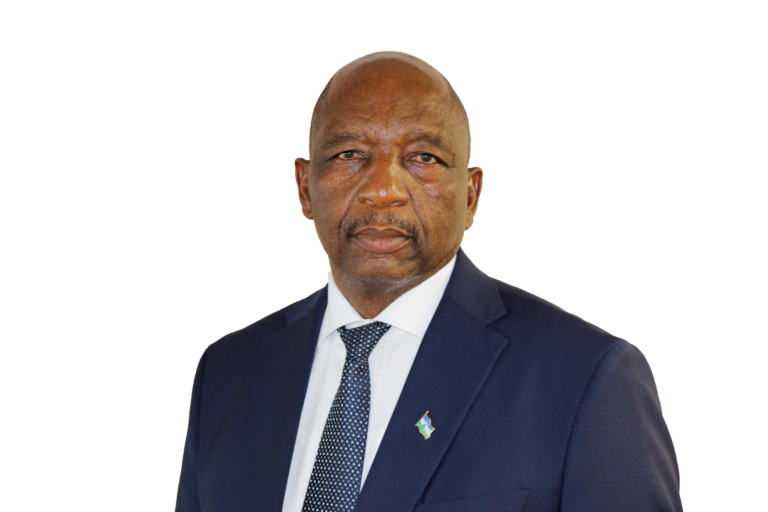
Maseru – A formal motion has been filed in Lesotho’s National Assembly seeking the establishment of an ad hoc parliamentary committee to investigate explosive allegations made by South Africa’s Mineral Resources Minister Gwede Mantashe that Prime Minister Sam Matekane held a meeting with illegal miners known as zama zamas.

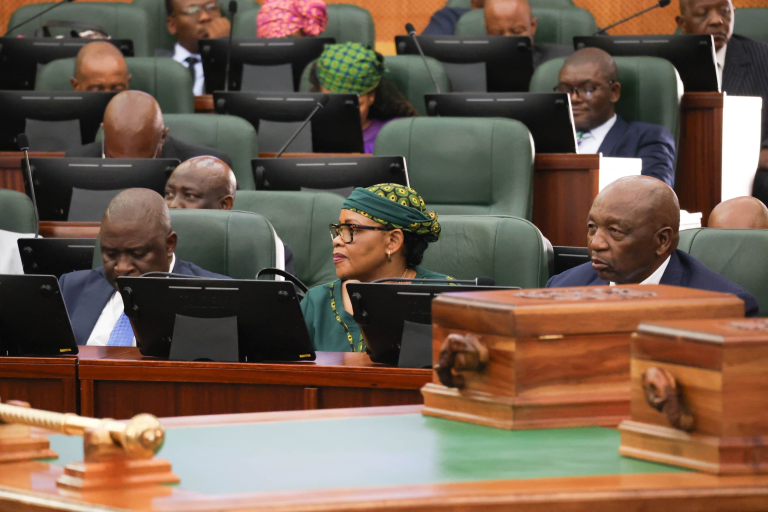
The motion, submitted on Thursday by Member of Parliament Machesetsa Mofomobe, calls on Parliament to urgently institute a special committee to probe what it describes as “serious allegations” with potential implications for Lesotho’s national integrity, diplomatic standing, and constitutional order.

Parliament asked to investigate protocol breach

According to the Notice of Motion dated 26 February 2026, the proposed committee would investigate claims that the Prime Minister not only met with illegal miners operating in South Africa but also allegedly bypassed established diplomatic and government protocol channels.

The motion states:

“This honourable house resolves to establish an ad hoc committee to investigate serious allegations made by the Minister of Mining and Mineral Resources of the Republic of South Africa… who alleged that the Prime Minister of Lesotho held a meeting with illegal miners… and furthermore, the Prime Minister broke the protocol channels.”

If adopted, the committee would have the authority to examine the facts, summon witnesses, and report its findings back to Parliament.

Allegations trigger political and diplomatic shockwaves

The development follows remarks made earlier this week by Minister Mantashe before South Africa’s parliamentary portfolio committee, where he accused Prime Minister Matekane of engaging with illegal miners linked to violence, economic sabotage, and criminal activity in South Africa’s mining sector.

The allegations have already triggered widespread public debate and raised urgent questions about Lesotho’s diplomatic conduct, national security, and the integrity of the Prime Minister’s office.

High political stakes

This motion represents a major escalation, formally moving the matter from political accusation into a parliamentary accountability process.

If Parliament approves the motion, it would mark one of the most serious investigations ever initiated into a sitting Prime Minister in Lesotho’s recent democratic history.

The motion must now be debated and voted on by Members of the National Assembly. If passed, the ad hoc committee will be formally established and begin its investigation.

Related story https://lesothotribune.co.ls/south-african-minister-accuses-lesotho-prime-minister-of-meeting-illegal-miners/

South African Minister accuses Lesotho Prime Minister of meeting illegal miners

MASERU – South Africa’s Minister of Mineral and Petroleum Resources, Gwede Mantashe, has made a serious and potentially explosive allegation that Lesotho’s Prime Minister, Sam Matekane, has been meeting with illegal miners from Lesotho who are accused of terrorising communities and sabotaging South Africa’s economy.

Mantashe made the remarks on 24 February 2026 while appearing before South Africa’s Portfolio Committee on Mineral and Petroleum Resources.

watch

Lesotho Police Reject 2% Salary Increase, Say Government Owes Public Servants 37%

MASERU – The Lesotho Police Staff Association (LEPOSA) has formally rejected the 2% salary increase proposed in the 2026/27 national budget, arguing that the adjustment is far below inflation and has significantly eroded the real incomes of police officers over the past several years.

In a memorandum dated 23 February 2026 and addressed to its regional and district committees and entire membership, LEPOSA leadership said the proposed increment fails to protect police officers from rising living costs and does not reflect the economic realities facing public servants.

The rejection signals growing dissatisfaction within the country’s security services and raises fresh questions about public sector wage policy at a time when the government is under pressure to balance fiscal discipline with social stability.

2% Salary Increase “Far Below Inflation”

According to LEPOSA, the proposed 2% increase is “far below the current rate of inflation and fails to protect our real incomes.”

The association noted that this marks the fourth consecutive year in which government has granted only a 2% annual salary increase, without adequately accounting for rising costs of food, transport, housing, and other essentials.

“This has eroded our buying power and placed severe strain on our livelihoods,” the memorandum states.

Inflation reduces the value of money over time, meaning that even when salaries increase nominally, workers may effectively become poorer if the increase is lower than inflation.

Government Owes Police and Public Servants an Estimated 37%

In one of the most striking claims, LEPOSA estimates that government now owes public servants approximately 37% in cumulative salary adjustments that should have been implemented to match inflation over previous years.

The association said this shortfall has had direct consequences, including:

• Reduced living standards for police officers and their families

• Lower pension contributions due to suppressed salaries

• Reduced future pension payouts

This introduces long-term financial insecurity not only for current officers but also for retirees.

Risk Allowance Dispute Remains Unresolved

LEPOSA also raised concerns about delays in implementing improved police risk allowances.

The association said discussions with government over the past three years had included proposals to increase risk allowances from:

M1,500 to M500 per phase, and

• Adjust daily risk compensation currently standing at M3 per day and M100 per month

Despite acknowledging the dangers faced by police officers, LEPOSA said government has maintained existing rates.

“This is unacceptable given the real risks and sacrifices we make daily,” the association said.

Police officers are among the most exposed public servants, regularly facing armed criminals, civil unrest, and other life-threatening situations.

LEPOSA Calls on Government to Review Salary Increase Immediately

The association has now issued a formal call for government to:

• Immediately review the proposed 2% increase

• Align salary adjustments with the current inflation rate, estimated at 4.2%

• Provide a clear plan to address the cumulative 37% salary gap

The demand places additional pressure on the Ministry of Finance and the government of Prime Minister Sam Matekane, which has already indicated fiscal constraints limit its ability to increase spending significantly.

Wider Impact on Lesotho’s Economy and Public Service

LEPOSA warned that the issue extends beyond police officers and affects the broader functioning of the state.

“These issues affect not only Association members but the broader Basotho nation, as the public relies on us for essential services,” the memorandum states.

The association emphasized that fair compensation is essential to maintaining morale, professionalism, and effective service delivery.

Public sector wages are a critical component of Lesotho’s economy, supporting thousands of households and influencing consumer spending.

Possible Collective Action Being Considered

While stopping short of announcing immediate industrial action, LEPOSA indicated it is considering possible collective measures while continuing engagement with government.

“We are committed to ensuring that Basotho continue to receive the best possible services from our members,” the association said.

It added that further updates would be communicated to members as discussions progress.

Growing Public Sector Wage Pressure After Budget

The dispute comes just days after the government tabled the 2026/27 national budget, which included the 2% salary increase for civil servants.

The budget has already sparked debate, with critics arguing that government is effectively shifting economic burdens onto public servants while prioritizing infrastructure and fiscal consolidation.

Related article https://lesothotribune.co.ls/budget-2026-27-triggers-wave-of-public-disappointment-lesotho-tribune-sentiment-tracker-shows/

Government quietly admits it cannot employ Basotho anymore

MASERU – The Government of Lesotho has made one of its most candid economic admissions in recent years: it can no longer be the country’s primary employer.

Buried within the 2026/27 national budget speech is a stark acknowledgement that the state’s role as the main provider of jobs has reached its financial and structural limits, forcing a historic shift towards private-sector-led employment.

“The bloated public-sector wage bill… remains among the highest in the region and is fiscally unsustainable… Government cannot be the employer of first choice and last resort.”  

This statement marks a turning point in Lesotho’s economic model, one that has relied on public sector employment for decades.

The end of the Government-as-Employer model

For generations, Basotho have viewed government employment as the safest and most reliable path to financial stability. But the budget makes it clear this model has reached its limits.

The public wage bill alone consumes around 17 percent of GDP, one of the highest ratios in Southern Africa.  

This level of spending has created a dangerous imbalance.

Money that could be invested in roads, energy, agriculture, and industrial development is instead used to pay salaries.

The result is a vicious cycle:

• Government employs more people to address unemployment

• Wage costs increase

• Infrastructure investment declines

• Private sector growth slows

• Unemployment worsens

The budget explicitly warns that this path is unsustainable.

Government shifting responsibility to private sector

The new budget signals a clear policy shift. Instead of creating jobs directly, government will focus on enabling businesses to create them.

The Minister of Finance stated:

“To seize these opportunities, we must empower the primary engine of sustainable growth – the private sector… Jobs must be created not by temporary stimuli, but by sustainable productive activity.”  

This reflects a fundamental redefinition of government’s role in the economy.

Going forward, the state intends to:

• Build infrastructure

• Improve the business environment

• Facilitate investment

• Provide financing support

But not employ people directly at scale.

The deeper problem: Government simply cannot afford it

This shift is not ideological. It is financial necessity.

Several pressures have forced the Government’s hand:

a. Slowing economic growth

Lesotho’s economy grew only 1.4 percent in 2025/26, a sharp slowdown.  

Key sectors like:

• Mining

• Textiles

• Manufacturing

have shed jobs due to global competition and declining demand.

b. Declining external support

The budget confirms:

• Grants are shrinking

• Concessional finance is tightening

• Donor support is becoming more selective

This means government has less money available overall.

c. Overdependence on volatile SACU revenues

Southern African Customs Union transfers remain a major funding source, but they are unpredictable.

The budget warns:

Heavy reliance on SACU transfers poses a major macro-fiscal vulnerability.  

This instability makes long-term salary expansion risky.

Youth unemployment forced government’s admission

The admission comes as youth unemployment reaches crisis levels.

Government has already declared youth unemployment a “National State of Disaster.”  

But instead of promising government jobs, the new budget focuses on:

• Youth innovation hubs

• Private-sector apprenticeships

• SME financing

• Entrepreneurship support

This confirms the shift away from state employment.

Infrastructure replaces hiring as main spending priority

Instead of hiring more workers, government is redirecting money to infrastructure.

Capital spending will rise to M9.03 billion, a massive increase.  

Major investments include:

• Roads and bridges

• Energy projects

• Aviation infrastructure

• Water systems

• Digital connectivity

The logic is clear: infrastructure creates private jobs indirectly.

Even civil servants get minimal increase

Public servants will receive only a 2 percent salary increase, barely keeping pace with inflation.  

This further confirms government’s limited financial space.

A historic economic turning point

This budget may be remembered as the moment Lesotho “officially” abandoned the expectation that government will employ its citizens.

Instead, the message is clear:

Government will enable jobs.

But it will not provide them.

What this means for Basotho

This shift has profound implications.

Reality 1: Government jobs will become scarcer

The era of expanding civil service employment is effectively over.

Reality 2: Private sector becomes survival engine

Future employment will come from:

• Agriculture

• Manufacturing

• Tourism

• Technology

• Services

Reality 3: Entrepreneurship will become necessity, not option

Government is positioning Basotho to create their own opportunities.

The bottom line

The 2026/27 Budget contains a quiet but unmistakable truth.

Lesotho’s government can no longer employ its people at scale.

The future of employment now rests on whether the private sector can succeed where government can no longer afford to continue.

Related article https://lesothotribune.co.ls/lesotho-budget-2026-2027/

Former IEC Director and Two Senior Officials Charged Over Alleged Illegal Procurement of 3,000 Bags

0

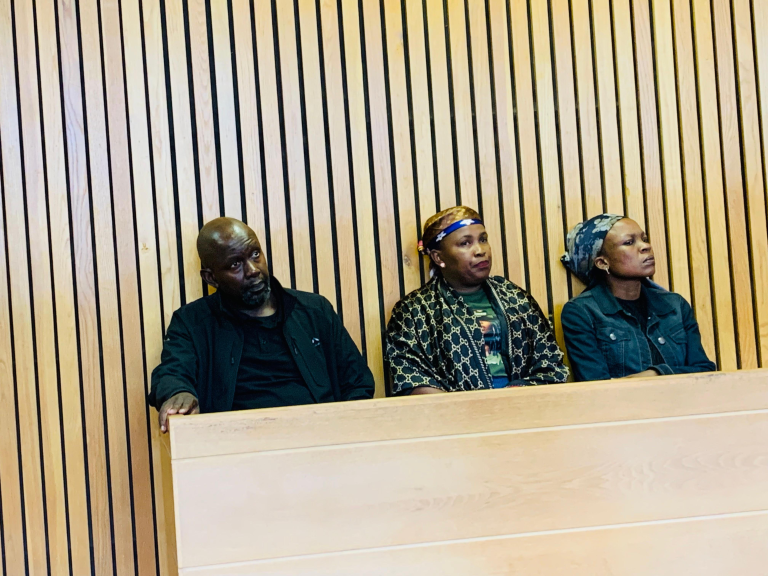
MASERU — Three former senior officials of the Lesotho Independent Electoral Commission (IEC), including a former Director of Elections, have appeared before the Maseru Magistrate’s Court facing criminal charges linked to alleged unlawful procurement.

The accused, Mpaiphele Maqutu (54), former Director of Elections; Joalane Mavuso (45), former Executive Secretary to the Director of Elections; and Mabatho Sesoane (47), former Finance Manager, appeared before Magistrate Nkhethoa Molapo this week.

They face charges of contravening Section 164 read with Section 167 of the Public Procurement Act No. 3 of 2023, legislation designed to enforce transparency and accountability in public procurement.

Allegations relate to procurement at IEC offices

According to court proceedings, the trio allegedly procured and purchased 3,000 paper bags without following lawful procurement procedures.

The alleged offence is said to have occurred between January 22, 2025 and February 22, 2025 at the IEC offices in Maseru.

Prosecutors allege that the accused acted in concert and with a common purpose, unlawfully bypassing required procurement processes when authorising the purchase.

The Public Procurement Act requires public institutions to follow strict procedures to ensure fairness, transparency, and value for money when acquiring goods and services.

Failure to comply with these procedures constitutes a criminal offence.

Defence argues accused cooperated with investigators

During bail proceedings, defence counsel Advocate Lepeli Molapo told the court that his clients had fully cooperated with investigating authorities.

He submitted that the accused had attended multiple interviews when requested and had not attempted to evade investigators.

“They were never arrested or summoned by police. They presented themselves voluntarily and are not flight risks,” Advocate Molapo told the court.

Court grants bail, case postponed

Magistrate Molapo granted each of the accused bail of M2,000, allowing them to remain free pending trial.

The case has been postponed to March 3, 2026, when the accused are expected to return to court as proceedings continue.

Case adds to scrutiny over procurement compliance

The charges come amid increasing scrutiny of procurement practices within public institutions.

Public procurement is a critical area of governance, as it involves the use of taxpayer funds to purchase goods and services.

Authorities have in recent years intensified enforcement of procurement laws to address irregularities and strengthen accountability.

The case against the former IEC officials remains before the courts, and the accused are presumed innocent unless proven guilty.

Related story https://lesothotribune.co.ls/former-iec-director-mphaiphele-maqutu-to-face-corruption-charges-in-lesotho-court/

Budget 2026/27 triggers wave of public disappointment, Lesotho Tribune Sentiment Tracker shows

0

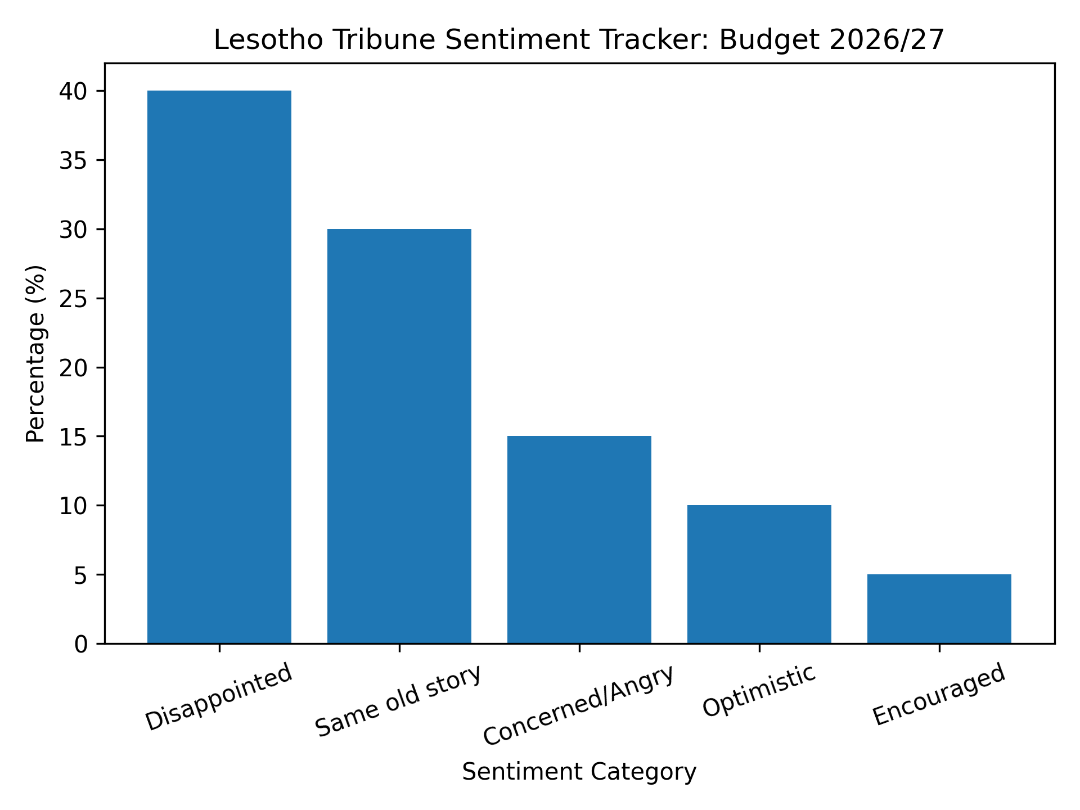
MASERU — The tabling of Lesotho’s 2026/27 National Budget has triggered an immediate and largely negative public reaction, with a new Lesotho Tribune Sentiment Tracker showing that seven in ten Basotho are either disappointed or believe the budget represents “the same old story.”

The findings, based on reader responses and verified public commentary, highlight a widening gap between fiscal policy and public expectations in an economy grappling with unemployment, weak private sector growth, and declining household purchasing power.

Public mood tilts sharply negative

According to the Lesotho Tribune Sentiment Tracker analysis:

40 percent of readers expressed outright disappointment

30 percent said the budget represents “the same old story”

15 percent expressed concern or anger

• Only 15 percent combined expressed optimism or encouragement

This places the overall sentiment firmly in negative territory.

For many citizens, the budget failed to address what they consider the country’s most urgent crisis: unemployment.

One reader summarised the frustration in blunt terms:

“Job creation Nop.”

Another pointed to deeper structural concerns:

“Lesotho’s biggest problems: Massive youth unemployment, weak private sector, low industrialisation, too much dependency on government jobs.”

Salary increase fails to inspire confidence

Government’s decision to approve a 2 percent salary increase for civil servants also drew widespread criticism.

While authorities framed the increase as fiscally responsible, many workers viewed it as inadequate in the face of rising living costs.

One reader recalled earlier political promises:

“During his election campaign PM Matekane said civil servants salaries will be equivalent to international salaries.”

Another questioned the fairness of public sector adjustments:

“What is funny is that they never increase parliamentary salaries with 2%.”

The reaction suggests that, while technically an increase, the adjustment has done little to shift public perception of economic stagnation.

Budget figures seen as disconnected from lived reality

Several readers expressed confusion over how such a large national budget translates into everyday economic hardship.

“I see nine billion Maloti but our day-to-day living cost keeps rising. I can’t even talk of wants,” wrote one commenter.

Others questioned allocation priorities, suggesting that sectors critical to economic expansion were not sufficiently prioritised.

Youth empowerment funding, in particular, was criticised as inadequate relative to the scale of the unemployment crisis.

“So R100k will empower youth? No job creation nothing else related to youth unemployment,” another reader noted.

Institutional reform message fails to resonate

Government has emphasised institutional strengthening and governance reforms as central pillars of the budget.

While some readers welcomed this focus, these views remained in the minority.

“I had to go read on institutional strengthening… this will be a good one,” one reader said cautiously.

However, such optimism was overshadowed by broader scepticism.

What the sentiment reveals about Lesotho’s economy

The Lesotho Tribune Sentiment Tracker suggests the public is not simply reacting to the size of the budget, but to its perceived impact on daily life.

Three conclusions emerge clearly.

First, Basotho want jobs, not just fiscal stability.

Second, modest wage adjustments are unlikely to restore confidence amid rising living costs.

Third, public trust in economic transformation remains fragile.

This presents a political and economic challenge for government.

While fiscal discipline may be necessary, public confidence ultimately depends on visible improvement in employment, incomes, and opportunity.

Sentiment Tracker verdict

Public Confidence: Low

Economic Optimism: Weak

Dominant Public Mood: Disappointed

Expectation of Immediate Improvement: Limited

For now, the numbers may balance on paper.

But in the court of public opinion, the verdict is far less favourable.

Why Lesotho’s new Trade and Tariff Law could reshape the country’s economic future

MASERU — Quietly and with little public debate, Parliament has introduced a law that could fundamentally change how Lesotho protects its industries, manages imports, and positions itself in the regional economy.

The Trade and Tariff Administration Bill, 2024, once operational, will give government new powers to investigate imports, impose protective duties, and regulate strategic exports. In effect, it equips Lesotho with tools long used by more industrialised economies to defend domestic production and shape economic development.

At stake is nothing less than the country’s economic sovereignty in an increasingly competitive global market.

Moving beyond passive participation in trade

For decades, Lesotho’s economy has been deeply integrated into the Southern African Customs Union, the regional bloc that includes South Africa, Botswana, Namibia, and Eswatini. While this arrangement provides revenue and access to a common market, it has also meant that Lesotho largely depended on regional structures to manage tariffs and trade remedies.

The new law begins to change that.

It establishes a dedicated Trade and Tariff Directorate within the Ministry of Trade and Industry, tasked with investigating tariff applications, monitoring trade trends, and advising government on protective measures. The Directorate will also represent Lesotho in SACU tariff processes and evaluate requests for tariff changes or safeguard measures.  

This institutional capacity has been missing.

Without it, Lesotho has had limited ability to formally respond when domestic industries faced pressure from foreign competition.

Protecting local industries from unfair competition

One of the most powerful aspects of the law is its provision for trade remedies.

These include anti-dumping duties, countervailing duties, and safeguard measures, all internationally recognised tools used to protect domestic producers.

Dumping occurs when foreign producers sell goods at artificially low prices, often below cost, to gain market share and eliminate local competitors. The law defines anti-dumping duty as an additional tariff imposed to offset the effects of such imports.  

For Lesotho, this has real-world implications.

Local textile manufacturers, poultry farmers, and agricultural producers have long faced competition from cheaper imports. With this law, government now has a formal process to investigate and respond.

This could mean tariffs designed to protect local industries and preserve jobs.

Greater control over imports and exports

The law also gives government authority to regulate specific imports and exports through permits.

The Minister will be able to prescribe goods that cannot be imported or exported without approval and impose conditions relating to quantity, origin, destination, and purpose.  

Such powers are common globally.

They allow governments to protect strategic industries, safeguard natural resources, and manage economic priorities.

For Lesotho, this could prove particularly important in sectors such as agriculture, water, and mining.

Aligning Lesotho with regional and global practice

While the law introduces new powers domestically, it also ensures Lesotho can participate more effectively in regional trade governance.

Under SACU, tariff decisions are coordinated across member states.

The new Directorate will investigate applications, compile evidence, and make recommendations to the SACU Tariff Board.  

This gives Lesotho a stronger voice.

Rather than relying entirely on external processes, the country will now have its own technical capability to defend its economic interests.

Replacing a law from another era

The Bill also repeals the Export and Import Control Act of 1984, legislation introduced in a vastly different economic context.  

Since then, global trade has transformed.

Supply chains have expanded across continents. Competition has intensified. Industrial policy has become more sophisticated.

Updating Lesotho’s legal framework reflects the realities of modern trade.

Economic opportunity and economic responsibility

The introduction of this law does not automatically guarantee economic transformation.

Its impact will depend on how effectively it is implemented.

Trade protection, if used carefully, can help local industries grow and compete. Used poorly, it can increase prices and reduce competitiveness.

The challenge for government will be balancing protection with openness.

Encouraging domestic production without isolating the economy.

A turning point in Lesotho’s economic policy

For a small, open economy like Lesotho, trade policy is not abstract.

It shapes whether factories open or close. Whether farmers expand or abandon production. Whether jobs are created or lost.

The Trade and Tariff Administration Bill represents a shift toward a more active and strategic approach.

It gives Lesotho tools it did not previously have.

Whether those tools are used effectively will help determine the country’s economic future.

Related article https://lesothotribune.co.ls/small-businesses-stand-up-against-gvt/

Independent business & current affairs journalism · Lesotho Subscribe — M85/month
| Independent business & current affairs journalism · Lesotho