Lesotho is facing a rapidly escalating outbreak of Lumpy Skin Disease (LSD), with hundreds of cattle now infected and at least 19 deaths recorded so far, raising serious concerns about livestock health, farmer livelihoods and the State’s preparedness to contain the disease.
Agriculture Minister Thabo Mofosi confirmed that 448 cattle have been diagnosed with LSD to date, warning that the figure is likely to rise as surveillance continues across the country.
The most affected districts are Maseru with 163 cases, Leribe with 142, Mafeteng with 45, Butha-Buthe with 36, Berea with 33 and Mohale’s Hoek with 28. Thaba-Tseka has reported a single case, while the remaining districts have not yet recorded infections.
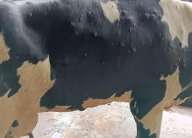
LSD is a highly contagious viral disease that affects cattle and water buffalo. It is caused by the Neethling virus and is transmitted mainly through biting insects, particularly mosquitoes and flies. Direct contact between animals is possible but occurs less frequently.
Mofosi attributed the rapid spread of the disease to the current hot and humid conditions, which have led to a surge in insect populations and accelerated the transmission of insect-borne livestock diseases.
The disease is characterised by widespread skin nodules, excessive salivation, lameness, high fever and swollen lymph nodes. Mofosi cautioned that LSD has no cure, as it is viral in nature, but stressed that it can be managed through supportive treatment aimed at strengthening the animal’s immune system and preventing secondary infections.
He urged farmers to immediately isolate infected cattle from healthy animals and to ensure that affected livestock are kept under shade with adequate water and feed. Sick animals, he warned, should not be used for work, including ploughing or pulling loads.
Farmers have also been advised to move cattle away from swamps, wetlands and riverbanks, where insect breeding is common. Areas close to rivers, wetlands, lowland regions and zones along the South African border have been identified as the most affected, with illegal cross-border grazing cited as a contributing factor.
Mofosi appealed to farmers who observe signs of the disease to report cases promptly to agricultural offices or veterinary clinics for professional assistance. He emphasised that only trained and authorised veterinary personnel are permitted to administer medication used in managing the disease.
“Self-treatment or administering medication without veterinary guidance is dangerous and strongly discouraged,” Mofosi said, reminding farmers that the loss of a cow has serious economic consequences.
Although LSD is not among the diseases officially gazetted for annual vaccination, the minister said procurement processes for supportive medication have been completed and that the ministry will provide treatment free of charge. Medical outlets, which closed over the Christmas holidays, are expected to reopen next week.
Mofosi added that medicines will be reallocated from districts that have not yet reported cases to affected areas to speed up treatment. Public awareness campaigns will continue through radio broadcasts, community gatherings, digital platforms and print media.
He further noted that climate change has contributed to an increase in unexpected and rapidly spreading livestock diseases. As a result, funds have been allocated in the 2026/27 financial year to address such outbreaks. The procurement of 21 vehicles is also at an advanced stage to enable veterinary teams to reach remote areas. Where vehicles cannot access affected communities, traditional leaders and residents have been asked to assist veterinary staff.
Meanwhile, the Director for Veterinary Field Operations in the Ministry of Agriculture and Food Security, Dr Mookho Ntiea, urged farmers to strictly separate infected cattle from the rest of their herds and warned against the use of medication without proper veterinary knowledge.
“Farmers should first seek advice from veterinarians to understand how the medication works,” Dr Ntiea said. “Ignoring veterinary guidelines is a serious mistake and may put the animal’s life at risk, as treatment should only be administered by trained professionals.”
Authorities have warned that without strict adherence to veterinary guidance and movement controls, the outbreak could deepen, placing further strain on the livestock sector and rural livelihoods.