

Mohahlaula Airlines
Thursday, July 23, 2026
Home Blog Page 54

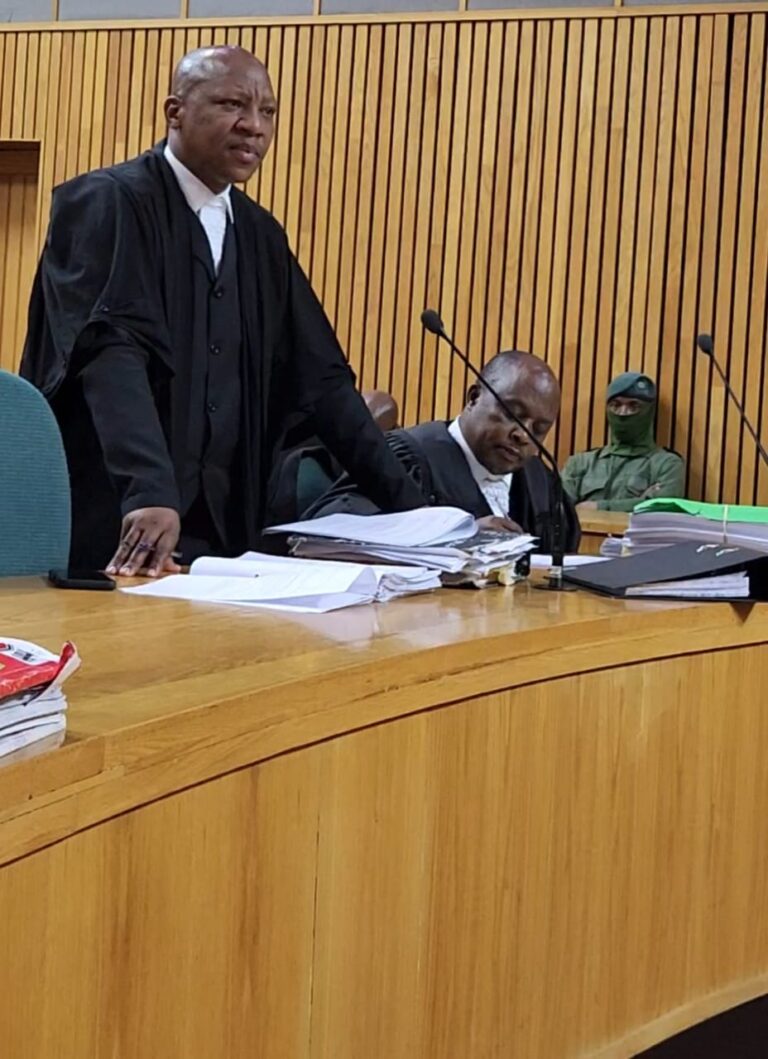
Kamoli, Soldiers Win Delay in Mahao Murder Trial

MASERU

The long-running trial of nine soldiers, including army boss Lieutenant General Tlali Kamoli, who are accused of murdering Lesotho Defence Force (LDF) commander Lieutenant General Maaparankoe Mahao, has once again been postponed.

The defence team, appearing in the High Court this week, successfully asked for more time to prepare their case and to secure witnesses before their clients take the stand. This request came shortly after the court dismissed an earlier attempt by the accused to be acquitted without entering their defence.

One of the defence lawyers, Advocate Silas Ratau, told the court that the accused soldiers do not want to testify immediately. Instead, they plan to call witnesses to testify on their behalf first. He explained, however, that the intended witnesses were not yet available and without them the defence would not be ready to proceed. 

“The accused intend to call witnesses before taking the stand themselves. Unfortunately, those witnesses are not available at the moment,” Ratau said.

He argued that forcing the accused to testify without those witnesses would weaken their case and therefore asked the court for a postponement. Attorney Qhalehang Letsika, also representing some of the accused, supported the request. 

He told the court that a delay would give the defence more time to consult thoroughly and prepare a proper defence strategy.

Interestingly, the request for postponement was not opposed by the prosecution. State prosecutor Advocate RethabileSetlojoane did not challenge the application, effectively allowing the defence some breathing space. 

With no objections before him, the presiding judge agreed to the postponement. The trial will now resume in the New Year, running from January 12 to January 30, 2026.

The decision adds yet another chapter to a case that has dragged on for years. Mahao was killed in June 2015 near his home in Mokema in an incident that shocked the nation and drew international criticism. 

According to reports, Mahao was ambushed and shot by fellow soldiers who claimed they were carrying out an arrest order. His death sparked outrage and led to a regional commission of inquiry, which later recommended prosecutions.

Since then, the case has been in and out of the courts, often delayed by legal battles, procedural applications, and logistical setbacks. 

This week’s postponement means that the accused, including Kamoli, once considered one of the most powerful men in the army, will spend several more months waiting to give their side of the story.

The request for postponement comes just after the same accused lost their bid to be acquitted. They had argued that the prosecution had not provided enough evidence to prove their involvement in Mahao’s killing. 

But High Court judge Justice Charles Hungwe disagreed. In a ruling delivered earlier this week, he said the state had established a prima facie case, meaning that there was enough evidence requiring the accused to answer to the charges.

“The court is satisfied that the threshold has been met,” the judge said in his ruling. 

“There is a case for the accused to answer.” 

That ruling meant the nine soldiers had no choice but to prepare their defence.
SADC Plans to Make Water Centre of Corridor-led Investments

0

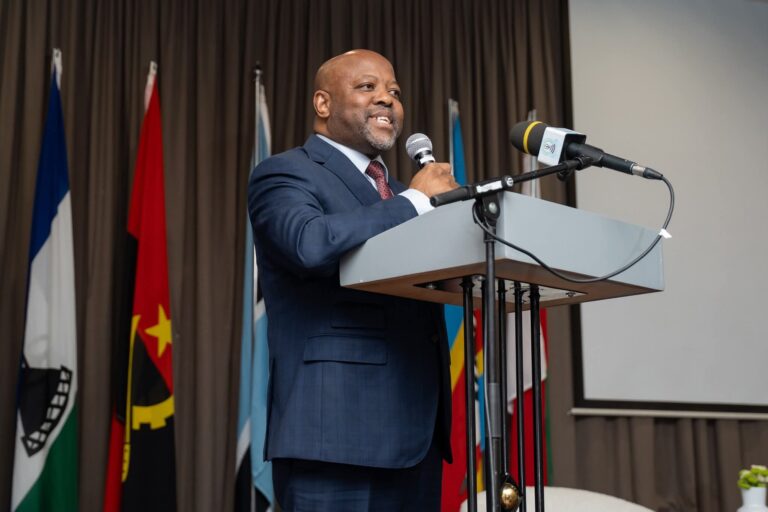
The 11th SADC Multi-Stakeholder Water Dialogue held in Maseru this week focused on the critical role of water security in transforming Southern Africa’s economic development corridors.

Themed “Water Security, Innovation and Nexus Action: Watering and Enabling Regional Economic Development Corridors for Transformation in SADC”, the biennial event served as a vital platform for exchanging ideas, brainstorming pressing issues and shaping regional programmes to support integration, industrialisation and poverty reduction. 

It aligned key regional and continental frameworks, including SADC Vision 2050, the Regional Indicative Strategic Development Plan (2020-2030), the SADC Regional Industrialisation Strategy and Roadmap (2015–2063) and the African Union’s Agenda 2063.

It also emphasised the exploration of how the water sector, under the Water, Energy, Food and Ecosystems (WEFE) Nexus framework, can effectively contribute to the newly endorsed regional initiative of smart regional economic corridors.

Mohlomi Moleko, Minister of Natural Resources, speaking at the event, emphasised the critical role of water in regional integration, economic development and industrial transformation within the SADC.

He said water is highlighted as essential to every link in the regional value chain, from agriculture and energy to trade and industrial processing, emphasising that without water, there can be no inclusive growth or sustainable industrial transformation.  

Moleko appealed that the SADC region’s approach to economic corridor development must prioritise water at the heart of planning and investment to ensure that the corridors serve as lifelines of resilience, providing equitable access to resources. 

He highlighted the Lesotho Highlands Water Project and the Lesotho Botswana Water Transfer Project as demonstrations that value collaboration in managing shared resources for mutual benefit.

The SADC Secretariat Director of Infrastructure, Mapolao Mokoena, said they view economic corridor development as crucial for realising regional integration and development; therefore, the initiative seeks to align sectoral visions and strategies, co-design sustainable solutions, and promote impactful regional trade with seamless movement of goods, services and people.

Among many things, she higlighted challenges that remain outstanding in the water and energy sector, saying despite efforts, regional water access still stands at 63 percent and sanitation at 37 percent, falling short of the 80 percent target by 2030.

She encouraged adaptation of strategies to support regional progress in the water sector, adding that by recognising the limitations of working in isolation, the dialogue emphasises the pursuit of integrated arrangements and mainstreaming of cross-cutting sectors.

The GWPSA Interim Executive Secretary, Andrew Takawira, also added a heavy voice to the dialogue, emphasising the need to move beyond conversation and towards concrete action in integrating water management into regional development strategies.

Takawira told participants at the dialogue that Southern African economies are currently facing increasing pressure from climate variability, water scarcity and growing demands on food and energy systems. 

At the same time, the region is pursuing ambitious goals for industrialisation, agricultural transformation and energy transition, thereby placing the core challenge of the dialogue as a need to reconcile these pressures and ambitions in a way that will ensure resilience, prosperity and inclusion.

According to Takawira, without reliable and resilient water systems, development corridors cannot function as engines of transformation. He threw the question of how water security can enable the transformation of Southern Africa’s economic development corridors to the participants. 

Member states participating in the dialogue acknowledged challenges, including climate variability, water scarcity and the fact that investments in corridors often fail to adequately integrate water management.

The two-day-long dialogue focused on three key areas:

1. Repositioning the Water-Energy-Food-Ecosystems (WEFE) Nexus: Integrating these elements into corridor planning to maximise synergies and manage trade-offs.

2. Unpacking the Role of River Basin Organisations (RBOs) and Transfrontier Conservation Areas (TFCAs): Strengthening the links between these institutions and corridor planning and governance to ensure development corridors are ecologically and socially sustainable.

3. Promoting Water-Smart and Climate-Resilient Investments: Showcasing innovative solutions and mobilising financing through blended approaches involving public budgets, public-private partnerships, climate funds and private capital.

The need to ensure that corridor-led investments systematically integrate water security, making them resilient to climate risks and able to deliver sustained competitiveness, was another issue that was highly emphasised, including strengthening the links between transboundary institutions and development corridors, recognising these institutions as central actors in planning and implementation.

At the end of the day, one thing was agreed upon: to leave Lesotho with a commitment to turn dialogue into delivery- to translate dialogue into tangible action.

In Takawira’s words, “Water is not a backdrop to development. It is the enabler. If we succeed in making water central to corridor-led investments, and if we connect our transboundary institutions to these engines of growth, then we will not only safeguard our future but also accelerate the transformation of Southern Africa and contribute to Africa’s continental integration.”

Rogue State Allegations as Opposition Tears Into Matekane

0

Opposition parties have accused the Revolution for Prosperity (RFP)–led coalition of dragging Lesotho into rogue-state territory. Their charge: the systematic undermining of the Constitution and open defiance of the courts.

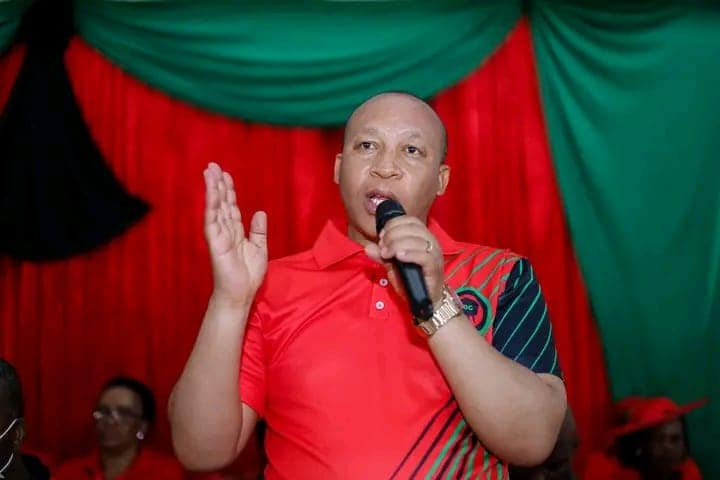
At a press conference held at the Transformation Resource Centre on Wednesday, Democratic Congress leader and official Leader of the Opposition, Mathibeli Mokhothu, condemned Prime Minister Sam Matekane for unlawfully suspending Director of Public Prosecutions (DPP) Hlalefang Motinyane and then refusing to obey a Constitutional Court order reinstating her.

“We were shocked by her suspension. Advocate Motinyane challenged it in the Constitutional Court, as she was entitled to under a democratic dispensation. The court ruled her suspension unconstitutional. After losing the case, they locked her office with a heavy padlock. That is wrong. The government must abide by judicial decisions. It is deeply embarrassing when it undermines a court order,” Mokhothu said.

Defiance of the Judiciary

The case has become a flashpoint in Lesotho’s political crisis. The government’s refusal to reinstate Motinyane, even after the ruling, has been called “executive lawlessness” by watchdog group Section 2.

Abuse of Power

Opposition parties also allege that Matekane’s administration has used security agencies as tools of intimidation. Before a planned no-confidence vote in October 2024, the heads of security services warned the opposition not to proceed, reviving fears of military interference in politics. More recently, the police commissioner was accused of requiring the Prime Minister’s clearance for peaceful protests, language Section 2 described as “dictatorship”.

Constitutional Manipulation

Critics charge that the RFP government is cherry-picking constitutional amendments to entrench its own interests. This piecemeal approach, they argue, mirrors past attempts at executive overreach that courts warned against in 2022.

Corruption Claims

Opposition leaders have also pointed to widespread corruption.

• Ballooning costs in the Moshoeshoe I International Airport refurbishment.

• Nepotism in appointments, including diplomatic postings for relatives and allies of ministers.

• M3.4 billion spent without parliamentary approval.

“These are not the hallmarks of a government of integrity,” Mokhothu added.

Failure of Delivery

Beyond the constitutional crisis, the opposition says the government has failed to provide basic services while crime rates remain alarmingly high.

The Bigger Picture

Matekane’s Revolution for Prosperity swept into power in October 2022 on a wave of optimism. A new party promised a clean break from decades of instability. Two years later, the promise appears to have curdled into a familiar pattern: executive interference, constitutional breaches, and public disillusionment.

The DPP standoff is not just a legal battle. It is a test of whether Lesotho is governed by laws or by the will of those in power.

Is Lesotho’s Insurance Sector Ready for Climate Risk

Lesotho’s climate is shifting faster than the country’s systems can adapt. Floods that destroy homes in Maputsoe. Droughts that empty the Mohale Dam and cripple smallholder farmers. Violent storms that damage roads and power lines. These are no longer outliers. They are annual events.

The question is whether the insurance sector is keeping pace with this new reality.

Environmental: Climate Adaptation

In theory, insurers should be frontline actors in climate resilience. By pricing risk correctly and rewarding adaptation, they can nudge households and businesses toward climate-smart behaviour. Yet local insurance products remain thin. Flood insurance is rare. Agricultural cover is limited and expensive. When the drought hit in 2023, most small farmers had no safety net.

A few initiatives exist. Some micro-insurers, working with development partners, have piloted weather-indexed crop insurance in Berea and Leribe. But coverage remains low, and payouts have been inconsistent. Without broader adoption, climate shocks will continue to push families into poverty.

Governance: Risk Transparency

Globally, insurers are adopting climate scenario planning, stress-testing portfolios against rising climate risks. In Lesotho, transparency is patchy. Few insurers publish how they factor climate into risk models. Boards seldom disclose exposure to events like flash floods or prolonged drought.

The Lesotho National Insurance Regulator has also been slow to demand disclosures. Governance experts argue that without regulatory pressure, insurers will underprice climate risk in the short term and collapse under heavy claims when disaster strikes.

The Missed Opportunity

Insurance penetration in Lesotho is among the lowest in the region. Less than 5 percent of households hold any form of cover. Climate risk could be the chance to expand the sector, but only if insurers innovate. Offering affordable drought and flood policies, tying premiums to resilience measures such as water harvesting or stronger building codes, could shift the market.

Instead, the sector has remained cautious. That caution now looks like negligence.

The Bigger Picture

Prime Minister Sam Matekane has championed resilience in speeches, but critics argue government has left too much to chance. The Meteorological Services issue warnings, but there is no coordinated insurance response. Without alignment between policy, insurers, and households, the country remains dangerously exposed.

Climate risk is not theoretical. It is here. Unless the insurance sector and government work together, Lesotho will keep rebuilding after each storm instead of preparing for the next one.

———————

Lesotho’s Costliest Climate Events in the Last Five Years

Maputsoe Floods (2023): Hundreds displaced, infrastructure destroyed.

Mohale Dam Drought (2022–23): Severe water shortages, farmers lost entire harvests.

Thaba-Tseka Storms (2024): Roads cut off, power outages lasted days.

Source: Disaster Management Authority, Lesotho Meteorological Services

Lesotho’s potato priority

0

FAO

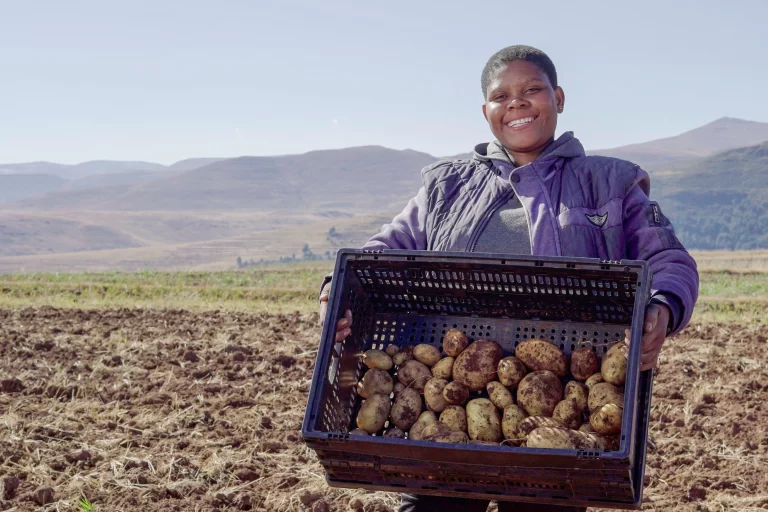
Amidst craggy peaks and rolling highland plateaus characteristic of the Lesotho’s terrain, there is a remote town in the mountains of Maseru District where Mabitsoane Diholo goes every day to work on her farm. The humble potato is her main crop, but humble no longer describes its place in her life.  

“This potato has built my house. It has educated my children,” says Mabitsoane, the 53-year-old farmer and mother of seven. “I used to grow potatoes just to eat at home and feed my children. Now, it is my livelihood.” 

Once grown mainly for family consumption, the potato is now a symbol of national transformation. Choosing this tuber as its priority product, Lesotho joined the One Country One Priority Product (OCOP) initiative of the Food and Agriculture Organization of the United Nations (FAO) in 2022. 

Mabitsoane is one of 750 farmers who FAO supported through this initiative. A lead farmer and active member of the Potato Lesotho Association, she also runs a roadside eatery and mentors others in her community.  

Whereas she used to sell whatever potatoes she had leftover by the road, with her increased volume thanks in part to seeds and fertilizers provided by FAO, she now sells to Maluti Fresh Produce Market in Maseru. A primary activity of the OCOP project is to connect farmers to local markets to stabilize and increase their income from these priority crops.  

Maluti Fresh Produce Market manager, Thabo Khalema says, “This market is pivotal in Lesotho’s horticulture industry.” He continues, “It gives local farmers a path to commercial farming, with fair pricing, transparency and real income. They’re no longer just producers — they’re entrepreneurs.” 

“I get paid twice a week. This has changed our lives,” Mabitsoane comments. “Before, we sold by the roadside and got cheated. Now, people come back again and again because they know my potatoes are good.” 

“In Lesotho, the potato was already widely grown,” explains Nthimo Mokitinyane, FAO’s OCOP Focal Point in Lesotho. “But what was missing was coordination. Now, with better seeds, improved practices and market access, farmers are moving from subsistence to commercial farming.” 

He points to productivity increases of up to 20 percent in pilot areas. With the training they received through the OCOP initiative, he states, “We’re seeing farmers make decisions based on data — about what to plant, when and how to market it. It’s no longer guesswork — it’s business.” 

Women at the forefront 

More than 60 percent of OCOP-supported farmers are women. “They are the first to show up, to try new practices and to share knowledge,” Mokitinyane says.  

“I’m not working for myself only,” Mabitsoane says. “I’m working to uplift my fellow women. This project is giving us power to take care of our families.” 

This sense of empowerment resonates with Maleuta Mahao, a 27-year-old who started farming just two years ago. “I used to think farming was just digging,” she says. “Now I know it’s business — about profit, planning and feeding the nation.” 

Maleuta began with just 25 kilograms of seed and recently harvested over 300 kilograms of potatoes. She says that the OCOP project helped her believe in herself.  “I want to be a big farmer and inspire others. People in the village ask me, ‘How did you do it?’ I tell them: ‘start small, work hard and keep going’.”  

“Women have been at the forefront of agricultural production for decades,” explains His Majesty King Letsie III of Lesotho, an FAO Special Goodwill Ambassador for Nutrition. “If we unlock the commercial potential of the potato, it can empower rural women and attract young people struggling to find jobs.” 

Transforming farming into business 

Lesotho’s high-altitude climate offers ideal conditions for potato farming, and the crop is central to the country’s strategy for food security and economic resilience. But turning potential into reality requires investment, markets and innovation. 

“Farmers need to know their produce will sell and generate income to reinvest in farming,” King Letsie III. 

Kutloelo Kothoelo Molapo, Project Coordinator of the Potato Lesotho Association, says OCOP has redefined how farmers operate. “Our members used to be subsistence growers,” she explains. “Now they’re talking about contracts, quality standards and profit margins. The mindset has changed.” 

The Association now works closely with farmers to meet market demands — from consistent supply to post-harvest handling. “Buyers want clean, sorted potatoes with no rot. Our farmers are delivering that,” Molapo says. 

This growing commercial awareness is critical. According to Minister of Agriculture, Food Security and Nutrition, Thabo Mofosi, “OCOP is a game-changer. We used to rely heavily on imports… Now, with this initiative, we’re building local capacity to produce more.” 

Mofosi says the goal is not just food security but economic transformation. “We are supporting the entire value chain — production, processing, transport and markets. That means jobs, income and dignity.” 

Maleuta is already dreaming big. “I want to grow for the whole country — not just for my village,” she says. “I want to build something lasting.” 

For the more experienced Mabitsoane, farming has also become a means to invest in education. Her daughter is now at university, inspired by her mother’s journey. “She wants to be like me,” Mabitsoane says proudly. “A businesswoman.” 

This transformation — from subsistence to entrepreneurship — is what OCOP enables. 

“I have high hopes for the children of farming communities,” says King Letsie III. “My biggest hope is that they grow as healthy citizens, nourished by nutritious foods produced in rural areas, enabling them to be productive adults.” 

FAO’s OCOP initiative works by helping countries focus on one strategic crop and strengthen its full value chain — from seeds to sales. For Lesotho, the potato is no longer just a staple. It’s a catalyst — for women’s empowerment, youth employment and a more resilient rural future. 

Every 16 October – World Food Day – is a chance to celebrate food heroes around the world. From farmers and fishers to innovators and chefs, food heroes are leading local and global efforts to create more sustainable and resilient agrifood systems. But we can all be food heroes: respect food, eliminate waste, reduce unnecessary consumption. Our actions are our future. Let’s build a better one together.

South Africa Mourns the Passing of Ambassador Mthethwa

0

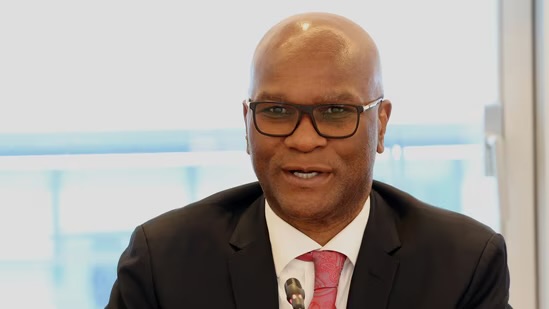
The Government of South Africa has announced the sudden passing of its Ambassador to France, His Excellency Nkosinathi Emmanuel Mthethwa.

Ambassador Mthethwa, who assumed his diplomatic posting in December 2023, had been entrusted with deepening bilateral ties between Pretoria and Paris. His death, which occurred under circumstances still being investigated by French authorities, was described by Minister of International Relations Ronald Lamola as a national loss felt well beyond South Africa’s borders.

Mthethwa’s career in public service spanned decades. He previously held key ministerial portfolios as Minister of Police and Minister of Sports, Arts and Culture, and was a member of the Board of Directors of the 2010 FIFA World Cup Local Organising Committee. Within the African National Congress, he was a longstanding figure in the party’s highest decision-making structures.

In announcing his death, government paid tribute to his “unwavering patriotism and service to the nation,” noting that his diplomatic work was the continuation of a lifelong commitment to public duty.

Ambassador Mthethwa is survived by his wife and children. The Government of South Africa extended condolences to his family, friends, and colleagues during what it described as a period of “immense grief.”

FIFA Awards 3-0 Victory to Lesotho After South Africa Fielded Ineligible Player

0

Maseru – Lesotho has been handed a major boost in its FIFA World Cup 2026™ qualifying campaign after the world football governing body ruled in its favour against South Africa.

The FIFA Disciplinary Committee announced on Monday that the South African Football Association (SAFA) breached regulations when it fielded Teboho Mokoena, an ineligible player, in the South Africa v. Lesotho preliminary match played on 21 March 2025.

In its findings, FIFA confirmed that South Africa’s actions violated article 19 of the FIFA Disciplinary Code and article 14 of the World Cup 2026 Preliminary Competition Regulations.

As a result, the match has been declared forfeited. Lesotho has been awarded a 3-0 victory on paper, overturning the original result.

In addition to the forfeiture, SAFA was fined CHF 10,000 (about M210,000), while Mokoena himself received a formal warning.

FIFA underlined that the decision is immediately effective, although South Africa retains the right to appeal to the FIFA Appeal Committee within ten days.

For Lesotho, the decision significantly strengthens its position in the qualifying campaign, injecting renewed hope in the team’s World Cup dream.

US to “Extend” AGOA by a Year, Shelile Confirms After Washington Visit

0

Lesotho’s trade minister, Mokhethi Shelile, announced on Wednesday that the United States plans to extend the African Growth and Opportunity Act (AGOA) by one year, a temporary reprieve for the textile-dependent economy. The news followed his return from a high-level visit to Washington.

AGOA, which has given African countries preferential access to US markets for nearly 25 years, was on the brink of expiry. A barrage of tariffs imposed by former US President Donald Trump on April 4 had already rattled African exporters, with many describing the move as the death knell for AGOA.

Lesotho took the hardest hit when it was slapped with a 50% tariff on Trump’s so-called “Liberation Day.” The shock nearly crippled the mountain kingdom’s fragile export-led development model, which relies heavily on selling jeans and T-shirts to the American market. Though the tariff was later reduced to 15% in August, the damage underscored the vulnerability of the sector.

Shelile, who led a trade delegation to Washington from September 15 to 19, said they met officials from the House Ways and Means Committee and the Senate Finance Committee. “They all agreed that AGOA has to be extended and they promised us that by November or December at the latest, it will be extended by a year,” he told reporters.

AGOA is due to expire on September 30. Local companies benefiting from it have warned that any delay could result in immediate job losses and factory closures. Lesotho currently qualifies for textile and apparel benefits under AGOA, according to the US Trade Representative’s office.

Trade between the two countries remains significant. US goods and services trade with Lesotho reached $276 million in 2024, an increase of 4.6% from the previous year.

Still, questions linger. A White House spokesperson declined to comment when approached. Meanwhile, Shelile warned that his ministry will be watching closely. “We will be monitoring that the extension comes into force as promised, because if it does not, we are risking losing more jobs.”

Not everyone in Washington is aligned. A ranking Democrat on the Senate Finance Committee told Reuters: “The Trump administration has not informed finance committee Democrats of its position on renewing AGOA. Ranking member Wyden continues to support renewing the programme.”

Independent business & current affairs journalism · Lesotho Subscribe — M85/month
| Independent business & current affairs journalism · Lesotho