



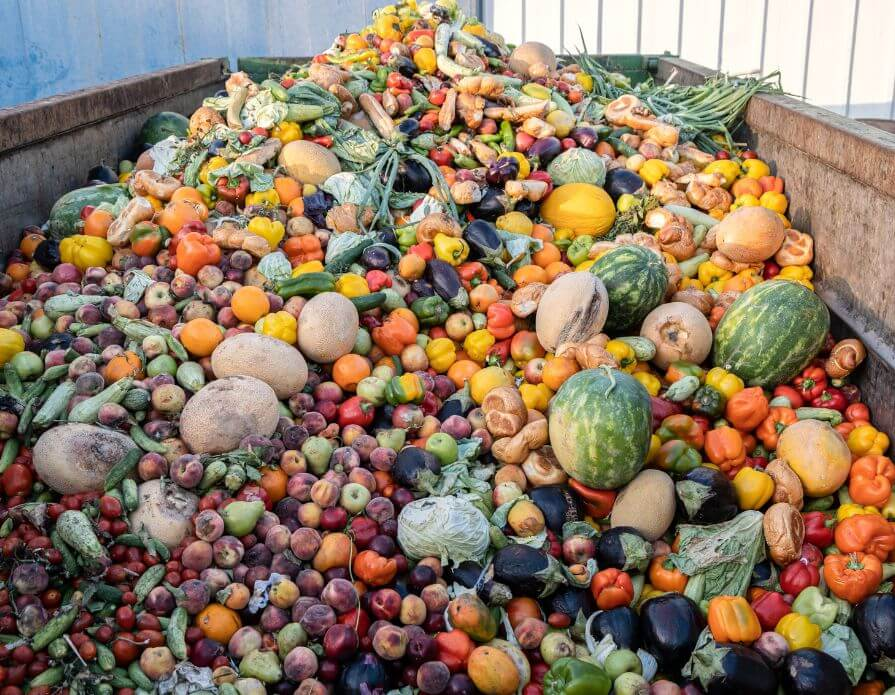
Lesotho speaks often about food security, yet far from policy rooms and conference halls, the country is bleeding food after it has already been grown. The loss does not happen during planting or harvesting. It happens in the quiet hours after crops leave the soil. Post-harvest losses have become one of the most underestimated threats to Lesotho’s ambition to one day become a net producer of the food it consumes.
Across farming communities, the story repeats itself. Vegetables harvested in the morning are stacked under the sun by midday. By evening, prices have collapsed or produce has already begun to spoil. Farmers who have done everything right in the field find themselves punished at the point of sale. What should be a moment of reward turns into a scramble to avoid total loss.
The problem is not that Lesotho cannot grow food. The problem is that it cannot keep it.
For perishable crops such as leafy greens, tomatoes, cabbage and potatoes, time is unforgiving. Without cold storage, pack houses or organised transport, farmers must sell immediately, regardless of market conditions. When supply is high, prices fall sharply. When supply is low, shelves are filled with imports. The local farmer absorbs the loss either way.
This fragile system quietly undermines confidence in agriculture. Each season of losses discourages farmers from expanding production. Some reduce planting. Others abandon horticulture altogether. Young people watching this instability draw a simple conclusion that farming is too risky to be worth the effort.
The country then finds itself in a cruel cycle. Domestic production exists but remains unreliable. Imports rise to fill the gaps. Prices stay vulnerable to external shocks. Meanwhile, locally grown food continues to rot before it reaches consumers.
At the heart of this crisis lies infrastructure that stops at the farm gate. Support to agriculture in Lesotho has focused heavily on inputs and training, yet far less attention has been paid to what happens after harvest. Cold rooms are scarce. Rural feeder roads remain poor. There are few aggregation centres where produce can be graded, stored and marketed collectively. Processing facilities that could absorb surplus production are largely absent.
Without these systems, farmers carry all the risk while value quietly leaks out of the economy.
Institutions such as the Ministry of Agriculture and Food Security continue to emphasise production targets and self-sufficiency. But increasing production without addressing post-harvest losses only increases waste. More food grown without systems to preserve it simply means more food lost.
The dominance of imported produce on Lesotho’s shelves is often blamed on scale and pricing. What is less acknowledged is the power of systems. In neighbouring markets, cold chains, logistics and contracts reduce losses and stabilise supply. In Lesotho, farmers compete against this without the tools to protect their harvest.
The result is predictable. Local produce becomes seasonal and inconsistent. Imports appear cheaper and more reliable, even when they travel hundreds of kilometres to reach local markets.
Post-harvest losses do not make headlines like droughts or subsidies. They unfold quietly, crate by crate, season by season. Yet their cumulative impact is devastating. They drain farmer incomes. They weaken rural economies. They erode national food security without drawing public attention.
This is why post-harvest loss is a silent killer. It does not destroy crops in the field. It destroys confidence, investment and long-term viability.
Lesotho does not lack land or farmers. It lacks a serious commitment to storage, logistics and market coordination. Until these gaps are addressed, the country will continue importing food it already grows and wasting food it claims to value.
Food security is not only about producing more. It is about protecting what has already been produced. Until that truth is confronted, Lesotho’s ambition to feed itself will remain just that, an ambition rather than a reality.