



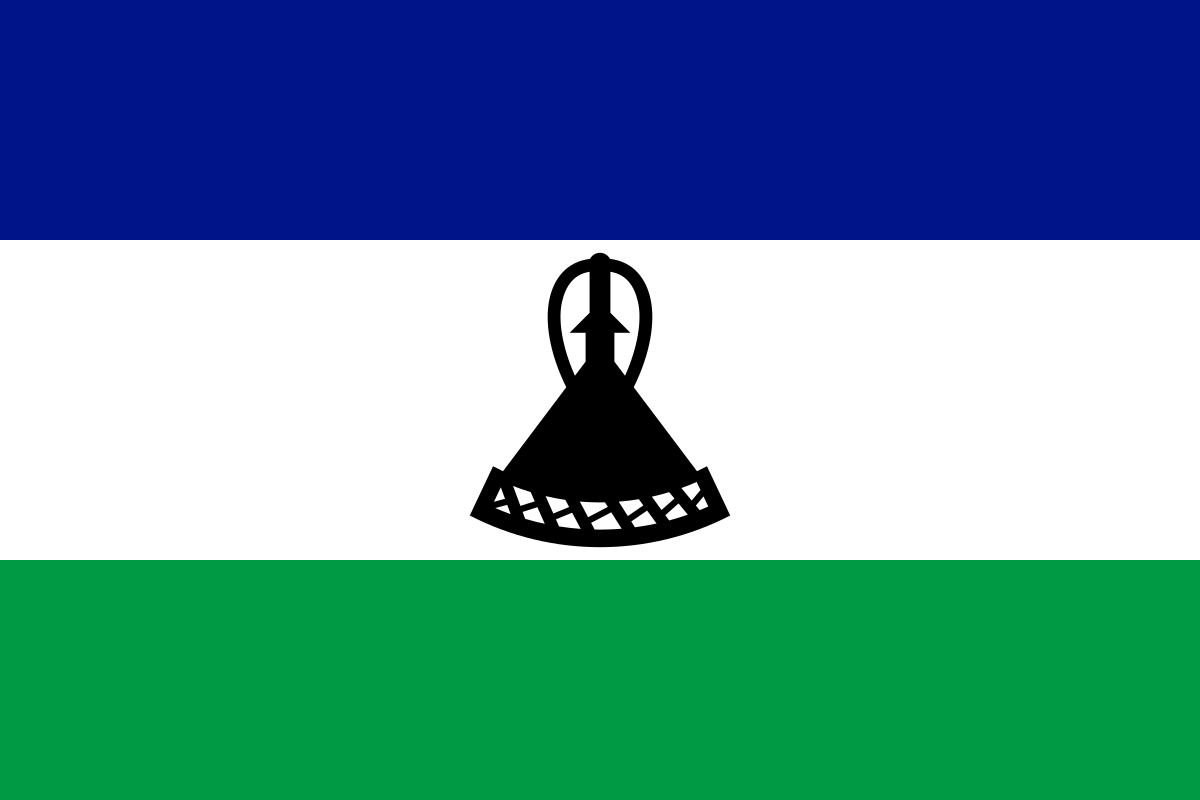
Lesotho has been elected among 21 countries to serve as Vice President of the 80th Session of the United Nations General Assembly, joining fellow newcomers such as the Democratic Republic of the Congo and Timor-Leste. The election took place in New York this week as the UN prepares to open its latest annual session. For Lesotho, a small mountain kingdom with limited global influence, the seat provides an important window to international diplomacy and decision-making.
The position of Vice President at the General Assembly is not ceremonial alone. The Assembly elects 21 Vice Presidents at the start of each new session. Five seats are automatically taken up by the permanent members of the UN Security Council; China, France, Russia, the United Kingdom, and the United States. The remaining positions are distributed among regional groups to ensure balanced geographic representation. Vice Presidents preside over plenary meetings when the President of the General Assembly is absent. They also participate in procedural decisions, ensuring that the Assembly’s work continues without interruption. The role therefore provides smaller nations like Lesotho with visibility in the complex machinery of multilateral diplomacy.
Vice Presidents are chosen through a straightforward process of nomination by regional blocs, followed by confirmation by the Assembly. African states nominate a set of candidates, as do Asia-Pacific, Eastern Europe, Latin America and the Caribbean, and Western Europe and others. Once nominated, the entire Assembly adopts the list without controversy, as the outcome is usually settled by consensus well in advance. This method of appointment dates back to the early years of the UN, designed to balance influence among global powers while keeping space for smaller states to occupy leadership positions. While the General Assembly Presidency rotates each year between regional groups, the Vice Presidencies offer broader participation and a chance for countries of varying size to play a formal role in the conduct of global debate.
For Lesotho, this election does not translate into veto power or a decisive voice over substantive resolutions. But it is a recognition of the country’s standing within the African group and an opportunity to be seen on the world stage. In moments of procedural importance,such as managing debates, steering contentious agenda items, or ensuring order during plenary sessions. Lesotho will share the dais with some of the world’s largest powers.
In addition to Lesotho, the list of Vice Presidents for the 80th session includes Andorra, Argentina, Bangladesh, Cabo Verde, Kenya, Lebanon, Maldives, Montenegro, Saint Kitts and Nevis, Saudi Arabia, Tunisia, Venezuela, and others. Together with the five permanent Security Council members, these countries will form the 21-member Vice Presidency team supporting the General Assembly President throughout the year.
The practice of electing Vice Presidents underlines one of the UN’s core principles: the sovereign equality of all member states. By rotating such positions, the Assembly ensures that both powerful and small nations share responsibility for the smooth running of its work. Lesotho’s election continues that tradition, situating the country within the highest procedural tier of the UN’s main deliberative body.