



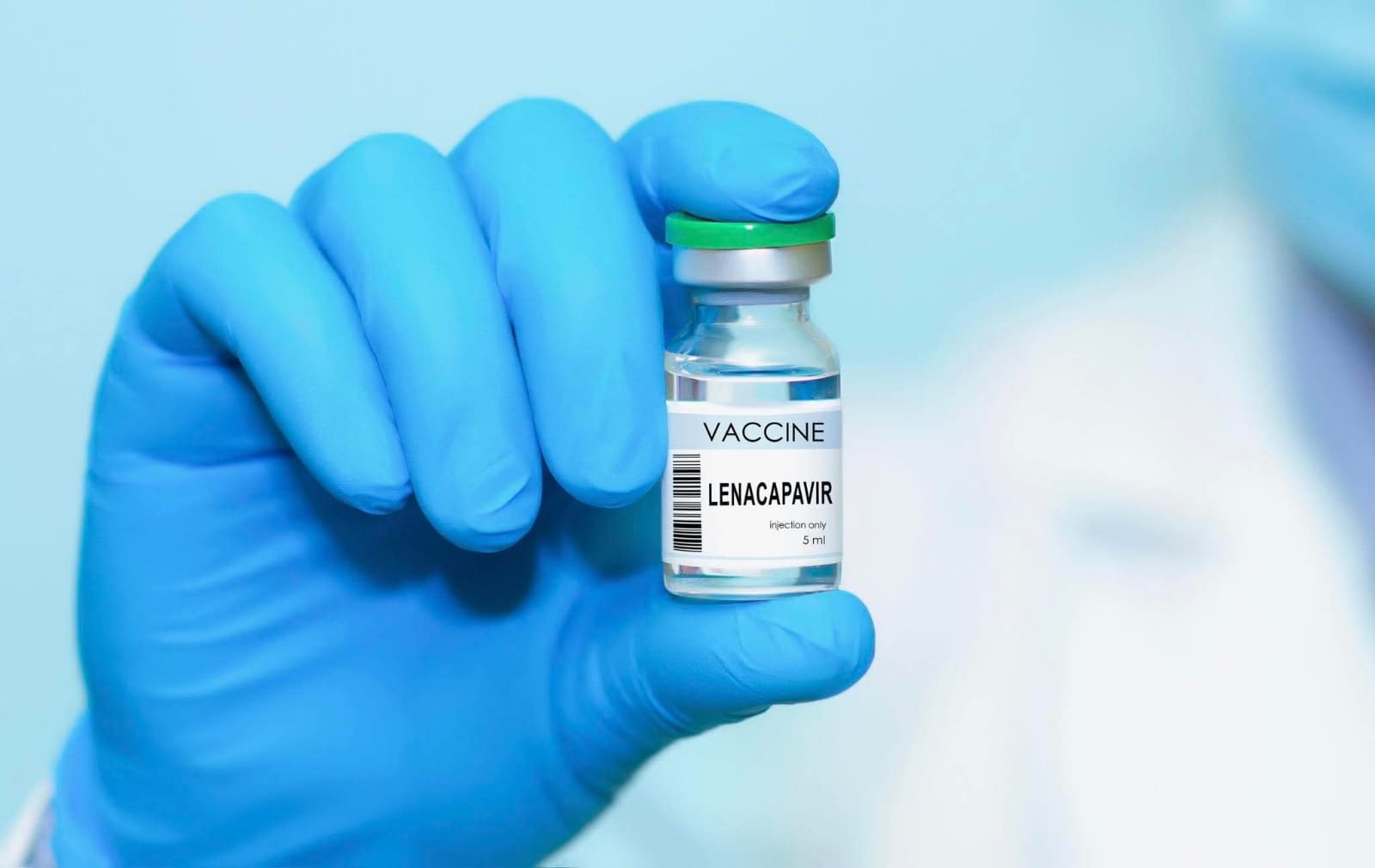
MASERU – Lesotho could soon introduce Lenacapavir (LEN), a breakthrough long-acting HIV prevention injection, in a major step toward ending new HIV infections and achieving epidemic control by 2030.
The Ministry of Health has formally proposed the rollout of Lenacapavir to Cabinet, positioning the twice-yearly injectable drug as a critical addition to Lesotho’s HIV prevention strategy. If approved, the initiative would strengthen the country’s already strong HIV response and help close persistent prevention gaps.
Lesotho’s HIV Success Story Faces Prevention Gap
Lesotho remains one of the global leaders in HIV treatment and control, having surpassed the ambitious UNAIDS 95-95-95 targets ahead of schedule.
According to the latest figures released in December 2024:
• 97% of people living with HIV know their status
• 97% of diagnosed individuals are receiving treatment
• 99% of those on treatment have achieved viral suppression
This progress has resulted in an 87% reduction in new HIV infections, placing Lesotho among the best-performing countries globally in HIV treatment outcomes.
However, the Ministry of Health warned that Pre-Exposure Prophylaxis (PrEP) uptake remains at only 43%, significantly below national targets. This shortfall highlights the urgent need for more convenient, accessible, and stigma-free HIV prevention options.
What is Lenacapavir and Why It Matters
Lenacapavir is a long-acting injectable HIV prevention medicine administered just twice a year, offering a powerful alternative to daily oral PrEP pills.
The drug works by interrupting key stages of the HIV lifecycle, preventing the virus from establishing infection.
Health officials say Lenacapavir offers several critical advantages:
• Eliminates the need for daily pills
• Requires only two clinic visits per year
• Provides discreet protection, reducing stigma
• Improves adherence among high-risk populations
“Lenacapavir is a new, long-lasting and powerful tool to prevent HIV infection,” the Ministry of Health said in its submission, adding that the drug could significantly accelerate Lesotho’s progress toward eliminating HIV as a public health threat.
WHO Approval and Global Support Strengthen Rollout
The World Health Organisation has recommended Lenacapavir following extensive clinical trials confirming its safety, effectiveness, and quality.
The injection is considered safe for:
• Pregnant women
• Breastfeeding mothers
• HIV-negative individuals at high risk of infection
Lesotho expects to receive initial Lenacapavir consignments through support from the Global Fund and the United States Department of State, reinforcing international backing for the country’s HIV elimination strategy.
National Rollout to Begin with High-Risk Districts
The Ministry of Health plans to implement Lenacapavir in three phases over approximately 27 months to ensure nationwide coverage.
Phase One, scheduled to begin as early as March, will target:
• 50 high-volume, high-prevalence health facilities
• Coverage across all 10 districts
The phased rollout will allow health authorities to scale up gradually while building public awareness and ensuring effective implementation.
Government Investment Critical for Long-Term HIV Elimination
Despite donor support, the Ministry has emphasised that domestic funding will be essential to sustain Lenacapavir access in the long term.
Cabinet approval is being sought to:
• Secure national procurement funding
• Expand community awareness campaigns
• Increase prevention uptake
• Strengthen partnerships with global and local health organisations
A Turning Point in Lesotho’s Fight Against HIV
The introduction of Lenacapavir could mark a historic turning point in Lesotho’s HIV response, positioning the country to become one of the first in the world to achieve zero new HIV infections.
With one of the highest HIV prevalence rates globally, Lesotho’s success could also serve as a model for other countries battling the epidemic.
If implemented successfully, Lenacapavir may transform HIV prevention from a daily burden into a twice-yearly intervention, bringing the goal of ending HIV within reach.