

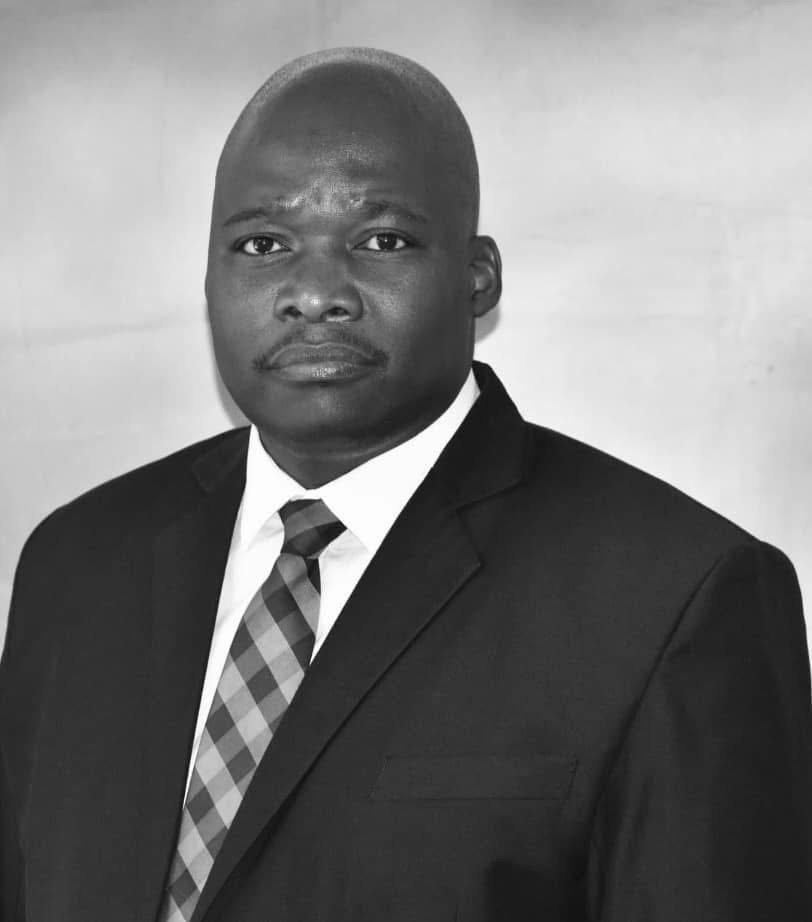
The Lesotho Electricity and Water Authority is facing a governance crisis that is once again testing the credibility of regulatory institutions in Lesotho. In a matter of weeks, two senior board members have been dismissed by the Acting Minister of Energy, Hon. Mohlomi Moleko. The latest to be fired is board member Khotso Masheane, whose social media post was cited as the reason for his removal.
On 4 August 2025, Moleko issued a termination letter to Masheane, accusing him of undermining the collective responsibility expected of board members. The letter referred specifically to a Facebook post in which Masheane reflected on why some boards succeed while others fail. He wrote that many boards have the same structures and systems, but their outcomes differ due to the people who serve on them. According to Masheane, success often depends on the courage and moral character of board members, not just their academic qualifications.
In one part of the post, Masheane said, “Boards of failed companies are often full of agreeable professionals who nod along just to keep the peace.” Although he did not name anyone or refer to LEWA directly, the Minister viewed the statement as a veiled criticism of recent decisions made at the board level, particularly the earlier dismissal of chairperson Makotoko Makotoko. Moleko described Masheane’s comments as damaging to the integrity of the institution and incompatible with the standards required of those in regulatory governance.
Masheane’s firing has triggered widespread debate in Lesotho. Some see it as an example of government silencing critical voices within oversight institutions. Others argue that board members must maintain discipline and unity, especially when speaking publicly about internal affairs. Regardless of where one stands, the events unfolding at LEWA have exposed several underlying issues that reflect poorly on the governance landscape.
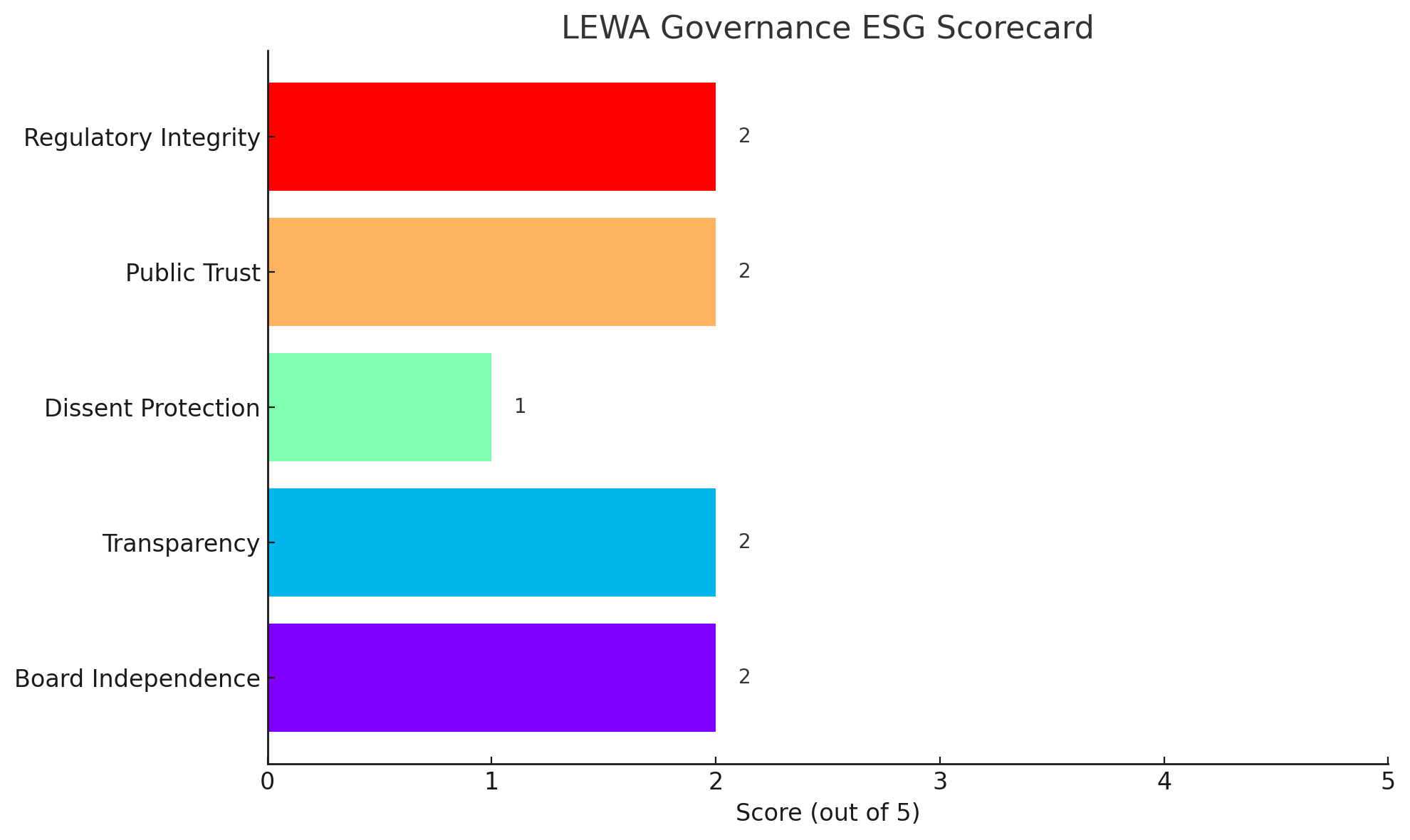
The first concern is the lack of board independence. The removal of two senior members in such a short time suggests that the board may not be free to exercise its duties without political interference. If boards are subject to swift reshuffling based on individual opinions or public statements, their ability to provide oversight is severely weakened.
Second, the incident reveals a worrying intolerance for internal dissent. Masheane did not disclose confidential information or target anyone personally. His remarks were general reflections on governance and leadership culture. Removing him from the board over such commentary sends a message that constructive criticism will not be tolerated, even when delivered respectfully and without naming anyone.
Third, the absence of transparency around these decisions is damaging public trust. There has been no formal public explanation from the Ministry beyond the letters of termination. LEWA is a key regulatory body in charge of vital public utilities. The way its board is managed should meet the highest standards of openness and accountability.
Fourth, there is growing concern that the boundary between ministerial oversight and overreach is becoming increasingly blurred. The Energy Minister claims to be protecting institutional integrity, but many observers see these actions as punitive and heavy-handed. A regulatory board should be a space for debate, independent thinking, and robust decision-making, not a rubber stamp for executive preferences.
Finally, the reputational risk is considerable. Public confidence in institutions like LEWA depends on the perception that decisions are made in the public interest and not under political pressure. When that confidence is lost, it becomes harder to attract capable professionals to serve on boards, and even harder to implement reforms that require trust and buy-in from multiple stakeholders.
The LEWA situation speaks to a broader problem in Lesotho’s public sector governance. It raises uncomfortable questions about how appointments are made, whether integrity is truly valued, and how dissent is handled in spaces that should be grounded in transparency and collective accountability.
For those applying an ESG lens, this case highlights serious deficiencies in the governance pillar. There are questions about institutional independence, freedom of expression for board members, and the overall culture of oversight within state-owned entities. These weaknesses pose long-term risks to effective regulation and investor confidence.
Unless structural reforms are introduced to insulate boards from political pressure and encourage transparency, Lesotho’s efforts to build resilient, accountable public institutions will remain stalled. The events at LEWA are not isolated. They reflect a systemic fragility that needs urgent attention from both government and civil society.