



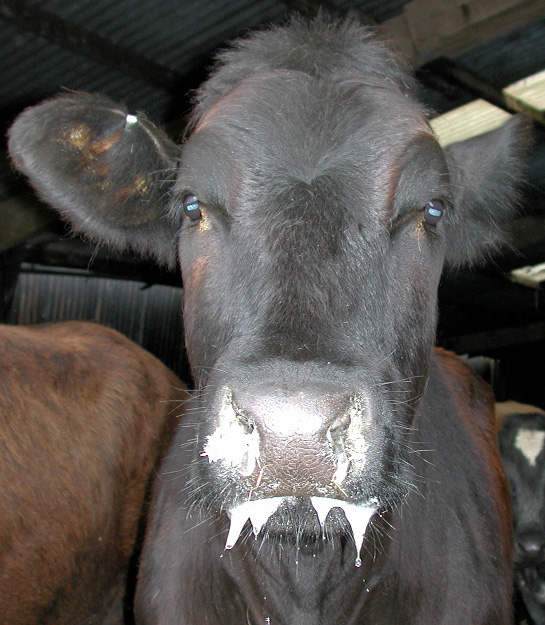
Lesotho has not had a recorded case of Foot and Mouth Disease (FMD)– a transboundary threat to livestock, rural livelihoods and cultural heritage- within its borders for some time.
However, with the proximity of FMD, prevalent in some Provinces of South Africa, the government is actively working to prevent an outbreak which is considered a significant threat to the country’s livestock.
To prepare for this fight, the Ministry of Agriculture, Food Security and Nutrition, through its Department of Livestock and Animal Health Services hosted a meeting this week to establish a Foot and Mouth Disease Multi-Sectoral Task Team to monitor the disease.
This meeting focused on strengthening government strategies in the help to fight the disease while also preparing farmers and stakeholders alike for its break since its widespread has been reported in the neighbouring country’s provinces.
Before the formation of the task team, surveillance activities were carried out in districts like Quthing in the previous year to gather data and maintain the country’s FMD-free status declaration.
The country’s veterinary doctors were then commended for ensuring Lesotho remains free from the disease.
However, officials have expressed concern over the high risk of FMD entering the country due to its geographical location, cross-border movement of unregistered livestock, often due to theft and ongoing FMD outbreaks in the Free State.
The ministry and its partners were therefore called to action to put together prevention strategies and strengthen regional disease monitoring mechanisms.
Speaking at the meeting, the Director General of the Ministry of Agriculture, Dr Relebohile Lepheana, explained that FMD is a highly contagious disease, famous among cattle, sheep and goats.
However, there has never been a report of the disease in quite a while in the country, but this, she alarmed, although can be regarded as an achievement, does not mean Lesotho is immune to the disease.
“The country remains at high risk because of cross-border movement of unregistered livestock,” she warned.
If the task team is slow to work and the disease successfully made its way into the country, Dr Lepheane warned of a couple of potential consequences that may arise including the loss of access to wool and mohair markets and the high costs associated with disease control, vaccination, movement restrictions and quarantine measures.
She therefore urged Basotho to adhere to measures that have been put together to regulate the importation of susceptible animals.
She also urged the ministry to conduct rapid livestock assessments, establish animal protection zones and ensure the availability of contingency plans for everyone.
The newly found task team has been tasked with an important job of strengthening national coordination, prevention and preparedness efforts of the disease and the ministry vowed to stay commited to safeguarding technical and animal health standards while supporting the enforcement of animal movement controls.