


The Ministry of Health and the World Health Organisation joined forces to train journalists in reporting factual, science-based health stories, warning that misinformation spreads faster than disease itself.
MASERU — The Ministry of Health and the World Health Organisation (WHO) joined forces on Monday to train journalists in reporting factual health stories in Maseru. The one-day workshop taught reporters how to share health news that is true, clear, and based on science.
The training was called “Reporting Health Right: Standing with Science.” Reporters from across media platforms, including radio, television, newspapers and online news sites, came to learn.
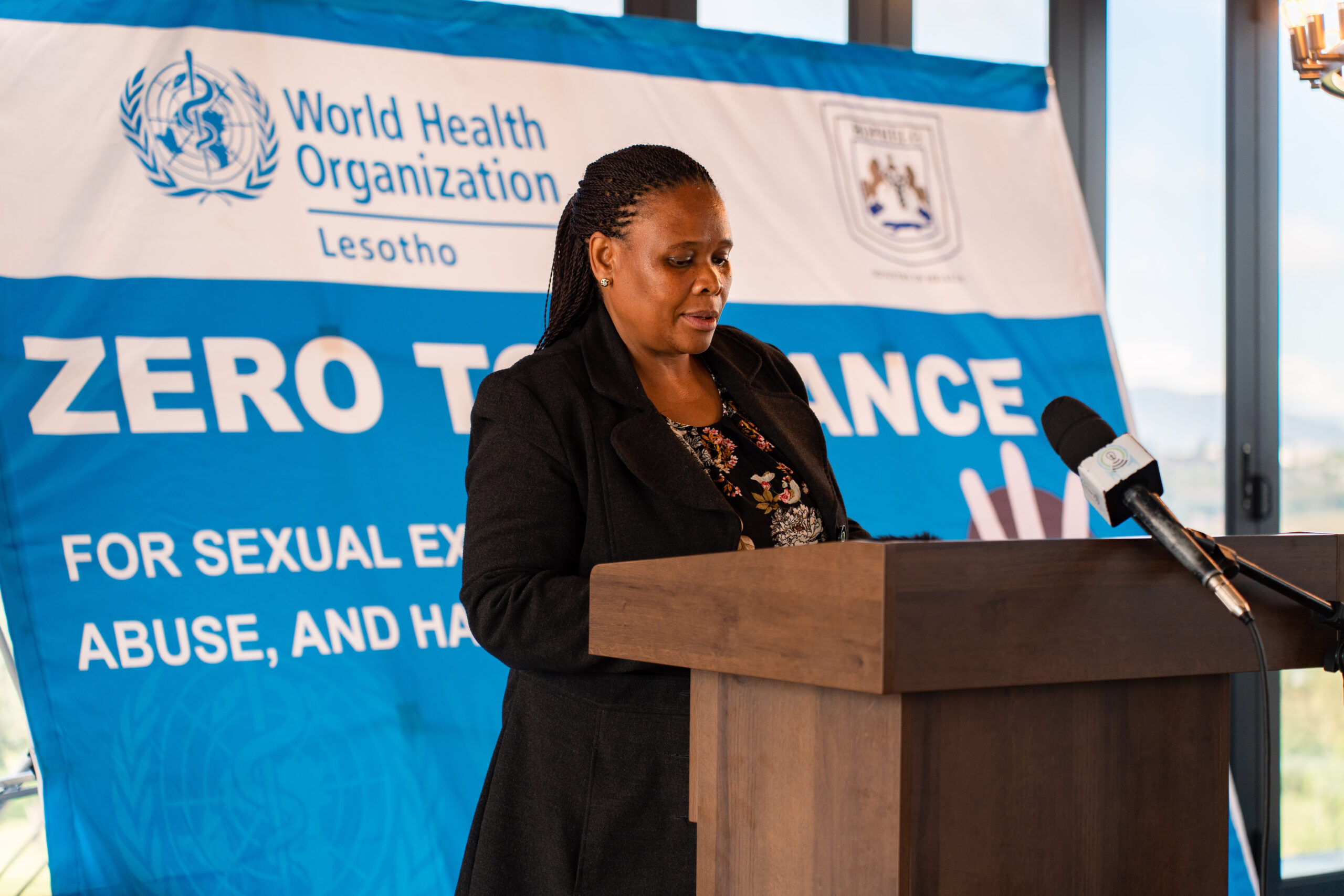
Acting Principal Secretary for Health, Mats’oanelo Monyobi, said World Health Day is a time to remind everyone to stand with science. This means trusting facts and working together to protect the health of people, animals, plants, and the planet.
Monyobi said good communication is just as important as a doctor’s skill. “The world is changing fast,” she said. “Health issues can be hard to understand and journalists must learn to explain them in a simple, honest way.”
She added that no health success happens alone. Scientists, doctors and nurses must work as a team, and the media is part of that team. Monyobi urged reporters to help people see why trust, teamwork and shared knowledge save lives.
“Facts do not speak for themselves. Facts need you to tell their story.”
Dr. Innocent Nuwagira · WHO Country RepresentativeWHO country representative Dr. Innocent Nuwagira gave a strong message to the journalists and called them “frontline health workers.” He said a good report can save lives, while a bad report carrying wrong information can cause real harm.
He asked reporters to exercise great care when writing about serious health topics, citing the effectiveness of HIV medicine in babies and new methods of testing for cervical cancer as examples where accuracy is critical.
Dr. Nuwagira warned that false information is dangerous. Lies about vaccines and cancer spread faster than the diseases themselves, and such misinformation can frighten people and stop them from seeking treatment. His advice was clear: always check facts with experts, explain risks calmly, and stand firm for the truth even when it is not popular.
Director of Health Services, Dr. Llang Maama, also addressed the training. She said no country can fight large health problems alone. Diseases, climate change and sickness from animals do not stop at borders.
“We must all work together,” Dr. Maama said. “Governments and health groups must use science and real data to make decisions.” She called for more medicine and health plans grounded in research and trusted facts.
Dr. Maama spoke about the concept of “One Health,” the principle that human health, animal health and the health of the environment are all connected. If animals get sick, people can get sick too. If the planet is harmed, our health suffers. She said scientists across disciplines must work together to solve these problems.
One reporter at the workshop reflected on the responsibility the training had clarified. “We learned that we have a big duty. People trust what we write. If we get it wrong, someone might not get the help they need. If we get it right, we can help save a life.”
The Ministry of Health and WHO said they will conduct further trainings of this kind. The aim is to close the gap between scientists and the public, and to ensure that everyone in Lesotho receives health news they can trust.
“`