



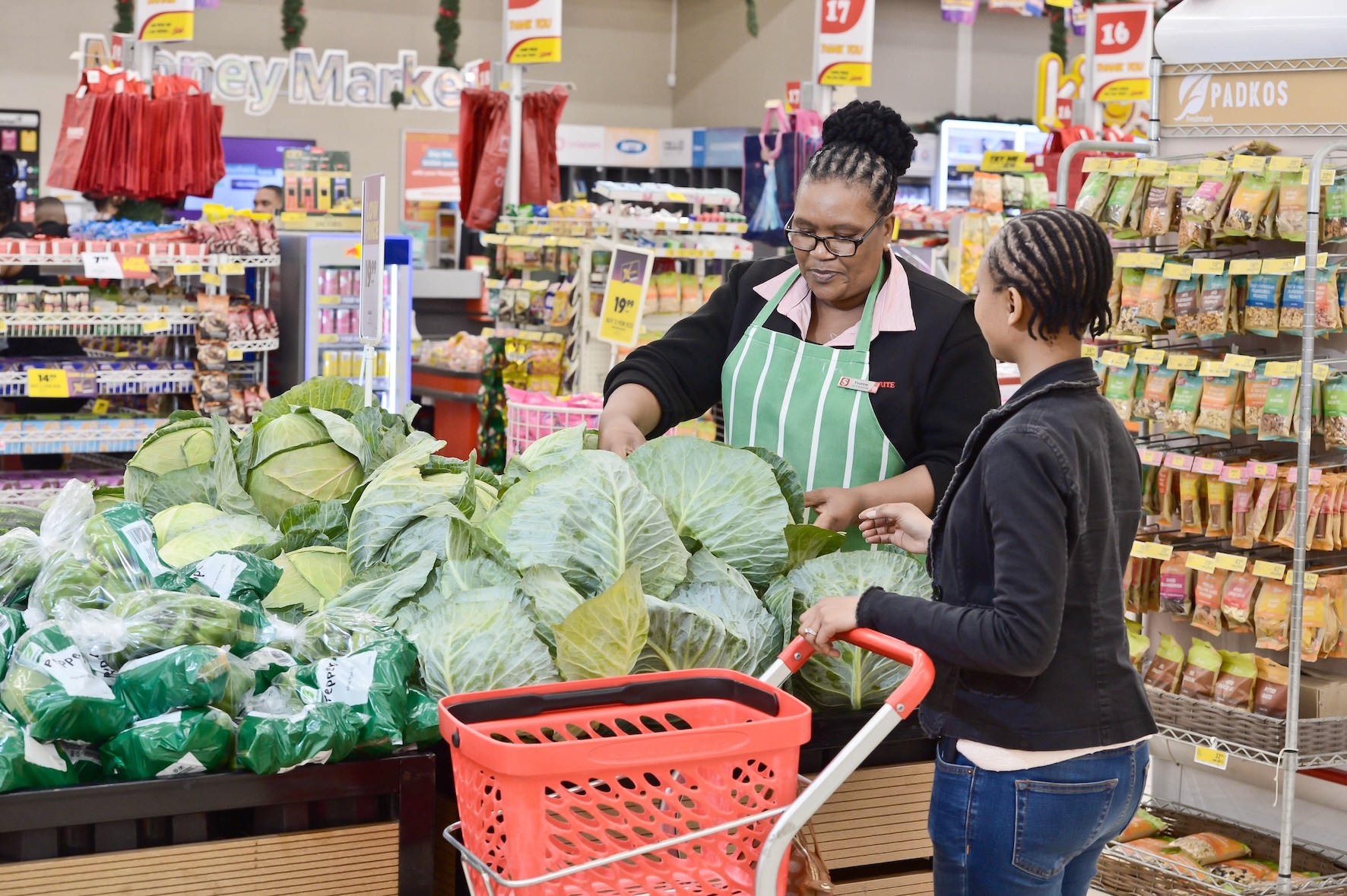
Cabbage has worn many hats over the centuries. A wartime lifesaver. A symbol of endurance. Even a term of affection in France. Yet in South Africa, it is something simpler and more profound — a daily staple that fills plates, nourishes families, and stretches household budgets when times are tight. And Shoprite, Africa’s largest food retailer, has quietly decided that this humble vegetable deserves protection.
The quiet subsidy behind the green leaves
Over the past two and a half years, the Shoprite Group has been investing millions to keep cabbage affordable for its customers. Between June 2024 and July 2025 alone, the Group spent R24 million subsidising cabbage prices across its stores.
That investment ensured that a head of cabbage cost no more than R12.99 at Usave and R14.99 at Shoprite, even when the wholesale price climbed to R25 during the year. In some outlets, shoppers paid even less. It was a deliberate move to shield consumers from market volatility and preserve one of the country’s most accessible sources of nutrition.
A South African staple worth defending
Cabbage is not just another vegetable lining supermarket shelves. It is a food of history and endurance. During the Second World War, it was cultivated in “Victory Gardens” because it was easy to grow, survived harsh conditions, and provided essential nutrients when meat and other staples were scarce.
Decades later, its role has not changed much. It remains rich in vitamins C and K, fibre, antioxidants, and minerals — a nutritional powerhouse that can feed a family for a fraction of the cost of other produce. It is also one of the few vegetables that thrives across South Africa’s diverse climates, from the subtropical soils of Limpopo to the temperate plains of the Western Cape.
Because of this adaptability, cabbage has become an anchor of informal food markets and backyard gardens. It is, in many ways, the people’s vegetable — resilient, abundant, and quietly powerful.
Why Shoprite took the initiative
South Africa produced more than 160,000 tons of cabbage for the formal market in 2024, with far more grown by smallholders and informal producers. But abundance does not always guarantee affordability. Rising input costs — fuel, fertiliser, water, and transport — have made it difficult for farmers and retailers to keep prices low.
Shoprite’s intervention through price capping was not merely a commercial decision. It was a social one. By absorbing part of the cost, the Group ensured that millions of families could still put fresh vegetables on their tables without sacrificing quality or nutrition.
“Cabbage is an integral part of many South African diets. It is resilient, nutritious, tasty, and familiar. By keeping it affordable, we are investing in food security, dignity, and health for millions,” says Quintin Paladin, General Manager: Freshmark & Fresh Foods.
Beyond the checkout counter
In a country where food insecurity remains a pressing concern, Shoprite’s R24 million subsidy may seem small in the scale of national economics, but it represents a profound statement of intent. It reflects an understanding that sustainability is not only about supply chains and logistics — it is about people.
By ensuring that the price of cabbage stays within reach, Shoprite has reaffirmed its role not just as a retailer but as a participant in South Africa’s broader food security ecosystem. The result is both practical and symbolic: a simple green vegetable standing at the intersection of commerce, nutrition, and dignity.
And perhaps that is the real story — that sometimes, doing something extraordinary for millions can start with something as ordinary as a cabbage.