


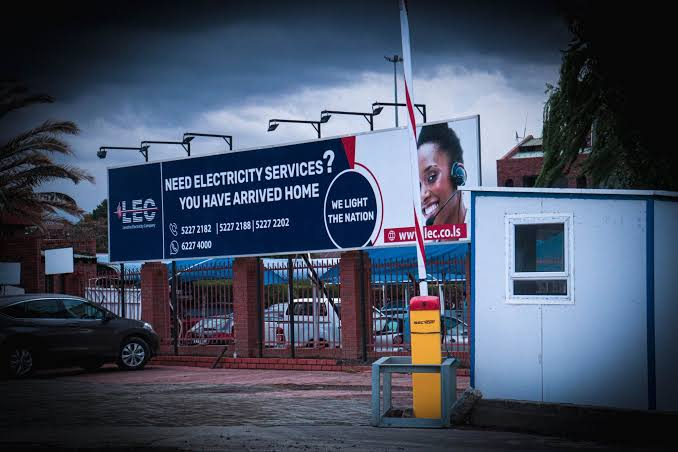
When a company fires its acting Managing Director in the morning and reappoints him to the Board by evening, one must wonder if Lesotho Electricity Company (LEC) is running a power utility or a circus.
Corporate governance, at its core, is meant to enforce accountability, clarity of roles, and separation of powers. Yet, in LEC’s latest episode, those principles appear to have been tripped, electrocuted and left smoking. The absurdity of dismissing an individual for alleged misconduct while simultaneously entrusting him with board-level oversight responsibilities is not just poor optics…it’s governance malpractice.
Governance Gone Rogue
Under standard corporate governance norms, the Board is the ultimate custodian of oversight and is supposed to hold executives accountable. But how can one credibly dismiss an executive for alleged misdeeds and then vest him with direct oversight powers as a director? This is not just bad optics. It undermines the logic of separation of power, checks and balances, and accountability.
King IV is instructive here. Principle 10 of King IV holds that “the appointment of, and delegation to, management contribute to role clarity and the effective exercise of authority and responsibilities.” If one is dismissed for mismanagement, appointing that same person to the Board collapses role clarity entirely.
Moreover, Principle 7 demands that the governing body comprise “the appropriate balance of knowledge, skills, experience, diversity and independence” to discharge its role objectively and effectively. By folding a dismissed executive back into the oversight body, LEC undermines that balance and injects a conflict of interest into the very structure meant to supervise him.
ESG Implications
Governance:
If governance is powerless to enforce its own standards, investors and stakeholders must question whether the “G” in ESG is just window dressing. This move signals that balance and accountability are fungible, subject to internal politics.
Social:
Public trust is not unlimited. When state institutions behave as though their leadership is above reproach, the social contract frays. LEC’s customers, employees, and civil society observers will see a utility that protects insiders rather than serving the public interest.
Environmental:
While this is not an environmental scandal per se, weak governance infects everything. The utility charged with advancing energy access, grid expansion, renewable integration, and climate resilience will lose credibility and may falter in delivering on those environmental objectives.
Final Irony
Let’s call it for what it is: a governance farce masquerading as institutional continuity. If King IV means anything, it demands clear accountability, role distinction, independent oversight, and ethical leadership. By firing and then elevating the same individual into oversight, LEC betrays those principles.
If governance were electricity, LEC would be in total blackout.