



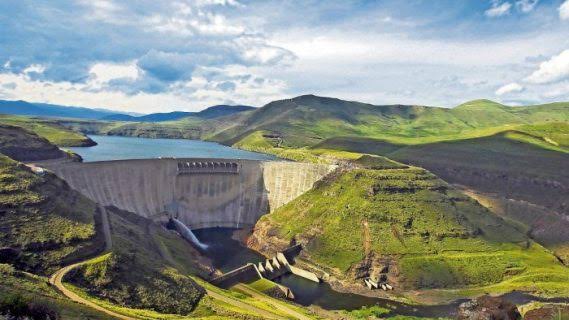
In the heart of Lesotho’s development landscape stands the Lesotho Highlands Development Authority (LHDA), a structurally born of ambition, strategic partnership, and promises of national prosperity. Yet, beneath the surface of its capital projects lies a troubling paradox: the subordination of constitutional human rights to corporate policy.
The LHDA operates under a corporate framework that treats the state and its indigenous peoples as stakeholders of varying privilege, not as bearers of inviolable rights. Its operational policies often drafted in alignment with international partners and financiers have created an ecosystem where “policy compliance” is exalted above constitutional fidelity. The language of human rights is replaced by that of “corporate procedure,” “project compliance,” and “mitigation frameworks.”
Well, in practice around early 2000s, this has led to communities being displaced, livelihoods disrupted, and environmental damages excused under the rhetoric of “national interest.” Compensation becomes conditional, consultation becomes tokenistic, and constitutional rights, to property, dignity, and justice are reduced to bureaucratic checklists.
The judiciary, which should stand as the last bastion of constitutional protection, has increasingly failed to draw the line between what is lawful and what is merely policy-compliant. Court rulings in disputes involving LHDA have too often leaned toward procedural regularity rather than substantive justice. In some cases, judges appear more persuaded by the technical documentation of corporate lawyers than by the lived realities of affected citizens. This perpetuate a once beautiful project to be a LULU (Locally Unwanted Land Use because now it has become a socially contested development which is assumed to abuse the rights of the indigenous people.
This judicial timidity stems from a deeper structural problem, the inability or reluctance to assert constitutional supremacy over parastatal authority. When courts begin to interpret corporate conduct through the lens of institutional convenience rather than constitutional command, justice ceases to be the guiding principle of governance. It becomes a negotiation between legality and legitimacy, a dangerous equilibrium for any democracy. Maybe it needs to be reminded that it is in the business of saving lives.
If this trajectory persists, capital projects themselves may soon become persona non grata in Lesotho. Public resentment is growing as citizens witness the displacement of entire communities and the marginalization of local voices under the banner of development. Structural incompetence within both LHDA and the state oversight mechanisms has led to delayed compensations or once off compensation, environmental mismanagement, and inconsistent accountability. Project growth must be incorporate the livelihood of the resettled citizens: this means, as long the project lives, the custodians of that project will continue to benefit if the project sustains. Now, the narrative of development has been hijacked by institutional arrogance and bureaucratic self-preservation. The very projects meant to uplift the nation are now perceived as instruments of dispossession. If citizens begin to view these projects as threats rather than opportunities, the legitimacy of state-led development will collapse further than it is currently.There is still time to rectify the administrative missteps.
For this, the judiciary must reclaim its constitutional authority. It must distinguish policy from principle, discretion from right, and administration from justice. Parliament, too, must assert oversight through legislative reforms that align corporate governance with constitutional imperatives. Lesotho stands at a crossroads. It can continue the path where corporate policy dictates constitutional meaning, or it can reaffirm that no institution however powerful is above the Constitution. The survival of both justice and development depends on that choice of people first development and vice versa.