



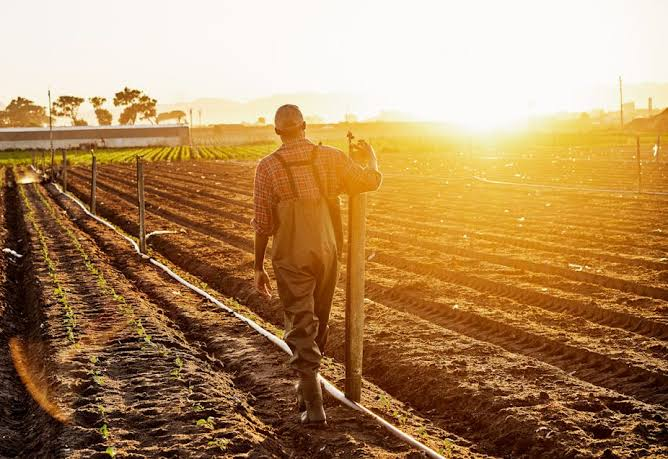
The announcement by U.S. President Donald Trump of a 30% tariff on South African goods and produce entering the United States from 1 August 2025 is deeply troubling. The economic consequences of this decision could be widespread and severe.
While not explicitly stated, this move may signal the effective end of South Africa’s participation in the African Growth and Opportunity Act (AGOA), which currently allows duty-free access for over 6,000 products, including automobiles, agricultural goods, and textiles.
Thousands of South African exporters, across farming, manufacturing, mining, and other sectors are now facing profound uncertainty. The impact on jobs and livelihoods could be devastating, particularly in a country already burdened by one of the highest unemployment rates in the world. Billions of rands in export revenue are at stake.
Given the potential fallout, South Africa must now accelerate urgent economic reforms that strengthen resilience, protect jobs, and position the country more competitively in the global marketplace.
Among these critical reforms are:
• Removing regulatory and infrastructure barriers to private sector participation in electricity generation and transmission
• Concessioning ports to improve logistics efficiency and reduce turnaround times
• Expanding private participation in freight rail, supported by investment in infrastructure and stronger security measures
• Reviewing property legislation to reinforce investor confidence and protect private ownership
• Reforming empowerment policies to more effectively tackle poverty and inequality
• Strengthening local government performance to improve service delivery and ensure financial accountability
• Taking decisive steps to combat corruption, which continues to undermine public trust and development
The brief extension granted, from 9 July to 1 August offers a narrow but vital opportunity to engage constructively and seek clarity from the United States. It is essential that this window is used wisely, with a focus on diplomacy, reform, and long-term economic stability.