



Hlalele ‘Neko
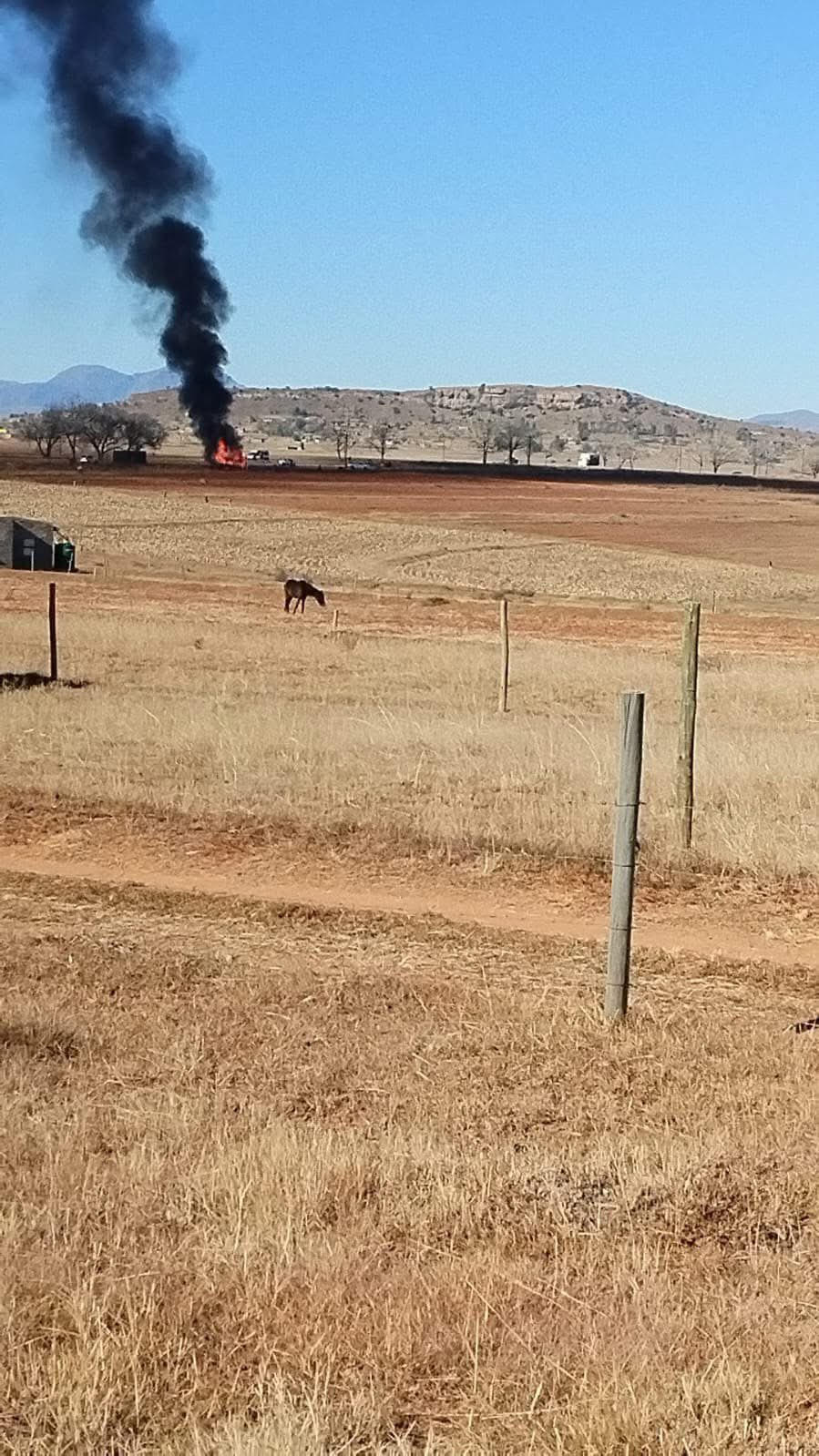
Eleven people are dead. They burned in a car crash in Kolonyama, Leribe. It’s hard to wrap your head around that—burned alive, on a public road, in a country with police stations and government departments and ministers.
Apparently, the crash involved three vehicles: a Sprinter minibus, a VW Polo, and a Corolla. The Sprinter was carrying young people headed to church in Maseru. That part sticks with me. They were going to church. Not that it makes the loss more tragic than any other, but still—something about the simplicity of that journey makes it hit harder.
Reports say nine people in the Sprinter burned to death. Two others from the Polo died on the spot. It happened at Ha Molipa, around 10 in the morning. A known black spot. Local people say it’s a place where accidents happen all the time.
So… if it’s so well-known, why does it keep happening?
The MP for the area, Lempe Mahlathini, said he’s been asking for speed humps. He even asked for pastors to come pray over the area. And I suppose that’s… I don’t know, kind? But is prayer really the answer when lives are being lost because of road design and poor enforcement?
I mean, think about it. What would’ve changed if speed humps had been installed two months ago? Would those eleven people still be alive? I can’t say for sure. No one can. But they’d have had a better chance, right?
And the response—this part gets under my skin. Witnesses say emergency services didn’t arrive in time. Firefighters? Nowhere. Ambulances? Delayed. The victims were just… left. People watched. I don’t blame the bystanders. What could they do? It’s the system that failed.
We don’t talk about fire response enough. It’s not something that comes up unless there’s a disaster. But this—this is exactly why it matters. There’s no reason people should die in a burning car because no one had a fire extinguisher. Or training. Or a working system to call for help.
And the scary part? This isn’t new. Lesotho’s emergency systems have been broken for years. Some towns don’t even have fire trucks. Others have trucks that work but no fuel. Or no staff. Or both. And if you live far from a district capital? You’re basically on your own.
There’s something else too, and maybe this is just me, but I’ve noticed we tend to move on quickly. It’ll trend on Facebook for a day. There’ll be calls for action. A press release, maybe. Then we’ll wait for the next crisis.
But shouldn’t this be the moment we stop doing that?
Speed humps won’t fix everything. Better signage, stronger policing, public awareness—all of it matters. But even those things won’t bring back the people who died.
So what do we do with that?
I guess I’m writing this because I don’t want to forget. And maybe you don’t either. Maybe next time you drive past that stretch of road, you’ll slow down. Not because it’s the law. But because you remember what happened.
And if you’re someone who works in government, or planning, or law enforcement, maybe you can do something about it.
Or maybe you won’t. That’s the part I’m still unsure about.