Mohahlaula Airlines
Wednesday, July 22, 2026
Home Blog Page 32

Roads Directorate Reports Road Milestones, Flags Internal Hurdles

0

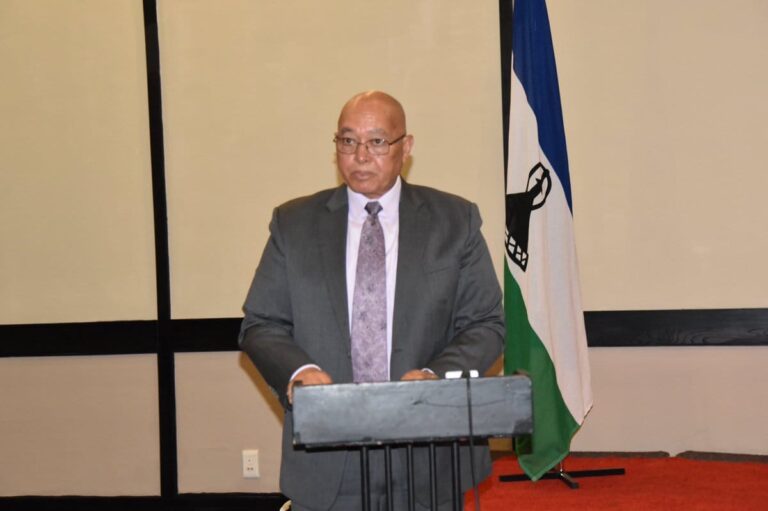
MASERU- The Roads Directorate (RD) has announced significant progress in road infrastructure development, with approximately 200 kilometres of paved roads completed, improving connectivity and transport efficiency across the country. This milestone was announced by RD Director General, Mr. Teboho Mokhoane, during a national stakeholder consultation workshop in Maseru.

The directorate has also made notable improvements in urban lighting, with around 1,600 functional street lights installed in major towns, including Maseru Urban, Teyateyaneng, Botha-Bothe, and Mafeteng. These installations are crucial for enhancing road safety and public security during night-time hours. Furthermore, the RD has constructed around 30 footbridges in rural villages, supporting safe pedestrian movement, particularly in areas prone to flooding.

Despite these achievements, the RD faces significant internal challenges, as outlined in its 2026-2031 Strategic Plan. The directorate is constrained by outdated design standards, weak ICT infrastructure, a non-functional monitoring and evaluation system, poor contract management, staff shortages, and slow internal processes, particularly in procurement and payments.

The workshop aimed to strengthen engagement with road users and development partners as the RD prepares to implement its strategic plan. Mr. Mokhoane emphasized the importance of collaboration and partnership in addressing the challenges facing the directorate.

Established under the Roads Directorate Act of 2010, the RD is responsible for planning, constructing, and maintaining Lesotho’s national road network. The institution has faced increasing demands to improve road quality, address climate impacts, and enhance safety across the country.

The RD’s efforts are critical to Lesotho’s economic development, as a well-maintained road network is essential for trade, commerce, and social development. The directorate’s commitment to transparency and accountability is commendable, and it is hoped that the challenges highlighted will be addressed promptly.

Court Pushes Healing After Uncle Admits Killing Nephew

MASERU-In a rare move aimed at repairing broken family ties rather than deepening punishment, the High Court has ordered a restorative justice process for a Berea man who admitted to killing his nine-year-old nephew, giving him a chance to rebuild relations with his family and community.

Tseko Koetle of Lekokoaneng Ha Tau pleaded guilty to culpable homicide that happened on the 23rd day of June 2019 causing death of the child. Instead of focusing only on imprisonment, the court has now directed that efforts be made to prepare both the accused and his relatives for reconciliation when he returns home.

Justice Tšeliso Mokoko called on the Lesotho Correctional Service (LCS), through its Rehabilitation Office, to facilitate the process. The aim, the court heard, is to prevent the accused from being rejected, attacked or ostracized after his release and to ensure that he is safely reintegrated into society.

The court was told that tensions between Koetle and his family have been severe since the incident.

Information placed before the judge revealed that shortly after his arrest in 2019, Koetle chose not to apply for bail. He allegedly received word that some family members were angry and might harm him if he returned home.

Because of the strained relations, he was also unable to attend his father’s funeral while in custody, further widening the emotional distance between him and his relatives.

The situation prompted the court to consider steps beyond the normal sentencing process.

Justice Mokoko said rehabilitation and reconciliation were important to avoid a scenario where the accused, after serving his sentence, faces revenge or permanent rejection from those closest to him.

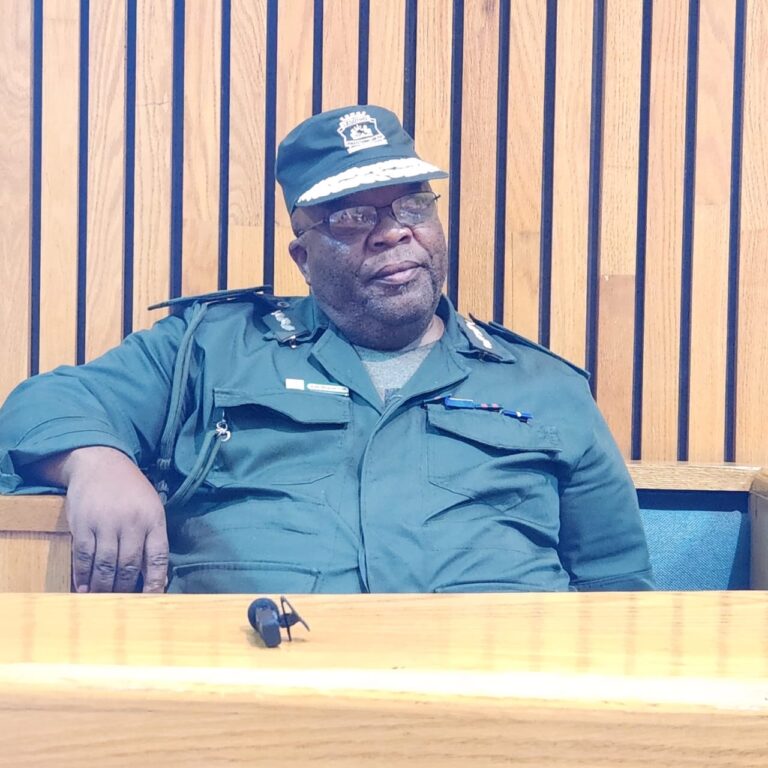
When summoned to address the court this week, Acting LCS Commissioner Matingoe Phamotse assured the judge that the service would do everything possible to carry out the restorative justice programme, despite limited resources.

He acknowledged, however, that the task would not be easy.

Phamotse expressed concern that officers assigned to engage the family and community might face resistance.

“There is a possibility that our Rehabilitation Officer could be rejected when going to the family and community to conduct research,” he indicated.

Even so, he committed to ensuring that attempts are made to open dialogue and prepare both sides for reconciliation.

Court records show that Koetle was 20 years old at the time of the incident.

Evidence presented revealed that the fatal assault occurred after he discovered that the young boy had lent someone a maize roasting pan without permission.

In what prosecutors described as a moment of anger, Koetle struck the child, causing injuries that later led to his death.

He was initially charged with murder.

However, following negotiations between the defence and the prosecution, a plea agreement was reached. He pleaded guilty to the lesser charge of culpable homicide, admitting responsibility for causing the child’s death without intent to kill.

The court subsequently convicted him on his own plea.

During sentencing, the judge took into account the time Koetle had already spent in custody while awaiting trial.

He has been behind bars since 2019.

Justice Mokoko sentenced him to eight years’ imprisonment. However, seven of those years were effectively deducted to account for the lengthy period he has already spent on remand.

As a result, Koetle is expected to serve only one additional year before becoming eligible for release.

The court said this made it even more urgent to address the broken relationship between the accused and his family.

Legal observers noted that without proper intervention, former inmates in similar circumstances often return to communities that are hostile or unwilling to accept them, increasing the risk of violence or reoffending.

By involving the Lesotho Correctional Service’s Rehabilitation Office, the court hopes to create dialogue, encourage forgiveness where possible, and promote peaceful coexistence.

Restorative justice focuses on repairing harm caused by crime through communication, accountability and reconciliation rather than punishment alone.

It often involves meetings, counselling and mediation between offenders, victims and families.

In this case, the goal is to ensure that Koetle’s eventual return does not trigger further tragedy.

The judge has directed that a preliminary report on the progress of the rehabilitation and reconciliation efforts be submitted on or before May 11, 2026.

The matter has been postponed to May 14, 2026, when the court will review the report and determine the next steps.

For now, the case stands as an unusual example of the justice system seeking not only to punish wrongdoing, but also to mend the deep personal wounds left behind.


Inheritance Act Review Underway: Minister Ramoeletsi Reveals Nationwide Public Feedback

MASERU – Minister of Law and Justice Richard Ramoeletsidisclosed during a press conference attended only by journalists at the Ministry of Law offices on 6 February 2026 that the Office of the Master of the High Court had conducted nationwide outreach to gather public views on the Administration of Estates and Inheritance Act, 2024.

The Minister Ramoeletsi stated that teams from the Master’s office travelled across the country, consulting communities on how the law benefits them and where it falls short. “The feedback was clear,” he said. “Most people raised complaints about aspects of the Act, particularly its practical impacts on families, costs, and traditional practices.” He emphasised that these widespread concerns have prompted action. “The law is now being examined closely,” he continued. “Lawmakers are working to address the flaws identified so the Act can truly work in favour of everyone ensuring fairness without creating undue hardship or division.” 

The Minister did not detail specific timelines or proposed changes but indicated that the review draws directly from the public input collected by the Master’s office. This marks a shift toward reconciliation following earlier Senate debates where traditional leaders highlighted rising family disputes and called for amendments. The session underscored the Ministry’s commitment to refining the legislation based on real experiences from Basotho across districts. Further updates are expected as the examination progresses.

Financial Consumers Prompted To Know Their Rights

MASERU-

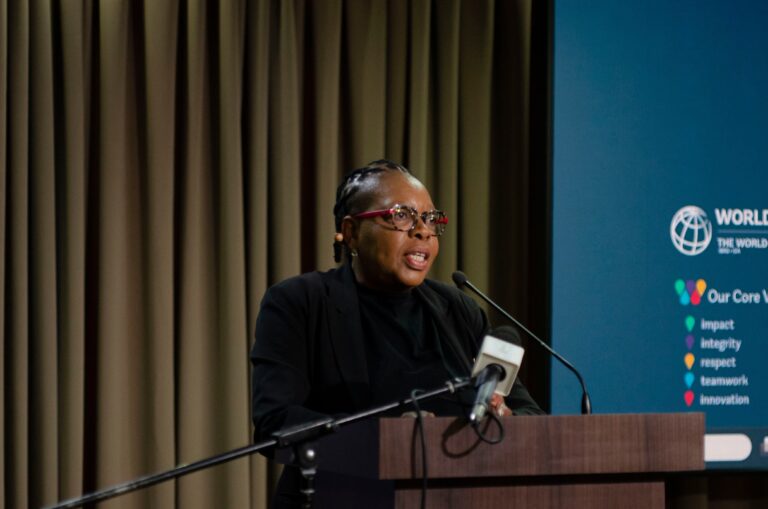
Basotho financial consumers are being urged to familiarize themselves with their rights when dealing with service providers across the country. This call was made by Dr. Masenyetse, Executive Assistant to the Governor of the Central Bank of Lesotho (CBL), during a workshop held at Lehakoe on February 6, 2026.

Dr. Masenyetse emphasized the importance of consumers understanding their rights, which are clearly outlined in various Acts of Parliament. These laws not only outline the rights of consumers but also their responsibilities. When consumers are well-informed, they are better equipped to make wise financial decisions and protect themselves from unfair or abusive practices by banks, insurers, and other financial institutions.

“Consumer protection is everyone’s right,” Dr. Masenyetse said. “It belongs to regulators like the CBL, to the service providers themselves, and to the consumers. Too often, lack of knowledge leaves ordinary people open to exploitation and mistreatment.”

The Central Bank is actively strengthening its market conduct supervision framework to ensure that financial institutions deal with customers in a fair and transparent manner. Workshops like the one held at Lehakoe play a vital role in building the skills and understanding of all stakeholders, enabling them to comply fully with the rules.

Dr. Masenyetse noted that consumers who know their rights are more likely to hold providers accountable, file complaints when things go wrong, and contribute to a stable and trustworthy financial system that benefits the whole nation.

Mr. Moses Musantu of the World Bank reinforced the message, stating that consumer protection is crucial for building trust between ordinary people and financial service providers. “Strong protection measures boost confidence in the system, leading to higher participation and real progress in financial inclusion across Lesotho,” he said.

Effective frameworks prevent misconduct, reduce disputes, and help financial markets run efficiently and fairly for everyone. Mr. Musantu urged regulators to stay alert and take proactive steps to monitor market behavior and prioritize consumers.

He called for closer teamwork among regulators, policymakers, and development partners to design smart policies, implement them properly, and enforce them without fail. Mr. Musantu also highlighted the need for ongoing public education campaigns to inform people about their rights and the channels available to seek help or complain when needed.

The workshop was attended by various stakeholders, including financial institutions, regulators, and consumers. It provided a platform for discussing the importance of consumer protection and financial literacy in Lesotho.

The CBL is committed to promoting financial inclusion and protecting consumers. Through initiatives like this workshop, the bank aims to empower Basotho to make informed financial decisions and contribute to a stable and trustworthy financial system.

As Lesotho continues to develop its financial sector, it is essential that consumers are aware of their rights and responsibilities. By working together, regulators, service providers, and consumers can build a financial system that benefits everyone.

Jacob Zuma named in Epstein files

0

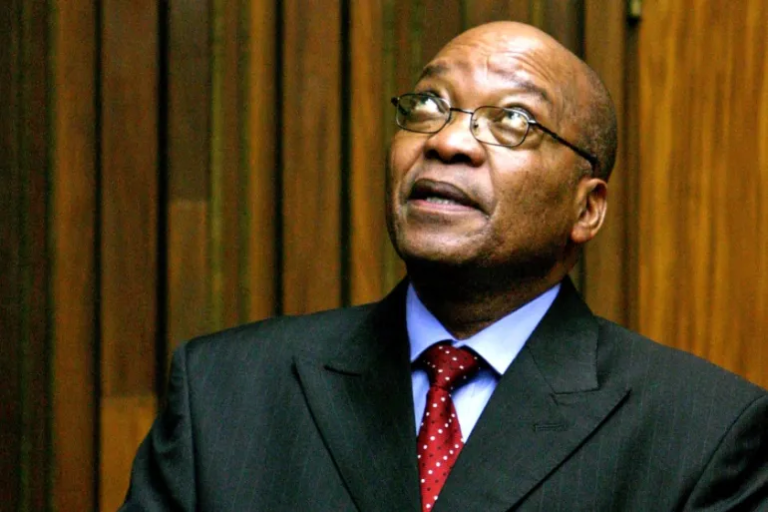
Former President Jacob Zuma’s name appears in newly released documents by the United States of America Justice Department in its latest tranche of the Epstein Files.

The DOJ has published over 3 million additional pages in responsive to the Epstein Files Transparency Act, which was signed into law by President Donald Trump last November.

The Trump administration ordered the Justice Department to release the files tied to criminal probes of Jeffrey Epstein, the late financier and convicted sex offender, who was friends with US President Donald Trump in the 1990s, in compliance with a transparency law passed by Congress last month.

A series of E-mails found in the massive tranche of documents makes reference to dinner arranged at London’s Ritz Hotel on March 5th 2010, while Zuma was on a state visit to the United Kingdom.

The Jacob Zuma Foundation has dismissed media reports into the revelations as speculative narrative building, and that it regarded the matter as closed.

An e-mail from a Mark Lloyd on March 4th 2010 invites someone named Vera to a small dinner hosted for then President Zuma, who is encouraged to attend to add some real glamour to the occasion.

Another e-mail then shows a response from someone who says she is honoured to accept the invitation, and describes herself as a Russian model who’s lived in London for two years.

An E-mail purportedly from Epstein to British diplomat Peter Mandelson on March 5th 2010, reads that Mark Lloyd was hosting Zuma the following day at the Ritz and that he had invited someone whose name was redacted but described as beautiful to attend.

A March 6th e-mail to Epstein, the day after the referenced dinner from Mark Lloyd describes Zuma as being a “more impressive character” than was expected, who displayed more gravitas and none of the macho bluster portrayed in the tabloid press.

IEC Forced to Act on MPs Holding South African Citizenship

0

A Maseru resident has formally petitioned the Independent Electoral Commission of Lesotho (IEC), raising constitutional concerns over the eligibility of certain Members of Parliament who are alleged to hold dual citizenship or maintain allegiance to a foreign state.

In a letter dated 30 January 2026 and addressed to the IEC, Mr Kamohelo John Mosothoane cites Section 59 of the Constitution of Lesotho (1993), as revised in 2011, arguing that the provision clearly disqualifies individuals who acknowledge allegiance, obedience or adherence to a foreign power from being nominated or elected to Parliament.

Section 59, which deals with disqualifications for membership of Parliament, states in part that no person shall be qualified to be nominated as a Senator or elected as a Member of the National Assembly if, at the time of nomination, that person is under any acknowledgment of allegiance to a foreign power or state.

Mosothoane contends that despite this constitutional safeguard, the IEC has over time allowed individuals to participate in parliamentary processes while allegedly holding dual citizenship or maintaining formal legal commitments to foreign governments, particularly the Republic of South Africa.

“Dual citizenship and the associated legal obligations to a foreign government appear to be inconsistent with the requirements set out in Section 59 of the Constitution,” he states in the letter.

He further questions how such individuals were cleared during nomination and election stages, and whether constitutional requirements were fully enforced.

Of particular concern in the petition is the leader of a registered political party identified as SR. According to Mosothoane, the party leader has publicly advocated for Lesotho to join the Republic of South Africa, a position he argues may amount to an acknowledgment of allegiance or adherence to a foreign state.

He also raises concerns that the party’s current political agenda appears materially different from the principles and objectives under which it was initially registered, potentially raising questions about adherence to constitutional obligations, including loyalty to the King and the State.

Mosothoane argues that public declarations in favour of Lesotho joining South Africa, if accurately reported, may reasonably be interpreted as conflicting with the constitutional requirement of undivided allegiance to the Kingdom of Lesotho.

In light of these concerns, he calls on the IEC to establish an independent and credible mechanism to investigate the eligibility of Members of Parliament with alleged foreign allegiances or dual citizenship. He further urges the Commission to verify compliance with Section 59 among all affected individuals and to take appropriate lawful measures should any violations be established.

“The Constitution is the supreme law of the Kingdom of Lesotho, and its consistent enforcement is essential to safeguarding national sovereignty, democratic integrity, and public trust in state institutions,” the letter states.

At the time of publication, the IEC had not yet issued a public response to the petition.

The matter raises broader constitutional questions about dual citizenship, political advocacy, and the limits of free political expression within a sovereign constitutional monarchy. Legal experts note that any determination on eligibility would likely require careful interpretation of Section 59 and, if contested, could ultimately be subject to judicial review.

The development is expected to spark debate in political and legal circles, particularly as questions of national identity, sovereignty, and regional integration continue to feature in public discourse.

Lioli FC confirm Mahlaha appointment as LMPS formalise his exit

0

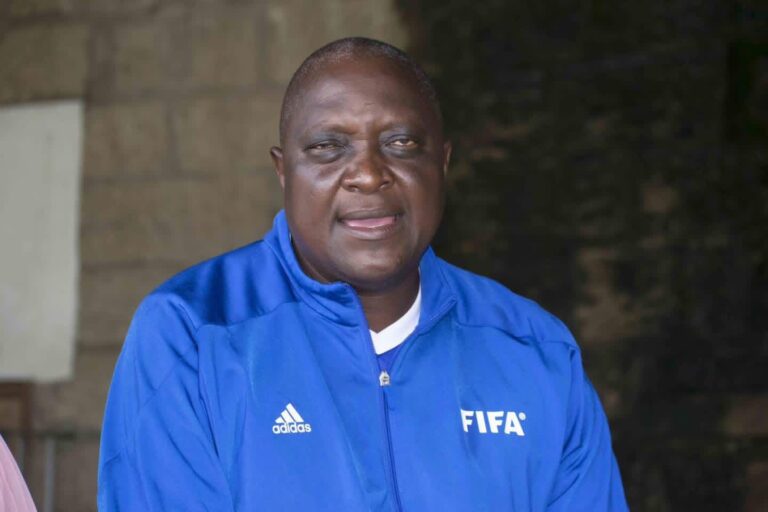
Lioli Football Club have put speculation to rest by officially presenting Halemakale Mahlaha as their new head coach, completing a move that had been widely anticipated during the week. At the same time, Lesotho Mounted Police Service (LMPS) FC confirmed that the seasoned tactician has vacated his position, clearing the way for his switch to Tse Nala.

Mahlaha steps into the role following the departure of Bongani Maseko, whose tenure with Lioli came to an end in December 2025. During the interim period, Kenny Mohoanyane oversaw the team and will now remain part of the technical bench as Mahlaha’s assistant.

The appointment brings to Lioli one of Lesotho’s most experienced football minds. Mahlaha has built a strong reputation in domestic football, having guided some of the country’s leading clubs and worked extensively within youth national team structures. Before his current move to Lioli, he was taking charge at LMPS FC, a club with which he shares a long history dating back to his playing days.

Prior to his time at LMPS, Mahlaha was at the head coach of Matlama FC, where he led the giants through demanding league campaigns and domestic competitions. His time at Matlama reinforced his image as a coach capable of managing pressure at high-profile clubs, while maintaining tactical organisation and consistency across a season.

Beyond club football, Mahlaha has also been entrusted with developing young talent at national level, having coached Lesotho’s Under-20 side (Makoanyane XI) in regional and continental assignments. His involvement in youth football has underlined his emphasis on long-term player development, a quality Lioli will hope to translates into sustainable success.

Known for advocating discipline, structure and collective responsibility, and his formal unveiling complete and LMPS having acknowledged his resignation, attention will now turn to how quickly Mahlaha can imprint his philosophy at Lioli, which currently sits on 5th Place on the Vodacom Premier League table.

Independent business & current affairs journalism · Lesotho Subscribe — M85/month
| Independent business & current affairs journalism · Lesotho