



MASERU-In a rare move aimed at repairing broken family ties rather than deepening punishment, the High Court has ordered a restorative justice process for a Berea man who admitted to killing his nine-year-old nephew, giving him a chance to rebuild relations with his family and community.
Tseko Koetle of Lekokoaneng Ha Tau pleaded guilty to culpable homicide that happened on the 23rd day of June 2019 causing death of the child. Instead of focusing only on imprisonment, the court has now directed that efforts be made to prepare both the accused and his relatives for reconciliation when he returns home.
Justice Tšeliso Mokoko called on the Lesotho Correctional Service (LCS), through its Rehabilitation Office, to facilitate the process. The aim, the court heard, is to prevent the accused from being rejected, attacked or ostracized after his release and to ensure that he is safely reintegrated into society.
The court was told that tensions between Koetle and his family have been severe since the incident.
Information placed before the judge revealed that shortly after his arrest in 2019, Koetle chose not to apply for bail. He allegedly received word that some family members were angry and might harm him if he returned home.
Because of the strained relations, he was also unable to attend his father’s funeral while in custody, further widening the emotional distance between him and his relatives.
The situation prompted the court to consider steps beyond the normal sentencing process.
Justice Mokoko said rehabilitation and reconciliation were important to avoid a scenario where the accused, after serving his sentence, faces revenge or permanent rejection from those closest to him.
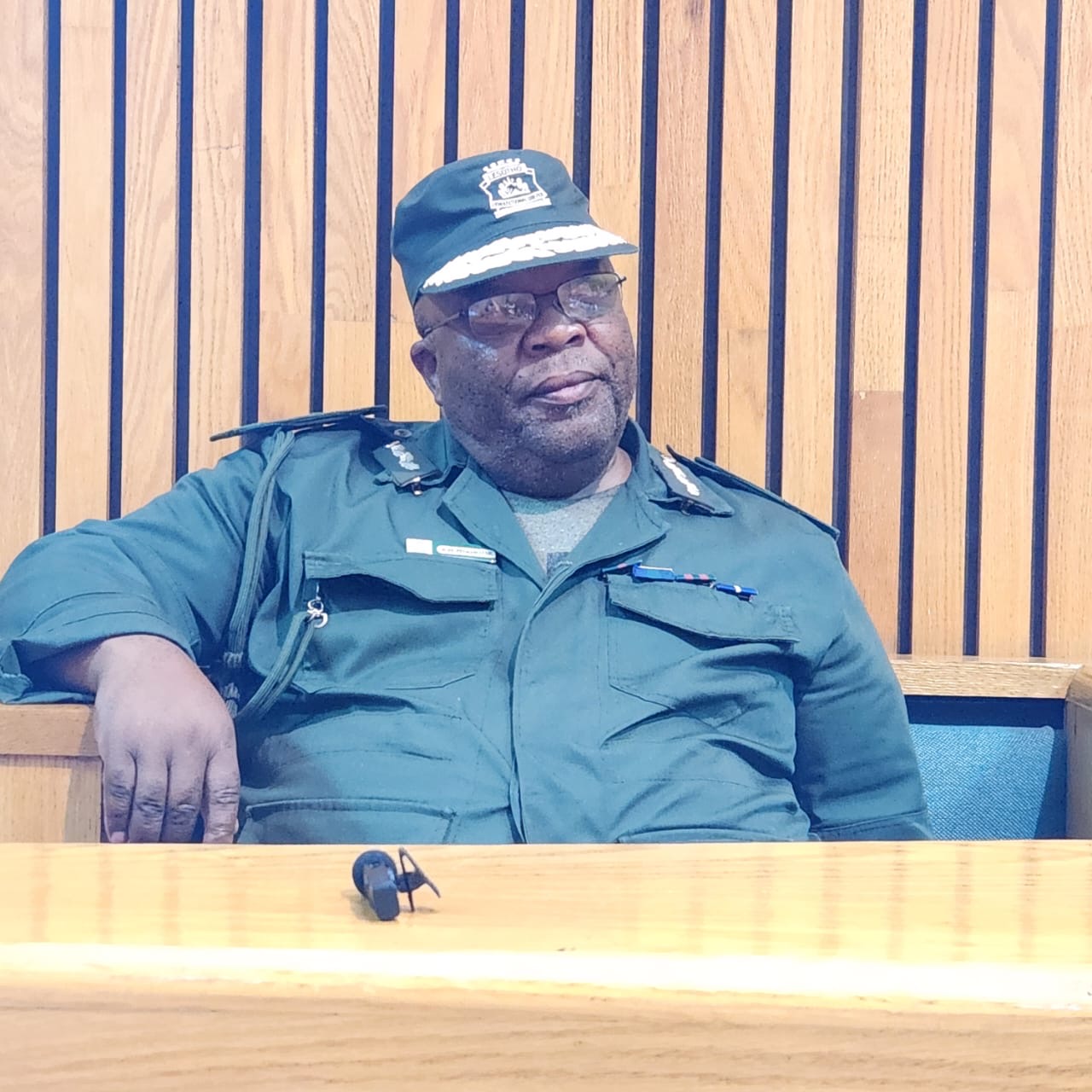
When summoned to address the court this week, Acting LCS Commissioner Matingoe Phamotse assured the judge that the service would do everything possible to carry out the restorative justice programme, despite limited resources.
He acknowledged, however, that the task would not be easy.
Phamotse expressed concern that officers assigned to engage the family and community might face resistance.
“There is a possibility that our Rehabilitation Officer could be rejected when going to the family and community to conduct research,” he indicated.
Even so, he committed to ensuring that attempts are made to open dialogue and prepare both sides for reconciliation.
Court records show that Koetle was 20 years old at the time of the incident.
Evidence presented revealed that the fatal assault occurred after he discovered that the young boy had lent someone a maize roasting pan without permission.
In what prosecutors described as a moment of anger, Koetle struck the child, causing injuries that later led to his death.
He was initially charged with murder.
However, following negotiations between the defence and the prosecution, a plea agreement was reached. He pleaded guilty to the lesser charge of culpable homicide, admitting responsibility for causing the child’s death without intent to kill.
The court subsequently convicted him on his own plea.
During sentencing, the judge took into account the time Koetle had already spent in custody while awaiting trial.
He has been behind bars since 2019.
Justice Mokoko sentenced him to eight years’ imprisonment. However, seven of those years were effectively deducted to account for the lengthy period he has already spent on remand.
As a result, Koetle is expected to serve only one additional year before becoming eligible for release.
The court said this made it even more urgent to address the broken relationship between the accused and his family.
Legal observers noted that without proper intervention, former inmates in similar circumstances often return to communities that are hostile or unwilling to accept them, increasing the risk of violence or reoffending.
By involving the Lesotho Correctional Service’s Rehabilitation Office, the court hopes to create dialogue, encourage forgiveness where possible, and promote peaceful coexistence.
Restorative justice focuses on repairing harm caused by crime through communication, accountability and reconciliation rather than punishment alone.
It often involves meetings, counselling and mediation between offenders, victims and families.
In this case, the goal is to ensure that Koetle’s eventual return does not trigger further tragedy.
The judge has directed that a preliminary report on the progress of the rehabilitation and reconciliation efforts be submitted on or before May 11, 2026.
The matter has been postponed to May 14, 2026, when the court will review the report and determine the next steps.
For now, the case stands as an unusual example of the justice system seeking not only to punish wrongdoing, but also to mend the deep personal wounds left behind.