


Mohahlaula Airlines
Wednesday, July 22, 2026
Home Blog Page 65

PRIME MINISTER LIVING WITH DISABILITY

0

By: Gabashane Masupha

In a world striving for equity and dignity, leadership must reflect the full spectrum of human experience including disability. While Lesotho has had decades of governance by able-bodied individuals, the time has come to embrace a new possibility: a Prime Minister living with a disability. This is not merely a symbolic gesture; it is a transformative act that can reshape national consciousness, strengthen policy and affirm that leadership knows no physical or sensory bounds.

History reminds us that disability is not a disqualifier for greatness. Winston Churchill, one of the most renowned leaders of the 20th century, lived with multiple impairments. He battled what he referred to as the “black dog” of depression likely a form of bipolar disorder and faced a speech impediment. Yet, Churchill steered Britain through World War II with unmatched resolve, his disability not an obstacle, but a testament to the strength that diverse experiences bring to leadership.

Churchill’s story is a compelling reminder: ability is not confined to the body; it is rooted in resilience, intellect and vision. A Prime Minister living with a disability in Lesotho would bring precisely those attributes into the Kingdom’s highest office. We have tried, over and over, to entrust the future of this country to leaders with no lived experience of disability. Yet, social equity remains elusive for the approximately 46 000 Basotho living with disabilities. Why not give a new kind of leadership a chance one that understands, through lived experience, what it means to navigate systems that exclude, marginalize or patronize?

Lesotho has the chance to be a continental leader by establishing policies that embrace diversity at every level of governance, starting at the top. One innovative approach would be the introduction of “Impairment Corners” in public institutions, schools, parliament and community spaces. These would be physical and programmatic corners where disability-related information, tools and support services are available designed by and for persons with disabilities. Any Mosotho living with disability can direct such programmes, professionally and excitingly so.

Each impairment corner could offer sign language interpretation and teaching materials Provide Braille documents and assistive technology. Host monthly public awareness talks by people with various impairments. Serve as a channel for disability-inclusive policy dialogue Such corners would be a bold affirmation that accessibility is not charity it is a constitutional right. It is also time to consider mandatory sign language education in schools, government offices, and the media. Imagine having to be just convert means of communication to body language as policy would direct. Not as an add-on, but as part of core national identity. Disability is not a marginal experience it is a human reality, and communication must be inclusive. Lesotho must legislate sign language as one of its official languages, following the example of countries like South Africa and Kenya. Policies must use updated, inclusive terminology such as: Persons with psychosocial disabilities, persons with visual/sensory impairments.

Rember how strong former Employment and Labour Minister, Mr Refiloe Masemene was, who everyone still praise for rising above his disability. Maybe living with disability is living with ability to be better than the abled. Mr Masemene, who was visually impaired, left his cabinet position in 2010 and was involved in charity work for communities living with disability before he passed on. 

Honourable Masemene was a strong believer in the congress political ideology which he stood by from a very early point of his life.

“He understood the ideology and stood by it throughout his life,” Dr Mosisili once said, adding the congress political ideology was “very different to the nationalist ideology”.

Honourable Mosemene had unique abilities which if he was a Prime Minister of Lesotho, maybe Lesotho will now be a realHar’a mafats’e le letle ke lona”.

Moorosi Encourages Use of AI in Everyday Life

0

Maseru

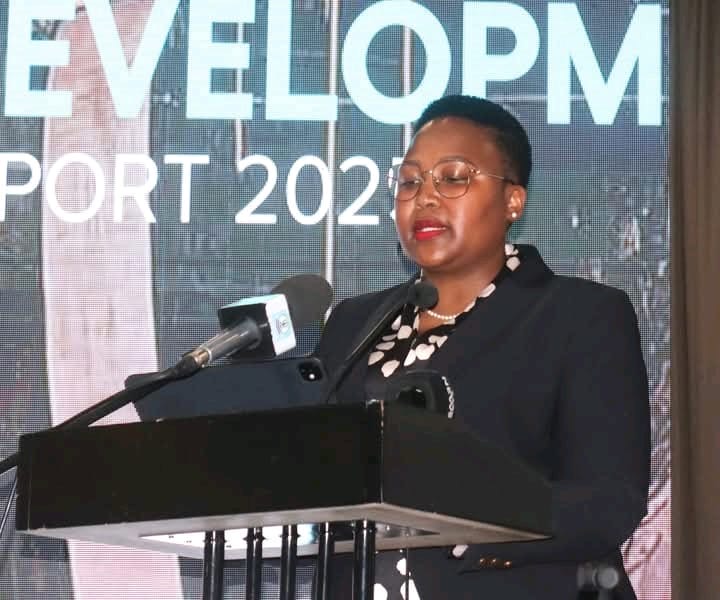
‎The United Nations Development Programme (UNDP), alongside a couple of Lesotho Ministries, launched the 2025 Human Development Report in Maseru this week. The first ever UNDP HDR was launched in 1990 and this year’s phase is a continuation of the May 6th Brussel. 

Themed “A matter of choice: people and possibilities on the age of artificial intelligence”, the report focuses on people and developments around them and how these developments affect them in all aspects of life. 

The Minister of Finance and Development Planning, Dr RetselisitsoeMatlanyane, noted at the event that since the inaugural Global Human Development Report of 1990, “Lesotho has released three Human Reports.”

“The reports focus on human security, poverty and food security and the third one focuses on leveraging the power of the youth,” Dr Matlanyane said. 

She continued to say in 2024, the country evaluated human progress and identified technology and innovation to provide solutions for the country’s way to development. 

The 2024 report, Dr Matlanyane said, provides innovative, ground breaking analysis on a wide range of critical development issues and serves as an advocacy platform for all development stakeholders in national development processes to ensure sustainable development outcomes. 

With the launch’s focus pinned on engagement and inclusion on the use of Artificial Intelligence (AI), speeches and panel discussions were centred onbreaking down how Basotho could be more active in the use of AI.

‎”The 2025 Global HDR takes a people-centered approach that considers how ideas, knowledge and information are central to human development. The knowledge or information environment is being reshaped by innovative technologies, creating new challenges, opportunities and the societal transformation driven by digitalization, including more powerful and far-reaching AI applications,” Dr Matlanyane continued. 

She told the attendees that the 2025 report will therefore use a human rights lens to shed light on tensions that may emerge around preserving freedom of expression or association with a fundamentally reshaped information environment, adding that it will also examine the implications of lack of diversity in the data used in AI algorithms. 

Hnourable Nthati Moorosi, the Minister Information, Communication,Science, Technology, and Innovation (MICSTI), admired the 2025  report for being a reminder that human development is fundamentally about enabling people to live a life of value. 

“In a world increasingly shaped by AI, the freedom to choose comes not only as a core component for development but also as a pathway to advancing it,” Moorosi said, expressing her appreciation towards the convenience of the report which she said came at a time when AI usage is rising rapidly globally, reshaping societies and the whole world. 

The Minister quoted part of the report, revealing that it says “one in every five people in the world are ready to use AI”. She said it further states that two thirds of lower developed countries expect to use AI in education, health or work within the next year.

“For us as the government of Lesotho, our call is to ensure that we get the climate ready for all citizens to access internet and services provided by it,” she asserted, indicating that the proper way to go about this is bridging electricity and internet gaps in communities to urgently give Basotho a chance at an advanced way of doing things. 

“But access alone is not enough, the real divide will be in how effectively AI compliments what people do.” She said.

Honourable Moorosi said the report has brought to light two sobering realities; slow progress in human development and the ever expanding inequality gap between rich and poor countries. However, she noted that the report suggest ways in which countries can take to come into play to revert these challenges. 

“It brings hope as it proposes four key actions among which we must built an economy where people collaborate with AI rather than compete against it and shift from technology-driven to people-centered approaches in AI development,” she remarked.

The report also advices countries and individuals to harness AI to accelerate Science and Innovation, not by replacing creativity but by improving it. Honourable Moorosi therefore encouraged responsible stakeholders to “modernise education and health systems to equip people with capabilities to thrive in an AI driven world.”

The MICSTI has led the development of AI policy supported by the UNDP and other collaborating partners. In the governance policy, talent development and infrastructure are said to be emphasized while also addressing risks such as bias, data privacy, ethics and job displacement. But to manage the risks, the ministry has adopted a decentralized market driven approach to AI regulation.

The 2025 Human Development Report lays foundation for building a human institutional and regulatory capacity needed to ensure AI empowers individuals, strengthens communities and drive sustainable progress. It includes a logical framework and implementation plan that will guide Lesotho until 2030 when it will be refreshed to remain relevant.”

WVL Continues a Fight Against Child Labour and Forced Labour

0

Maseru

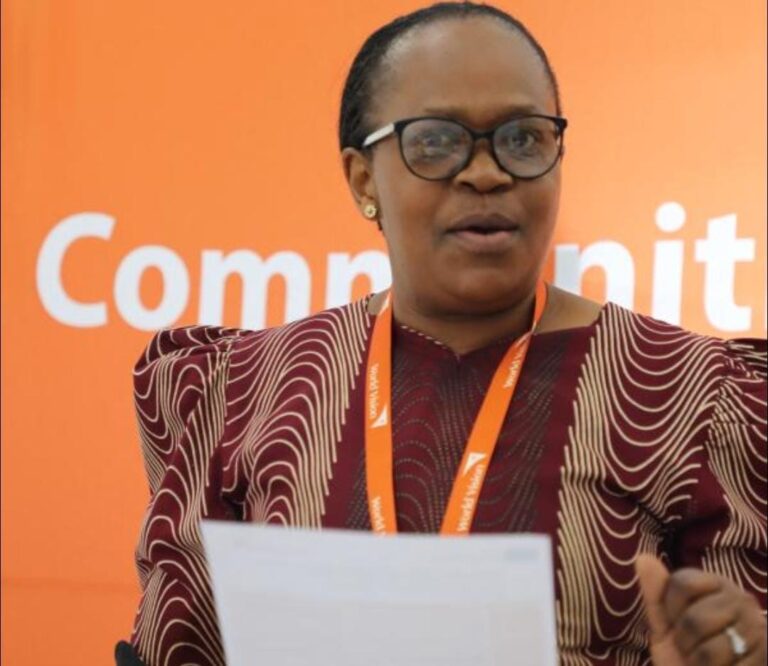
A year later after World Vision Lesotho launched a project to eliminate Child Labour and Forced Labour with the support of European Union (EU), the fight remains far from over. Despite training hundreds of community members and leaders, only a handful of cases have been confirmed, exposing the deep-rooted silence, fear, and lack of awareness that continue to shield the problem from public view.

EU donated €459,726 for two-year, three-month campaign aimed at eliminating child and forced labour across five districts under World Vision’s Area Programme (AP). The project, launched on 30 May 2024, set targets to train 100 project members, 140 Community Child Protection Team (CCPT) members, reach 6,000 community members through gatherings and empower 1,000 children through peer-to-peer learning.

In a year of project’s operation, many targets have been exceeded while others are well underway. According to Project Coordinator Mmathabang Nkosi, 101 project members have been trained, surpassing the goal. CCPT training reached 142 members instead of 140 planned. Community leaders targeted was exceeded with 12 from its original target, reached 124 trained leaders. However, some figures show that there are challenges the project is facing amidst its successes, with only 2,561 community members have been reached through gatherings, less than half the goal and just 126 children have received peer-to-peer training out of the planned 1,000.

The most telling statistic, though, is in the core aim is identifying 300 cases of child labour across the Aps. So far, only four confirmed cases have been recorded. An additional 15 suspected cases have been flagged, but many are still under assessment while some have been referred to relevant offices.

Nkosi believes the low numbers are not a sign of a problem solved but rather a sign of a problem hidden. 

“People still lack knowledge of what constitutes child labour, while others are afraid to report cases,” she explained. 

This highlights the reality in many rural communities, where poverty, dependence on child income and fear of retaliations create an unspoken wall of silence.

Thandiwe Sphumula from the Ministry of Labour,portrayed that the absence of visible cases in formal sectors can be misleading. 

“There are no child labour cases seen on the surface in the formal sector, according to inspectors’ reports,” she said, pointing to agriculture, domestic work and street work as the real hotspots.

These sectors are affected by poor enforcement of child labour laws, inadequate infrastructure, endemic poverty and lack of quality education. Showing that children often work in companies sourcing agricultural produce or extracting metals and minerals which is hazardous and harmful to their development.

“Poverty forces families to rely on children for survival. The problem is made worse by weak rule of law and gaps in education access,” Sphumula added. 

Lesotho’s legal minimum working age is 15 years, and even then, the work must not deprive the child’s rights. According to Tiisetso Mohlabi from the Ministry of Social Development, the law allows light work that does not deprive children of education, rest or safety.

When children are identified as being at risk of child labour, Mohlabi says there is a case management system to ensure they and their families receive support, sometimes in the form of food. This is vital in a country where child vulnerability is not only tied to labour but also to homelessness.

Street children, for example, remain a pressing concern. “We work with organisations like Sepheo to help removestreet children with their families because orphanages are a last resort. Unfortunately, some children voluntarily return to the streets days after intervention,” she explained.

Child labour is not just a social issue but it is an economic one. As Mohlabi points out, “When children drop out of school, they contribute to a less educated workforce, which reduces the country’s productivity.” Over time, this translates into stunted national growth, reduced innovation and an unbroken cycle of poverty.

‘Maseiso Ntlama, speaking on behalf of the World Vision National Director, stressed that while progress has been made, the fight is far from won.

“We are managing policy gaps in the implementation of laws and working closely with partners like UNICEF to tackle the root causes of this injustice,” she said. 

For Ntlama, poverty and inequality are at the heart of the problem.

The delay of the Child Protection Amendment Bill which was delayed for over five years remains an example of misplaced priorities. 

“Policies in the interest of parliamentarians are reviewed overnight, but bills that protect the most vulnerable are left to gather dust.”

Another obstacle is manpower. ‘Mathabo Tsiane, a Health Inspector, revealed that there are only three child labour inspectors in the entire country. 

“It is impossible to cover all cases with such a small team,” she said.

Tsiane emphasised that the legality of a child’s work depends on several factors being their age, the type of work, the number of hours worked and the conditions under which It is performed. 

“A child should not work more than four hours without rest and not more than eight hours in a day,” she added.

Despite the challenges, the project has made significant strides in training, awareness raising, and community mobilisation. The collaboration between government ministries, non-profits and international donors also shows a growing united front against Child Labour

Nkosi says the project’s next phase will focus heavily on public awareness. “We need communities to speak up. Reporting is the first step to rescuing children from these situations,” she said.

Ultimately, ending child labour in Lesotho will take more than laws and projects. It will require a cultural shift where communities refuse to accept exploitation as normal and where every child is seen not as a source of income but as a person with a right to education, safety and dignity.

As the project enters its second year, the question is whether the momentum gained so far can overcome the barriers of silence and fear. For now, the fight continues in the fields, in the streets, in policy chambers and in the hearts of those who believe that no child should have to work for their survival.

It takes a world to end violence against children.  

What’s the cost of exposing a bribe? R212,000 and counting.

0

By: Pieter-Louis Myburgh, investigative journalist

And one journalist risking his safety to meet two corrupt officials on a wine farm. This isn’t a script for a thriller. It’s what actually happened.

Earlier this year, Daily Maverick’s investigative team got wind of a high-level scheme involving the Independent Development Trust – a state-owned entity that spends R4-billion annually on schools and clinics. Our work showed that this budget is being wasted through dodgy tenders and skimming, resulting in the suspension of the CEO, Tebogo Malaka.

When it became clear that our investigation into Malaka’s illicitly acquired property portfolio was still ongoing, WhatsApp messages to chief muckraker Pieter-Louis Myburgh arrived, asking to meet and discuss “sensitive matters” of “mutual interests”.

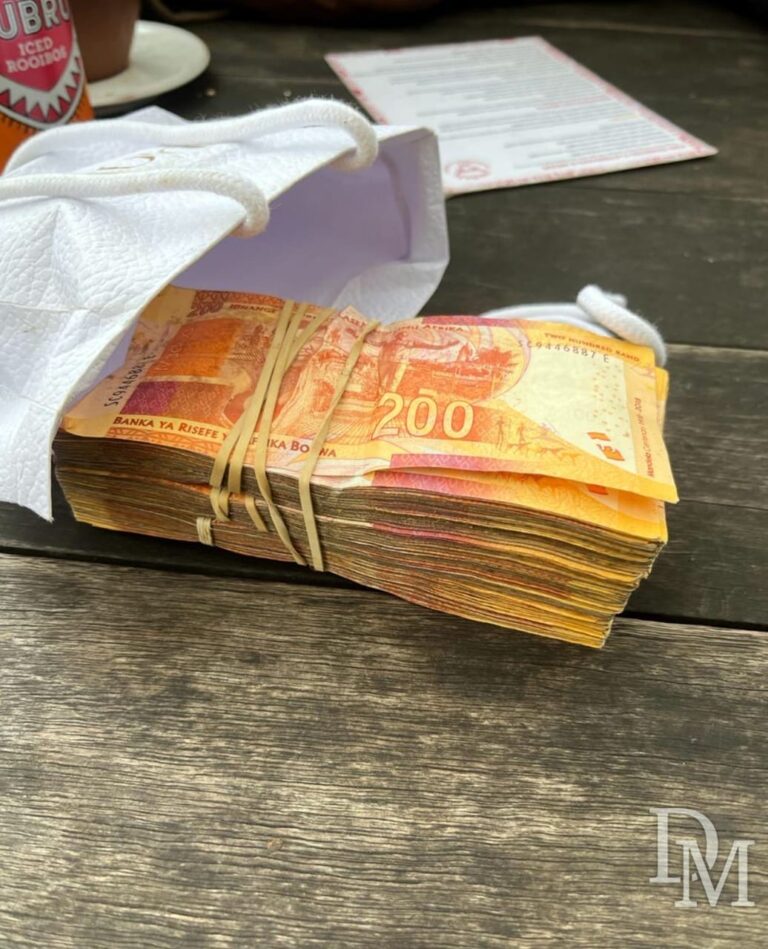
These “mutual interests” came in the form of bound R200 notes in a Dior shopping bag.

R60,000 in cash. And the promise of more to come. 

Not done in a clandestine or dark corner. Handed brazenly to our journalist in broad daylight to kill an ongoing story and to start publishing favourable stories about the IDT and its leadership.

And what did we do?

We didn’t just walk into that trap. We consulted lawyers and advocates to ensure our work was procedurally sound. 

We briefed security to ensure the safety of Pieter-Louis. 

We planned surveillance. 

We rehearsed safety protocols.

We prepared affidavits.

We recorded everything.

The operation cost us more than R200,000. Not including the adrenaline. And the worry that one of our team may be physically assaulted, or worse, if this went badly. 

The result?

A sting operation. With videographic evidence and a story that pulled back the velvet curtain on how far corruption goes to silence journalism.

Here’s the truth:

Good journalism isn’t free. It doesn’t just happen behind a keyboard and screen.

It costs time. It takes many resources. Sometimes it costs safety.

But what does it give us? A fighting chance to protect our institutions that are supposed to be serving our people – our schools. Our future.

News Source: Daily Maverick

Aside Comment

In Lesotho’s media landscape, there have been unsettling rumors about journalists and media houses being bribed to silence important stories that would reveal questionable deals. 

It’s disheartening to think that some among us have accepted bribes to defend corruption. Yet, the urgency of holding people accountable remains. Too 

often, these crucial issues are left unspoken, drifting away as if they do not matter.

The Daily Maverick has already set a powerful example. To enhance our media landscape, regain the public’s trust in journalism, and affirm our commitment to accountability, we must draw inspiration from this story. Let us boldly say no to being used as instruments of corruption and embrace our role in championing truth and integrity.

Thato Toeba Named 2025 FNB Art Prize Winner

0

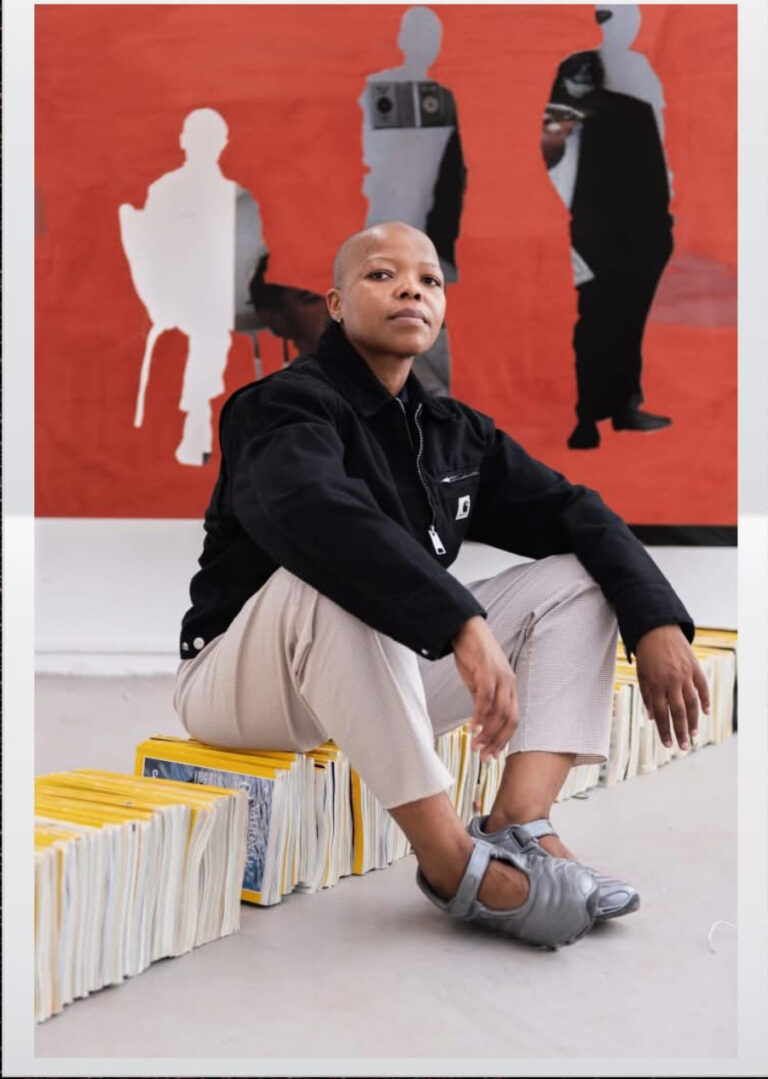
Maseru — Thato Toeba has been announced as the winner of the 2025 FNB Art Prize, an accolade that recognizes exceptional contemporary artists across the African continent. Born in 1990 in Maseru, Toeba is an artist, lawyer, and social sciences researcher whose work with mixed-media photomontage and assemblage has gained increasing critical acclaim.

The jury praised Toeba for their distinctive approach, describing their artistic practice as a “quiet force” that stood out among a strong field of nominees. “Thato Toeba’s practice holds a quiet force. Their use of collage and assemblage is both deliberate and layered, allowing for a visual language that is conceptually clear and materially rich,” the jury said. “There is a distinct sense of control in how they handle composition, texture and text, revealing a commitment to process as much as to meaning. What set Toeba apart was the clarity of vision, the formal maturity of the work and the considered pace of their trajectory. In a field of strong nominees, theirs emerged as the most resolved and coherent.”

Toeba’s artwork brings together photographs, textures, and physical materials to tell complex, layered stories about identity, power, and history. Rather than presenting a single viewpoint, their work invites multiple interpretations. The images ask viewers to slow down, look closely, and reflect more deeply.

Known for balancing their creative pursuits with a professional background in law and social sciences, Toeba embodies a multidisciplinary approach that resonates across fields. Their work is not only visually compelling but intellectually engaging, offering a nuanced examination of contemporary life through fragmented yet connected imagery.

The FNB Art Prize win marks a major milestone in Toeba’s artistic journey, further solidifying their role as one of the most thoughtful and promising visual artists emerging from Southern Africa today.

Lesotho’s Young Boxers Shine with Bronze at Inaugural African School Games

0

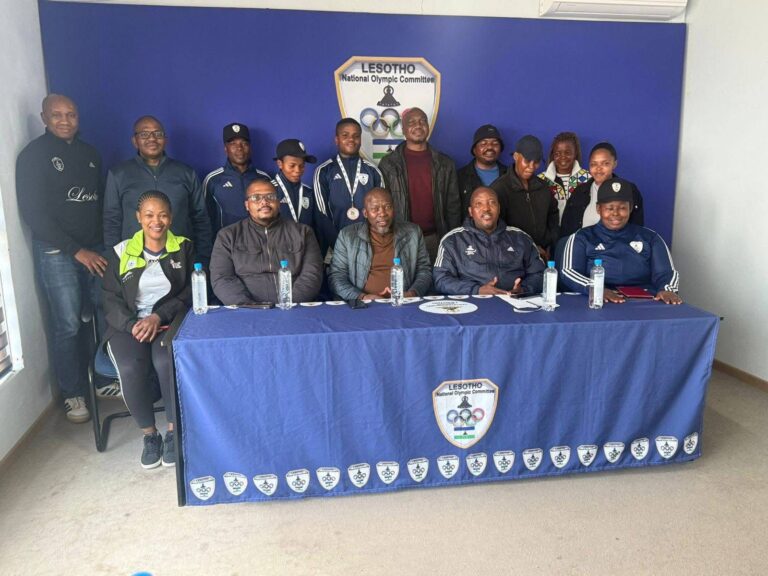
A warm and celebratory welcome awaited young boxers Mvukelelo Snyman and Sentsane Mokhehle on their return from Algeria after clinching bronze medals at the inaugural 2025 African School Games. The event, held from late July to early August across several Algerian cities, brought together the continent’s top school-age athletes in a variety of sports, including the highly competitive discipline of boxing.

Organised under the Association of National Olympic Committees of Africa (ANOCA) and the International School Sport Federation (ISF), thee Games aimed to showcase Africa’s young talent. Boxing, one of Algeria’s high-profile sports, saw the host nation dominate the podium, with their men’s team claiming multiple golds. Other countries like Ghana, The Gambia, Namibia, and Nigeria also made strong showings. Lesotho, however, proved that quality can outweigh quantity. Due to financial constraints, the nation’s boxing delegation was limited to just two athletes Sentsane Mokhehle in the girls’ 48 kg category and Mvukelelo Snyman in the boys’ 57 kg category. Both fighters battled their way into the semifinals, guaranteeing bronze medals for the Mountain Kingdom before their campaigns came to an end.

On Saturday, 8 August, the Lesotho National Olympic Committee hosted a welcome ceremony in Maseru to honour the young champions. LSRC President Baba Malephane praised the duo for keeping their promise to bring home medals, urging them to remain committed to both their sporting careers and education. LNOC President Letsatsi Ntsibolani thanked the parents for their support and encouraged the athletes to begin preparations for the Africa Youth Games 2026 in Senegal. He also announced Nigeria and Kenya as the hosts for the 2027 and 2029 School Games respectively.

Reflecting on her performance, Mokhehle told the media, “It is time”, signalling the start of her boxing journey. Snyman expressed pride in his progress, despite sustaining an injury to his right hand during his semifinal bout.

Team coach Daemane Lengola described the trip as a valuable experience, though not without its challenges. The extreme Algerian heat, long travel distances, and first-time exposure to such conditions affected the boxers’ weight. He commended chief de mission Mabokang Mdandalaza for her parental role and tireless support throughout the competition. Lengola added that Snyman’s match against a Tunisian opponent was particularly satisfying, as it provided a clear benchmark of the young boxer’s capabilities against top-tier competition.

For Lesotho, the two bronze medals mark a promising start on the continental stage and a strong sign that, with continued support and preparation, the nation’s young athletes can punch well above their weight.

No Evidence of Widespread Bullying or Harassment – UK Charity Commission

0

Around the world 

Lesotho’s Textile Sector Reels Despite Tariff Reprieve from U.S.

Maseru – Lesotho’s largest private sector employer, the textile industry, continues to face sharp declines in orders and jobs despite the recent decision by the United States to impose a reduced tariff of 15% instead of the previously threatened 50%.

According to Reuters, the economic damage had already taken root before the revised tariff was announced. Several factories had suspended operations and laid off workers due to cancelled orders. The sector, which exports heavily to the U.S. under the African Growth and Opportunity Act (AGOA), relies on policy certainty to attract buyers and maintain production cycles.

Lesotho’s government has called for long-term trade stability and is exploring relief measures for affected workers.

Lesotho Eyes 10% Tariff as It Pushes for Better Trade Terms with U.S.

Maseru – Lesotho is lobbying the United States to further reduce tariffs on its exports to just 10%, following economic strain caused by the recent shift in U.S. trade policy.

The move comes as government officials acknowledge that even a 15% tariff remains unsustainable for Lesotho’s fragile export-driven economy. Talks are ongoing, with the Ministry of Trade and Industry leading diplomatic engagements with U.S. counterparts.

According to Lesotho Tribune, Lesotho aims to position itself as a reliable supplier within the U.S. market by leveraging its political stability, production capacity and labour force.

Lesotho to Host Bafana Bafana World Cup Qualifier in Bloemfontein

Bloemfontein – The national football team of Lesotho will host South Africa’s Bafana Bafana at the Toyota Stadium in Bloemfontein on 5 September 2025 in a 2026 World Cup qualifying match.

This unusual arrangement follows the Confederation of African Football (CAF)’s ongoing ban on Lesotho’s home stadiums, which do not meet international standards. Lesotho Football Association (LEFA) confirmed the venue change, citing logistical cooperation with South African authorities.

As OneFootball reports, the fixture will be crucial for both sides, as group stage points are up for grabs. Lesotho supporters in South Africa are expected to attend in large numbers.

Sentebale Charity Faces Leadership Crisis as Prince Harry and Prince Seeiso Exit

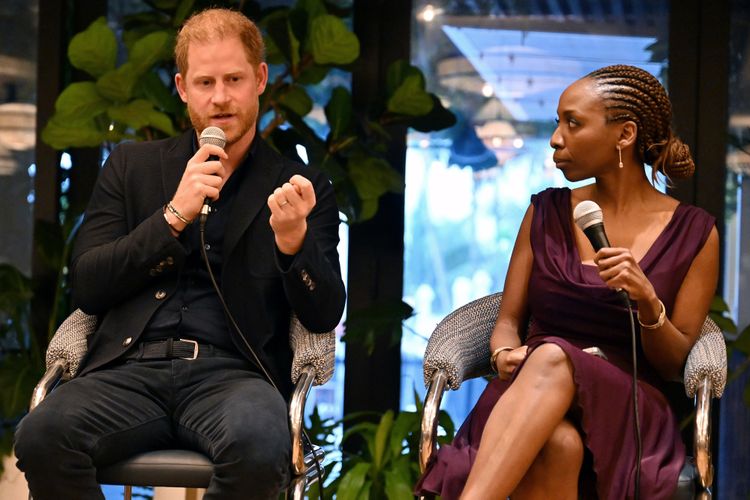
London – Sentebale, the high-profile charity co-founded by Prince Harry and Prince Seeiso of Lesotho, is undergoing a period of leadership turmoil following internal conflict and a formal charity inquiry in the UK.

Dr. Chandauka alleged that she was asked to step down after she “dared to blow the whistle about issues of poor governance, weak executive management, abuse of power, bullying, harassment, misogyny, misogynoir.” 

The Charity Commission for England and Walesstarted investigating Sentebale in April 2025 and concluded four months later that it found no evidence of “widespread or systemic bullying, harassment, misogyny or misogynoir.” The Commission also found no “overreach” by Prince Harry or Dr. Chandauka. 

Sentebale’s former trustees said in a statement that they were “disheartened” by the findings and “gravely concerned for the future of the charity.” The current board accepted the Commission’s recommendations to improve how it handles internal disputes and defines organizational roles. 

Although the UK Charity Commission found no financial misconduct, several former trustees have raised concerns about the charity’s governance. Prince Harry and Prince Seeiso stepped down as patrons earlier this year, leaving uncertainty about Sentebale’s future in Lesotho and Botswana.

The charity, known for its work supporting youth affected by HIV/AIDS, had operated in Lesotho since 2006.

Polihali Dam Project Gains Momentum in Water and Energy Development

Polihali, Mokhotlong – Construction of the Polihali Dam, part of the Lesotho Highlands Water Project Phase II, is progressing rapidly with major infrastructure already underway.

The multibillion-rand project is a joint effort between Lesotho and South Africa to transfer water to the Gauteng region and boost Lesotho’s energy independence through increased hydropower capacity.

According to LHDA, the dam will also facilitate road, bridge and power line development in the mountainous Mokhotlong district, stimulating local economic growth and job creation.

Farming Without Facts Is Just Guesswork: Why Lesotho Needs a Data Revolution on the Land

0

Lesotho has fertile land, strong hands, and flowing water. What it lacks is data. In 2025, farming without facts is no longer an option. Whether you grow cabbage in Mahobong or raise chickens in Mafeteng, you need data to survive. Without it, every season is a gamble.

Why Data Matters to a Small Farmer

Data does not mean technology you cannot afford. It means writing things down. A cabbage farmer who records planting dates, seed numbers, and harvest volumes can tell what works. A poultry farmer who tracks feed usage and egg output knows when something is wrong. In Kenya, farmers who kept simple records improved yields by 30 percent.

Source: Lesotho Tribune

The High Cost of Guesswork

Many Basotho farmers plant what their neighbors plant. They do not know how much profit they make, or what their break-even price is. So they sell below cost and do not even realise it. Without data, even a good harvest can bring a loss.

Source: Lesotho Tribune

Where Lesotho Stands Now

There is no real-time national crop database. Districts do not share production figures. The Ministry of Agriculture operates with delayed stats. Meanwhile, farmers make decisions based on hope, not facts.

What Needs to Happen

Every farmer should start with a notebook or phone log. Track planting dates, how much you spent, how much you harvested, and what you earned. The government should give SMS-based weather updates and link subsidies to productivity. Input programs must reward good data, not political lists.

Farmers Must Lead the Change

This is not just about government. Farmers must take control. You would not run a shop without knowing your sales and stock. Farming is no different. When you know your numbers, you make better choices. And you are more likely to get a loan, a market, or support.

Conclusion

Data is not a luxury. It is the difference between survival and success. Lesotho cannot keep farming like it is 1980. The time to act is now. Record. Track. Plan. Grow with facts.

They Say We’re Growing. But Can You Feel It?

Maseru – August 2025

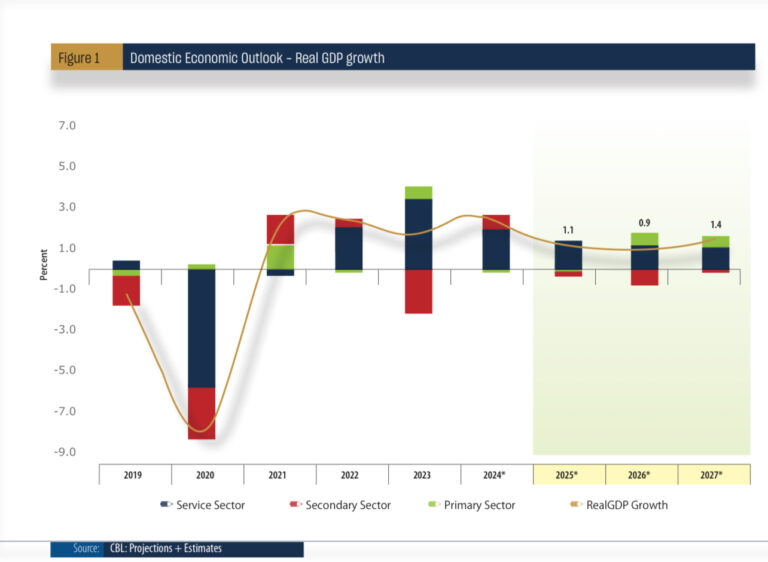
The Central Bank and Ministry of Finance say Lesotho is on the path to economic recovery. GDP is expected to grow by 2.7% in 2025. SACU revenues are up. Inflation is slowing. On paper, this looks promising. But on the streets of Ha Thetsane, Roma, and Maputsoe, many Basotho are asking the same question: where is this growth we keep hearing about?

Lesotho’s economy is projected to grow, but slow GDP growth does not always translate into better living standards.

Growth vs Reality

GDP growth reflects how much the country is producing overall, not how income or jobs are distributed. For most people, the real economy is measured by the cost of bread, school fees, or the ability to find work. A textile worker in Maputsoe still earns the same wage while food prices climb. A taxi driver in Maseru still pays more for fuel, even when inflation is said to be ‘under control’.

SACU – Our Golden Crutch

Lesotho’s largest source of income remains SACU receipts. In 2025, these will make up over half of all government revenue. But SACU is not guaranteed. It is like relying on a generous uncle who might not send money next month. The country is too dependent on external transfers, and every dip in SACU earnings causes panic in budget planning.

More than half of Lesotho’s government revenue comes from SACU transfers.

Debt and Deficit – Quiet Killers

Lesotho’s debt-to-GDP ratio is projected at 54.2% in 2025. That means for every hundred maloti the country produces, 54 maloti are owed to lenders. If this were a household, it would be like spending half your income repaying loans, leaving less for food, school, or emergencies. This is not sustainable.

Public debt has steadily grown and now exceeds 54% of national output.

The Cost of Living Paradox

Even though inflation has slowed, it does not mean things are cheaper. Prices are just rising less rapidly. For the average household, M50 no longer buys what it did last year. Electricity costs, taxi fares, and basic groceries continue to strain pockets. Meanwhile, salaries have remained stagnant.

What Should Be Done

The government must invest SACU windfalls in projects that build long-term value—roads, irrigation, technology in schools, and SME support. Spending should be transparent, audited, and measurable. Policies should empower local business, not just consultants and contractors.

A Broader View: According to the African Development Bank’s 2024 Country Report, Lesotho’s macroeconomic framework remains fragile but stable. The report acknowledges fiscal improvements and stronger regional trade, while cautioning about climate risks, limited job creation, and the urgent need for structural reforms. The AFDB sees opportunity in better public investment management and private sector development.

Conclusion

Lesotho may be growing on paper, but until that growth translates into jobs, public services, and better living conditions, the people will remain unconvinced. Growth must be felt, not just forecasted.

Source: Lesotho Macroeconomic Outlook – June 2025

Kamoli Testifies in Defence of Soldiers Accused of 2014 Murder

MASERU-The murder trial of two Lesotho Defence Force members accused of the 2014 killing of Lisebo Tang took a dramatic turn this week when Atlehang Kamoli, son of incarcerated Retired Army Commander Lieutenant General Tlali Kamoli, took the witness stand in their defence.

The charges stem from a shooting incident on May 9, 2014, at Ha Leqele, Maseru, in which Tang was fatally wounded and a man, Tšepo Jane, was injured. The accused, Private Selone Ratšiu and Lance Corporal Tjekane Sebolai, also face charges of attempted murder and malicious damage to property after bullets allegedly struck Jane’s vehicle.

Testifying before Chief Justice Sakoane Sakoane, Kamoli recounted that on the night in question, he and his father were alerted to gunfire near their home by a neighbour, Captain Limo, who was also a member of the army. When they arrived at the scene, they found a vehicle riddled with bullet holes, splattered blood, scattered alcohol bottles, and two injured occupants, a man and a woman.

According to Kamoli, his father instructed him to fetch a vehicle so the injured could be rushed to hospital. “The woman, who was complaining of hip pain, was helped into the back seat. The man managed to get in on his own,” he said.

Accompanied by one of the accused, Private Ratšiu, Kamoli transported the injured to Makoanyane Military Hospital, leaving behind Sebolai and Corporal Kopano Matsoso, who were on duty at the scene. At the hospital, doctors immediately attended to the woman, whom Kamoli recognized as Tang, having grown up with her in Ha Leqele. He later learned that the injured man was Jane.

Kamoli told the court that during the hospital visit, Jane remarked that what had happened was “nonsensical” and expressed regret that it occurred at Kamoli’s home. “I told him he should focus on getting help first,” Kamoli recalled. He added that he never saw Jane again after the incident. Although he had wanted to reach out, he said he was told Jane was in Bloemfontein and feared his family’s reaction given the high-profile nature of the incident and his father’s military role.

Following Kamoli’s testimony, the defence called Corporal Matsoso, who was initially charged alongside the accused in 2014. Matsoso was acquitted in 2020 after the court ruled there was no evidence linking him to the alleged offences.

The prosecution alleges that the accused soldiers fired shots at Tang and Jane, killing Tang and injuring Jane, before damaging Jane’s vehicle by gunfire. The defence maintains that their actions on the night in question do not amount to criminal conduct.

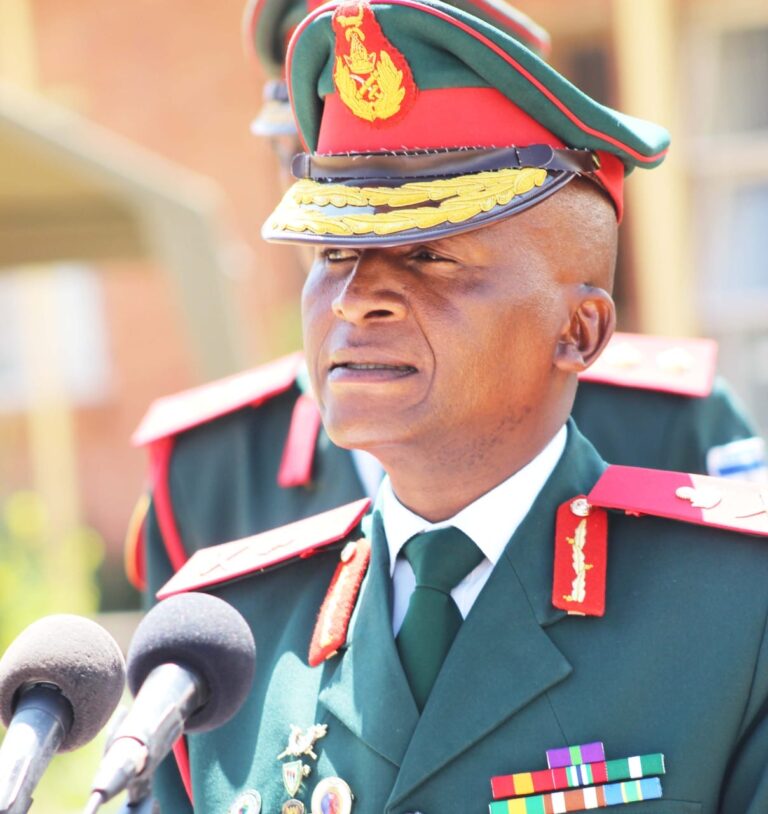
The case, now more than a decade in the making, continues to grip public attention due to its ties to senior military figures and the political climate at the time of the shooting. Proceedings are set to continue before Chief Justice Sakoane, with further defense witnesses expected to testify in the coming days.

LEWA Board Firings Raise Alarms Over Governance and Independence

0

The Lesotho Electricity and Water Authority is facing a governance crisis that is once again testing the credibility of regulatory institutions in Lesotho. In a matter of weeks, two senior board members have been dismissed by the Acting Minister of Energy, Hon. Mohlomi Moleko. The latest to be fired is board member Khotso Masheane, whose social media post was cited as the reason for his removal.

On 4 August 2025, Moleko issued a termination letter to Masheane, accusing him of undermining the collective responsibility expected of board members. The letter referred specifically to a Facebook post in which Masheane reflected on why some boards succeed while others fail. He wrote that many boards have the same structures and systems, but their outcomes differ due to the people who serve on them. According to Masheane, success often depends on the courage and moral character of board members, not just their academic qualifications.

In one part of the post, Masheane said, “Boards of failed companies are often full of agreeable professionals who nod along just to keep the peace.” Although he did not name anyone or refer to LEWA directly, the Minister viewed the statement as a veiled criticism of recent decisions made at the board level, particularly the earlier dismissal of chairperson Makotoko Makotoko. Moleko described Masheane’s comments as damaging to the integrity of the institution and incompatible with the standards required of those in regulatory governance.

Masheane’s firing has triggered widespread debate in Lesotho. Some see it as an example of government silencing critical voices within oversight institutions. Others argue that board members must maintain discipline and unity, especially when speaking publicly about internal affairs. Regardless of where one stands, the events unfolding at LEWA have exposed several underlying issues that reflect poorly on the governance landscape.

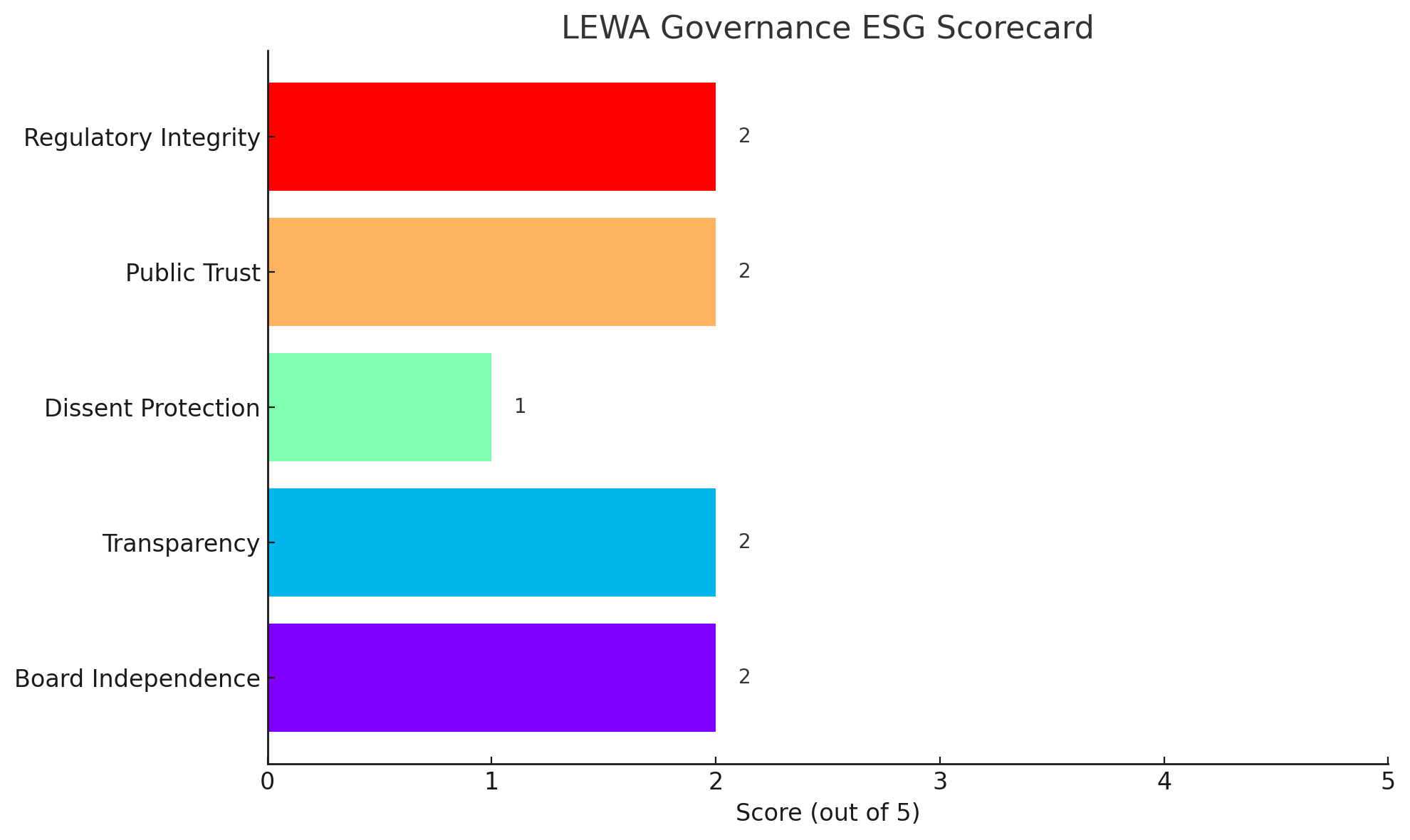
The first concern is the lack of board independence. The removal of two senior members in such a short time suggests that the board may not be free to exercise its duties without political interference. If boards are subject to swift reshuffling based on individual opinions or public statements, their ability to provide oversight is severely weakened.

Second, the incident reveals a worrying intolerance for internal dissent. Masheane did not disclose confidential information or target anyone personally. His remarks were general reflections on governance and leadership culture. Removing him from the board over such commentary sends a message that constructive criticism will not be tolerated, even when delivered respectfully and without naming anyone.

Third, the absence of transparency around these decisions is damaging public trust. There has been no formal public explanation from the Ministry beyond the letters of termination. LEWA is a key regulatory body in charge of vital public utilities. The way its board is managed should meet the highest standards of openness and accountability.

Fourth, there is growing concern that the boundary between ministerial oversight and overreach is becoming increasingly blurred. The Energy Minister claims to be protecting institutional integrity, but many observers see these actions as punitive and heavy-handed. A regulatory board should be a space for debate, independent thinking, and robust decision-making, not a rubber stamp for executive preferences.

Finally, the reputational risk is considerable. Public confidence in institutions like LEWA depends on the perception that decisions are made in the public interest and not under political pressure. When that confidence is lost, it becomes harder to attract capable professionals to serve on boards, and even harder to implement reforms that require trust and buy-in from multiple stakeholders.

The LEWA situation speaks to a broader problem in Lesotho’s public sector governance. It raises uncomfortable questions about how appointments are made, whether integrity is truly valued, and how dissent is handled in spaces that should be grounded in transparency and collective accountability.

For those applying an ESG lens, this case highlights serious deficiencies in the governance pillar. There are questions about institutional independence, freedom of expression for board members, and the overall culture of oversight within state-owned entities. These weaknesses pose long-term risks to effective regulation and investor confidence.

Unless structural reforms are introduced to insulate boards from political pressure and encourage transparency, Lesotho’s efforts to build resilient, accountable public institutions will remain stalled. The events at LEWA are not isolated. They reflect a systemic fragility that needs urgent attention from both government and civil society.

Independent business & current affairs journalism · Lesotho Subscribe — M85/month
| Independent business & current affairs journalism · Lesotho