Mohahlaula Airlines
Wednesday, July 22, 2026
Home Blog Page 69

LEWA Boss Fired After Explosive PAC Hearing!

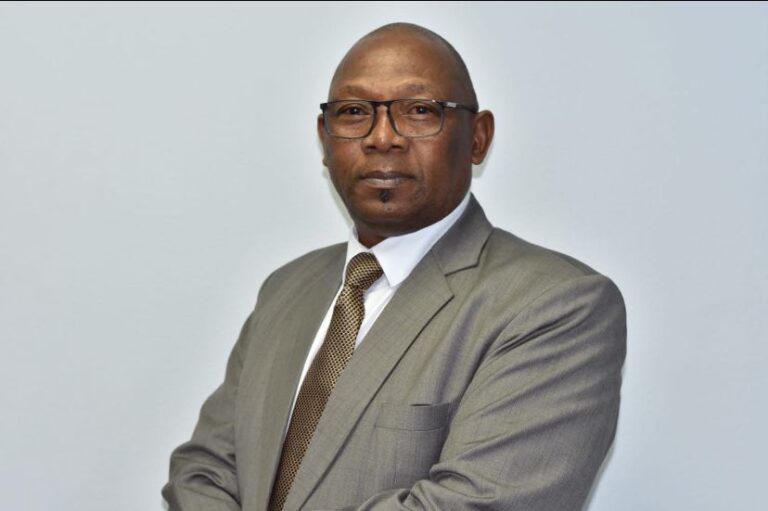
Lesotho Tribune can confirm that the Acting Minister of Energy, Hon. Mohlomi Moleko, has dismissed Mr. Makotoko Makotoko as Chairperson of the Lesotho Electricity and Water Authority (LEWA) Board of Directors.

The dramatic decision comes in the wake of LEWA’s appearance before the Public Accounts Committee (PAC), where the regulatory authority faced intense scrutiny over alleged governance and operational irregularities. While official reasons for the dismissal remain under wraps, senior government sources suggest the move is directly linked to issues raised during the PAC session earlier this week.

Mr. Makotoko, who is also chairperson of Road Fund had served at the helm of LEWA’s board, now becomes the latest high-profile figure to be removed under Moleko’s interim leadership at the Ministry of Energy.

LEWA is expected to issue a formal statement shortly.

This is a developing story. Stay with Lesotho Tribune for real-time updates.

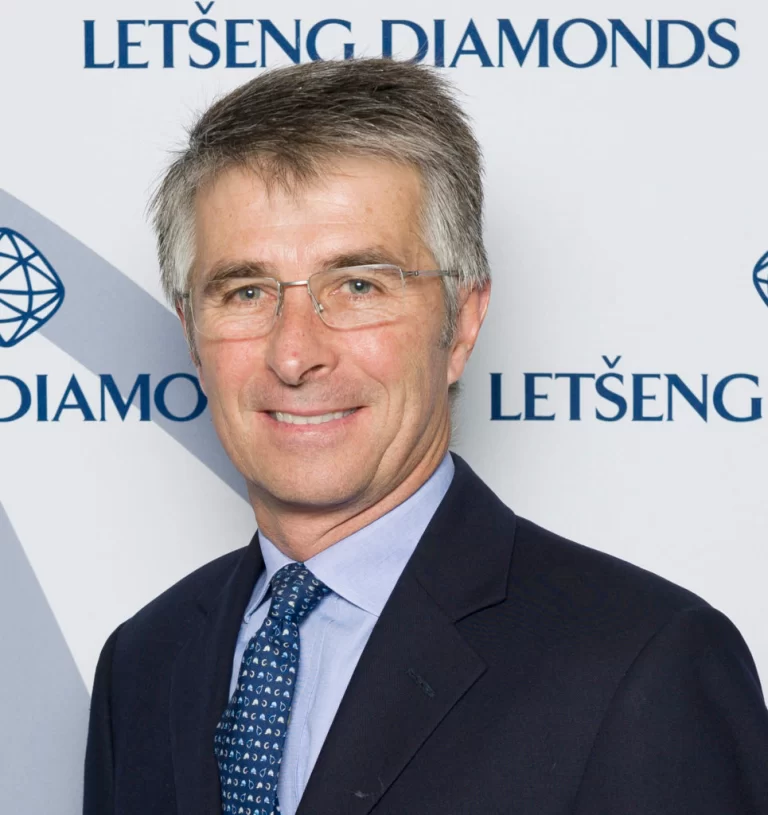
Letšeng Diamonds Struggles Under Falling Prices, Cuts Operations and Staff

Maseru – Letšeng Diamonds (Pty) Ltd has announced the implementation of a series of strategic operational and cost-management initiatives in response to sustained pressure from weak global diamond prices, a depreciating US dollar, and continued tariff uncertainties. These measures aim to preserve cash reserves, protect shareholder value, and secure the long-term viability of the company’s operations.

While Letšeng has consistently met its production targets, it has not been immune to the adverse macroeconomic environment. Falling rough diamond prices and unfavourable exchange rate dynamics have compelled the company to reassess its short-term mine plan and overall cost structure. The key actions now being implemented to optimise cash flow include:

Mining Activities: Both of Letšeng’s processing plants will continue to operate at current treatment volumes. However, waste mining in the Main and Satellite pits will be significantly scaled back to minimal levels for an initial period of 12 months. This tactical move is intended to conserve resources without compromising the integrity of the long-term mine plan.

Workforce Rationalisation: As part of the cost-reduction drive, approximately 20% of the workforce may be impacted. The company has initiated formal consultations with affected employees and relevant stakeholders to ensure a fair, transparent, and responsible process.

Letšeng Diamonds reaffirmed its commitment to its long-term strategy of producing world-class diamonds and operating sustainably. The company believes these proactive steps will strengthen its financial resilience and position it for recovery when market conditions stabilise.

About Letšeng Diamonds:

Based in Mokhotlong, Lesotho, Letšeng Diamonds is globally recognised for producing some of the world’s highest-quality diamonds. The company is committed to responsible mining practices, sustainable development, and delivering long-term value for its stakeholders, even in challenging market conditions.

Patriotic Alliance places Kunene on leave of absence

PA leader Gayton McKenzie has announced that the party will be launching a full investigation after it emerged that Kunene was at the Sandton home of businessman, Katiso Molefe, at the time of his arrest this week.

Molefe is facing charges in the murder case of musician DJ Sumbody.

Kunene has denied knowing Molefe, saying he was at his property by coincidence on Monday.

The Johannesburg MMC for Transport defended his visit, saying he was there for an exclusive interview with Molefe for his media publication.

McKenzie says they will be sharing the findings of their investigation.

He believes Kunene is innocent.

McKenzie, who is the country’s Sports Minister, issued a statement on the Patriotic Alliance’s Facebook page on Tuesday night.

“Kenny Kunene will be investigated. Lawyers of good character [will be] investigating him. And while he’s being investigated, I’m going to remove him from being an MMC.

“I’m also going to tell him to stand back from politics for one month until the investigation is done. This is the hardest thing I ever had to do in my life – to act against Kenny Kunene.”

UK, France and 23 other nations condemn Israel over ‘inhumane killing’ of civilians

0

Summary

  • Countries says suffering of Palestinians hits new depths
  • Statement criticises ‘drip feeding of aid’ in GazaIsrael says statement ‘disconnected from reality’

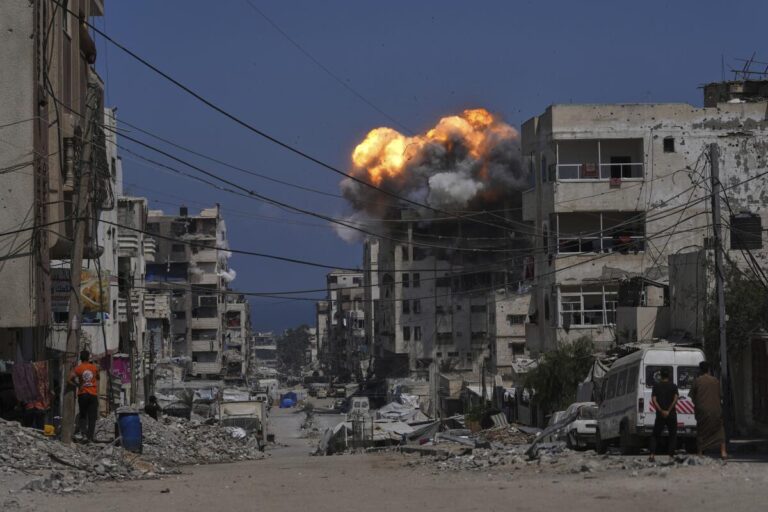
London – A group of 25 Western countries including Britain, France, and Canada said on Monday Israel must immediately end its war in Gaza and criticised what they called the “inhumane killing” of Palestinians, including hundreds near food distribution sites.

“The suffering of civilians in Gaza has reached new depths,” the ministers declared. “The war must end now.”

The statement, signed by foreign ministers from countries including Australia, Canada, France, Ireland, Japan, the United Kingdom, and several EU member states, denounced what they described as Israel’s “dangerous” and “dehumanizing” model of aid delivery. Citing the deaths of over 800 Palestinians killed while seeking food and water, the signatories accused the Israeli government of weaponizing humanitarian access.

“The drip feeding of aid and the inhumane killing of civilians, including children, seeking to meet their most basic needs is horrifying,” the ministers wrote. “Israel must comply with its obligations under international humanitarian law.”

The group also reiterated its demand for the immediate and unconditional release of hostages held by Hamas since the October 7, 2023 attacks. They expressed hope that a negotiated ceasefire could bring a resolution to the conflict and relief to the families of the captives.

In a direct rebuke of recent Israeli proposals, the statement firmly rejected plans to relocate Palestinian civilians to so-called “humanitarian cities,” calling them a form of permanent forced displacement and a clear violation of international law.

The ministers also condemned ongoing Israeli settlement expansion in the occupied West Bank, especially the E1 project, which they warned could effectively cut a future Palestinian state in two. They warned that such actions represent a “flagrant breach of international law” and seriously jeopardize prospects for a two-state solution.

“We strongly oppose any steps towards territorial or demographic change in the Occupied Palestinian Territories,” the statement said, calling on Israel to halt all settlement activity and settler violence, which has reportedly surged in recent months.

Calling for an “immediate, unconditional and permanent ceasefire,” the signatories pledged their support for the diplomatic efforts led by the United States, Qatar, and Egypt to end the fighting. They also signaled readiness to “take further action” to support peace and accountability in the region.

“The international community must unite in a common effort to bring this terrible conflict to an end. Further bloodshed serves no purpose,” the ministers urged.

The statement reflects growing frustration among Western governments over the protracted conflict and what many view as a worsening humanitarian catastrophe in Gaza. It marks one of the strongest and most coordinated calls yet from the international community for an end to hostilities and for the protection of civilians on both sides.

Signatories:

The Foreign Ministers of Australia, Austria, Belgium, Canada, Cyprus, Denmark, Estonia, Finland, France, Iceland, Ireland, Italy, Greece, Japan, Latvia, Lithuania, Luxembourg, Malta, The Netherlands, New Zealand, Norway, Poland, Portugal, Slovenia, Spain, Sweden, Switzerland, and the United Kingdom, along with the EU Commissioner for Equality, Preparedness and Crisis Management.

UAT Addresses Concerns Over Russian Scholarship Program

MASERU- Concerns about the controversial ‘Alabuga Start’ program, reportedly linked to exploitative labor practices in Russia’s Alabuga Special Economic Zone, have now taken on a local dimension. This follows the emergence of direct recruitment communications between representatives of the program and a citizen of Lesotho, which the Lesotho Tribune has reviewed.

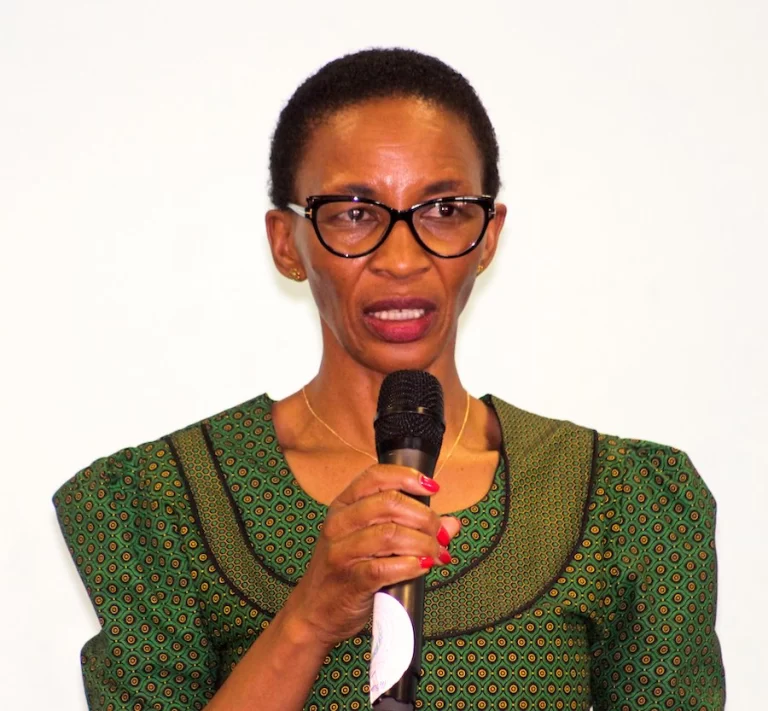
In response, United Africans Transformation (UAT), whose leader Dr. Mahali Phamotse has been involved in facilitating scholarships to Russia, addressed the public’s growing concerns.

Dr. Phamotse clarified that UAT’s scholarship initiatives in Russia are unrelated to the Alabuga Start program. Amid rising unease linked to reports of exploitative practices, she emphasized that UAT has implemented strict safety protocols, formal partnerships with accredited institutions, and student welfare policies.

“In response to the concerns, I personally traveled to Moscow to assess the institutions we partner with,” Dr. Phamotse said during a recent interview. “I visited university campuses, met with administrators, sat in on classes, and evaluated student accommodation facilities.”

She added that the institution UAT works with is fully accredited by the Russian Ministry of Education and holds all required operational certifications. “It is a reputable institution with a strong academic track record,” she stated.

Regarding the Alabuga Start program specifically, Dr. Phamotse said she was unfamiliar with it and that initial assessments suggest it is not recognized within formal education frameworks. “We will, however, pursue further clarification through the appropriate Russian authorities,” she added.

UAT has invited members of the public to share any verified information related to the Alabuga Start program, stressing that collaboration is key to ensuring the safety and dignity of students.

The organization also confirmed that none of the Basotho students under its sponsorship are enrolled in or affiliated with Alabuga SEZ, Alabuga Start, or Alabuga Polytechnic. Dr. Phamotse emphasized that UAT only works directly with accredited universities and avoids intermediary entities.

“If any of our students, acting independently, have unknowingly engaged with such programs, we urge them or concerned parties to come forward so the matter can be addressed,” she said.

To support student well-being in Russia, UAT has established a comprehensive welfare monitoring program. This initiative includes a tracking system for student experiences and a platform for addressing concerns. A new website, currently in development, will provide public access to this information in real time.

“Student welfare is not an afterthought—it is central to our scholarship program,” Dr. Phamotse said.

Addressing questions about the legitimacy of the Russian institutions involved, the UAT clarified that extensive due diligence measures had been undertaken prior to formalizing partnerships. “I personally traveled to Moscow, where I inspected university facilities, engaged management teams, observed classroom activities, and assessed student accommodation conditions,” Dr. Phamotse explained. 

She stated that the institution in question is fully accredited by Russia’s Department of Education and holds all mandatory operational certifications, the official added, describing it as a reputable establishment with a solid academic reputation.

Commenting specifically on reports concerning Alabuga Start, Dr. Phamotse expressed unfamiliarity with the program, noting that preliminary assessments suggest it is not affiliated with recognized educational frameworks. 

“We will, however, take this matter further with the relevant Russian government bodies to obtain clarity,” Dr. Phamotse assured. UAT also invited members of the public to share any concrete information regarding the entity, emphasizing openness to collaboration in safeguarding student welfare. Plans are underway to launch a dedicated website for the program, providing real-time updates to ensure transparency.

UAT further confirmed that none of its sponsored Basotho students are enrolled in or associated with entities such as Alabuga SEZ, Alabuga Start, or Alabuga Polytechnic. Dr. Phamotse stressed that UAT operates exclusively through direct partnerships with accredited universities and does not engage with intermediary organizations.

“If any of our students, acting privately, have encountered such programs without our knowledge, we encourage them or concerned parties to report the matter so that it can be addressed,” Dr. Phamotse stated.

To safeguard the well-being of Basotho students in Russia, UAT has established a structured welfare monitoring program. This system, designed to track student experiences and promptly address any concerns, will also be publicly accessible via the upcoming website. 

“Student welfare is not an afterthought but a core component of our program’s framework,” Dr. Phamotse noted.

Acknowledging that students’ parents are responsible for accommodation and food expenses, UAT highlighted that financial responsibilities are clearly defined through formal agreements with both the partnering university and guardians.

According to the official, this approach minimizes financial stress and reduces the risk of students seeking exploitative work to cover living costs. Institutional support structures are in place to provide additional assistance when necessary.

Finally, UAT emphasized that contingency plans have been developed to address any potential threats to student safety. In cases where students face unsafe or exploitative conditions, protocols for intervention, support, and, if required, repatriation are established. “Student safety is our utmost priority, and we are fully prepared to act decisively if any issues arise,” Dr. Phamotse affirmed.

With its focus on transparency, direct institutional engagement, and student welfare, UAT maintains that its scholarship program in Russia remains a secure and beneficial opportunity for young Basotho scholars.

—————

editor’s note

This article has been edited to clarify that Dr. Mahali Phamotse did not travel to Alabuga SEZ rather she travelled to Moscow on a different programme which is not affiliated to Alabuga [Dr. Phamotse did not share the name of the institution linked to her scholarship programme]


Inviting the Village to a Dinner Meant for Five

0

Ever since Starlink officially landed in Lesotho, there’s been this sudden shift in how the big telecom players, Econet and Vodacom, price their data. Almost “overnight”, we started seeing reduced rates. Cheaper bundles, slightly tweaked promotions, that sort of thing. And don’t get me wrong, on the surface that looks like a win for consumers. Who wouldn’t want more affordable internet?

But then something strange started happening.

Well, maybe not strange, just… expected, if you’ve been paying attention to how networks actually function.

A few weeks into the new pricing wave, I (and honestly, quite a few people I’ve spoken to) started noticing slower speeds. YouTube buffering more than usual, WhatsApp calls cutting off randomly, web pages taking longer to load and Lesotho Tribune’s livestreams a disaster. It wasn’t dramatic at first, just a little frustrating. But then it became hard to ignore.

Now, I’ll admit: I’m not an engineer. I don’t have the technical qualifications to draw definitive conclusions about how mobile networks operate. But you don’t really need a degree to sense that something’s off. The simple version, what I understand, is that if more people are using the same limited bandwidth (resource), something’s going to give. And usually, it’s speed.

That’s the part I keep circling back to. It’s technically impossible, at least without upgrading infrastructure, to cut prices and maintain the same level of performance. You can’t open the floodgates, let more people in, and expect everything to work like it used to unless you’ve made space for the extra load. It’s like inviting the whole village to a dinner meant for five. Everyone’s still welcome, but… well, don’t expect a full plate or any for that matter!

I suppose the competition brought on by Starlink forced the incumbents’ hand. That’s not a bad thing in principle. It’s healthy. Disruption often forces improvement or at least change. But lowering prices shouldn’t be the only response. You also need to invest. Build more towers. Expand backhaul. Acquire more spectrum. Or whatever else engineers say needs to happen behind the scenes…you seem to be focused on what marketing proposes and it’ll backfire!

But I haven’t seen signs that those kinds of upgrades are happening. At least not at the scale that would make a real difference.

It’s possible the providers are playing a wait-and-see game. Maybe they’re hoping Starlink won’t scale quickly or that most users won’t switch permanently. But if that’s the strategy, then it feels short-sighted. Because what we’re seeing now is slower connections across the board, is a consequence of trying to meet new competition with pricing tricks rather than infrastructure improvements.

And honestly, it feels a bit unfair. You’re paying less, sure, but the quality of service is also worse. So in the end, is it really a better deal?

I read on Reddit, that in Botswana, people had similar experiences when Starlink entered the scene. ISPs there also dropped their prices and, for a while, people were excited. Then the networks got bogged down. Speeds dropped. It wasn’t a disaster, but it was enough to remind people that price isn’t everything. Quality matters too.

One post I came across said something like: “Funny how these companies suddenly offer decent speeds the moment a real competitor arrives.” There’s some truth in that. Sometimes, it takes a serious threat for companies to realize what customers have been asking for all along.

But here in Lesotho, it seems we’re stuck halfway. We’ve got the price cuts, but not the upgrades. It’s like starting a race with excitement, only to trip on the first lap.

I’m not blaming the networks entirely. Maybe the margins really are tight. Maybe they’re trying to stretch existing resources as far as they can before deciding whether it’s worth investing more. But from a consumer standpoint, it’s frustrating. You’re led to believe things are getting better, but in practice, they’re just… different. Not necessarily worse, but not exactly better either.

What’s needed now, if we’re serious about digital progress, is some honesty in how we respond to competition. Not just slashing prices, but also upgrading what supports those prices. That’s the only way to give people real value.

Because otherwise, we’re just putting a new label on the same old service and in this case, it might even be a slightly worse version of the old service.

———————

Comments and tipoffs, editor@lesothotribune.co.ls

Disaster Declarations Must Be Anchored in Law, Not Political Convenience

0

By Hlalele ‘Neko

Lesotho’s declaration of youtb unemployment as a national disaster has reignited a critical conversation about the limits of executive authority and the importance of lawful governance during times of crisis. While the Section 2 article in Lesotho Tribune rightly argues that such declarations must be both legally and constitutionally sound, the issue extends beyond technical legality. At stake is the integrity of our democracy and the precedent we set for future crises.

And this is why….

A government’s duty in the face of genuine disaster is to protect its people, safeguarding lives, infrastructure, and public order. But it must do so within the bounds of the law. A disaster declaration is not a political shortcut, nor is it an all-access pass for executive overreach. It is a legal instrument meant to be triggered only in the most exceptional of circumstances; such as widespread natural catastrophes, war, or pandemics that disrupt the normal functioning of state institutions. When declarations are issued without clear and credible evidence, or when their purpose seems politically convenient rather than factually necessary, the very concept of emergency governance is undermined.

This is why it’s crucial to ask: what exactly qualifies as a disaster in legal and constitutional terms? Disasters, by definition, are sudden, severe, and overwhelming. They exceed the normal capacity of government and require immediate, extraordinary responses. Floods, earthquakes, and large-scale civil unrest meet this threshold. Vaguely defined social or economic challenges, especially those that are persistent or politically contentious, do not. Allowing a government to invoke emergency powers without strict and transparent criteria opens a dangerous door. It blurs the line between legitimate crisis management and calculated political control.

The normalization of such declarations, particularly when used as tools to consolidate power or delay democratic processes, poses a long-term threat. Once a government discovers it can act beyond the usual checks and balances by invoking a “disaster,” the temptation to overuse that authority becomes difficult to resist. History offers many examples of leaders who used recurring states of emergency to curtail freedoms, sideline parliaments, and insulate themselves from accountability. Lesotho must not allow itself to follow that path.

Emergency powers, even when genuinely needed, must come with guardrails. Declarations should be based on verifiable evidence, approved through proper parliamentary oversight, and strictly time-bound. Sunset clauses, judicial review, and regular reporting mechanisms are essential to ensuring that such powers are not abused. If the current declaration lacks these safeguards, then it is more than just legally questionable, it is a threat to constitutional order.

The point is simple but profound: even in moments of crisis, the law must remain supreme. Governance must not yield to expediency. The government must demonstrate that the threat it claims to confront is real, that the measures it proposes are proportionate, and that the duration of these powers is clearly limited. Otherwise, what is framed as a response to disaster becomes a tool of political convenience, a pretext rather than a necessity.

True leadership is not about bypassing laws when they become inconvenient. It is about respecting them, especially when the stakes are high. In a democratic society, power must always be exercised with restraint, humility, and in accordance with the rule of law. Lesotho’s leaders must remember that in times of uncertainty, the strength of the Republic lies not in decrees, but in its commitment to lawful, transparent, and accountable governance.

Alliance Challenge Returns with Historic Inclusion of Women’s Teams

0

By Tholoana Lesenya and Lemohang Botsane

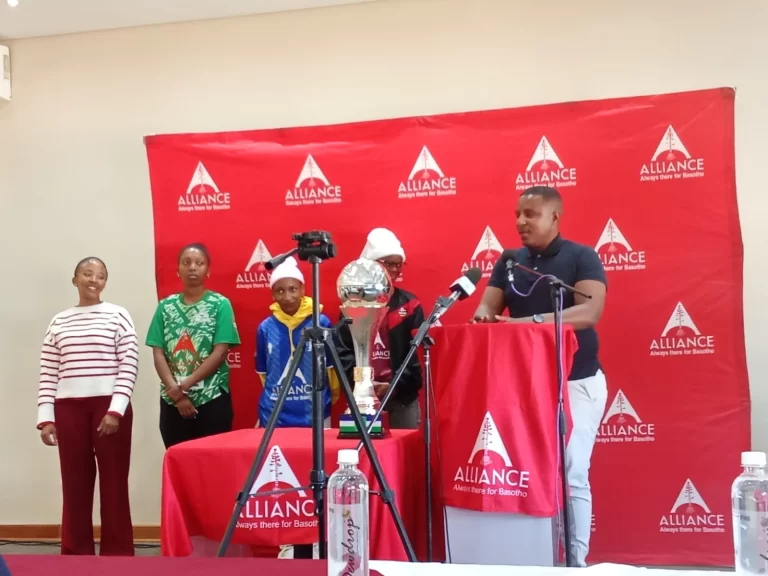
MASERU-The much-anticipated Alliance Challenge is back for its 8th edition, promising not just thrilling football action but a historic first in the tournament’s history. Set to kick off next month, the annual competition, proudly sponsored by Alliance Insurance, will for the first time feature women’s football teams alongside the traditional men’s sides. This progressive move signals a new chapter for women’s football in Lesotho, offering the country’s female athletes a long-overdue platform to showcase their talent.

Since its inception, the Alliance Challenge has been a highlight of Lesotho’s football calendar, attracting thousands of supporters and football enthusiasts. Traditionally contested by four top-tier men’s teams being Lesotho Correctional Service (LCS), Lioli, Matlama, and Linare, the tournament has grown to be more than just a competition, embodying a spirit of unity and community engagement. However, this year’s edition promises to break new ground.

The inclusion of women’s teams not only reflects the growing interest and participation of women in football but also underscores Alliance Insurance’s commitment to promoting equality and inclusivity in sports. The corresponding women’s sides of LCS, Lioli, Matlama, and Linare will now have the opportunity to compete under the same spotlight as their male counterparts, elevating the status of the women’s game within the national sporting landscape.

Matches for the women’s division are scheduled to be held at the iconic LCS Ground on the 16th day of August this year, which has been a staple venue for many memorable fixtures in Lesotho football. Fans can expect spirited contests as these pioneering women’s teams’ battle for the inaugural women’s title of the Alliance Challenge.

On the other hand the men’s division takes center stage on August 17th this year at the renowned Bambatha Tšita Sports Arena. The event, which has been suitably named the “Alliance Weekend,” promises to deliver high-energy action and fierce competition as four of Lesotho’s top clubs vie for supremacy in what has become a staple fixture on the local football calendar.

Serving as off-season vital fundraising platform, the annual tournament continues to grow in figure and popularity. This year’s edition marks a significant milestone, not only because of the introduction of women’s teams to the tournament but also due to the increased financial stakes in the men’s competition.

The prize money has been raised to a lucrative M100, 000.00, up from last year’s M75, 000.00, offering an even greater incentive for participating teams to claim victory. Maintaining its high-stakes tradition, the competition will once again adopt a “winner-takes-all” format, ensuring that every match carries immense pressure and excitement.

Alliance Public Relations and Communications Manager, Limakatso Mokobocho said the decision to integrate women’s teams into the tournament was driven by the increasing standard and popularity of women’s football both globally and locally. With growing support structures and investment in female athletes, it was only fitting that the Alliance Challenge embrace this evolution.

Football fans across the nation are eagerly awaiting what promises to be a landmark event, celebrating not just competition, but progress and inclusivity. As excitement builds, the 8th edition of the Alliance Challenge is set to be remembered not only for the skills displayed on the pitch but for breaking barriers and setting a precedent for future tournaments.

Tshiamiso Trust Launches Major Outreach Campaignfor Lesotho’s Former Mineworkers

0

MASERU-In a renewed push to bring long-overdue justice and compensation to former gold mineworkers, the Tshiamiso Trust has officially launched a nationwide outreach campaign in Lesotho. The initiative, running from July through August 2025, is expected to directly benefit thousands of Basotho who contracted silicosis or work-related tuberculosis (TB) while working in South Africa’s gold mines between 1965 and 2019.

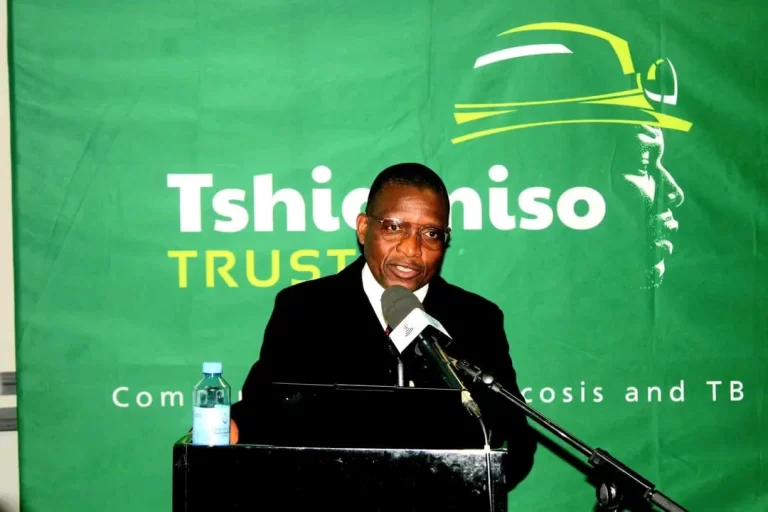
The campaign was formally unveiled in Maseru by the CEO of Tshiamiso Trust, Dr. Munyadziwa Kwinda, who emphasized the critical importance of reaching claimants in their own communities. “This campaign is not just about paperwork, it is about restoring dignity and delivering justice to people who risked their health and lives for a livelihood,” he said.

The outreach will bring on-site claim lodgment services and Benefit Medical Examinations (BMEs) directly to former mineworkers across Lesotho. These BMEs are a vital step in the claims process, ensuring that those affected receive the compensation they are entitled to base on medical assessments. According to Dr. Kwinda, 2,647 Basotho claimants are still awaiting BMEs, highlighting the urgency and necessity of the campaign.

Beyond BMEs, the outreach teams will also assist new claimants in filing applications and help existing applicants update missing or incomplete documentation that might be delaying their payments.

The Tshiamiso Trust was established following a historic class action lawsuit against six major South African gold mining companies. The settlement paved the way for a dedicated fund to compensate former mineworkers and their dependents who suffered from occupational diseases linked to silica dust exposure underground.

The companies involved in the settlement include African Rainbow Minerals, Anglo American South Africa, AngloGold Ashanti, Gold Fields, Harmony Gold and Sibanye-Stillwater. These corporations have committed to addressing the legacy of ill health left by decades of mining practices that often prioritized profits over safety.

Lesotho, whose citizens have long formed a significant part of the South African mining labor force, has emerged as the leading beneficiary of the compensation effort. Since February 2021, when claims processing began in the country, more than M836 million has been paid out to Basotho mineworkers and their families, representing an impressive 40% of the total M2.2 billion disbursed across seven Southern African Development Community (SADC) countries.

“This figure reflects both the deep impact of the mining industry on Basotho families and the importance of ensuring that every qualifying individual receives their due,” Dr. Kwinda noted.

The Trust’s outreach teams will travel across the country over the coming weeks, visiting key locations to provide support on the ground. The full schedule is as follows, Butha-Buthe – July 21–22, Leribe – July 23–24, Teya-Teyaneng – July 25–26, Maseru – July 28–31, Mafeteng – August 1–2 & 4–7, Mohale’s Hoek – August 8–9, Quthing – August 11–12.

The Trust is urging all eligible former mineworkers, or their dependents, who have not yet lodged a claim or completed their BME to attend the outreach in their district. With the window for claims processing not open indefinitely, time is of the essence.

“This is your opportunity,” Dr. Kwinda stressed. “We are coming to you to make sure no one is left behind.”

Vodacom Lesotho Leads Conversation on Shaping Africa’s FinTech Future

0

By Tholoana Lesenya and Lemohang Botsane

MASERU-In a strategic move to catalyze financial innovation, Vodacom Lesotho this week hosted a high-level panel discussion focused on redefining the future of financial technology (FinTech) across Africa. The thought-provoking event, held in Maseru, brought together key industry leaders and policymakers to deliberate on the pressing need for collaboration and innovation to drive inclusive financial growth.

Under the theme of fostering partnerships for sustainable digital transformation, the event saw insightful contributions from Lesotho’s Minister of Finance and Development Planning, Honorable Dr. Retšelisitsoe Matlanyane, M-Pesa Africa CEO Sitoyo Lopokoiyit, and Vodacom Lesotho CEO Mohale Ralebitso. Together, they offered expert perspectives on both the vast opportunities and the considerable challenges that shape Africa’s evolving FinTech landscape.

In her keynote address, Dr. Matlanyane articulated a clear and ambitious vision for Lesotho’s financial future, one in which digital payments become as commonplace as cash. Stressing the importance of full digital integration, she highlighted the role FinTech can play in boosting financial inclusion, particularly among underserved populations in rural areas and vulnerable groups like the elderly.

“Our goal as government is not to hinder innovation, but to support it,” Dr. Matlanyane declared. “We must ensure the right policies are in place, build strong digital infrastructure, and support seamless platform integration to create an environment where FinTech can thrive. Accessibility is key, not just for businesses in urban centers, but for people in every corner of our country.”

The Minister also challenged businesses to adopt digital solutions that go beyond mere convenience, emphasizing their potential to drive meaningful economic change. Her remarks underscored the government’s commitment to working hand-in-hand with private sector players like Vodacom Lesotho to create a robust digital economy.

M-Pesa Africa CEO Sitoyo Lopokoiyit echoed these sentiments, emphasizing the transformative power of mobile money and digital platforms in expanding access to financial services. He pointed out that millions across the continent still lack basic banking services, yet possess mobile phones that can serve as gateways to financial inclusion. Lopokoiyit stressed that innovation must be matched by strategic partnerships between regulators, service providers, and governments to overcome regulatory and infrastructural barriers.

Vodacom Lesotho CEO Mohale Ralebitso highlighted Vodacom’s ongoing efforts to drive digital adoption in Lesotho through its M-Pesa platform. “FinTech is not just about technology; it’s about people. Our mission is to connect everyone, everywhere, to the benefits of digital finance, whether in the city or deep in the mountains,” he said.

The event concluded with a call to action for more collaboration between all stakeholders, innovators, regulators, financial institutions, and businesses. The consensus was clear: Africa’s FinTech revolution can only succeed if built on collective effort and shared responsibility.

As Lesotho positions itself at the forefront of digital financial innovation, today’s panel discussion marks a significant step towards realizing a future where financial services are accessible to all, powered by technology and united by purpose.

Independent business & current affairs journalism · Lesotho Subscribe — M85/month
| Independent business & current affairs journalism · Lesotho