


Maseru
The European Union (EU) recently held a press briefing to update the public on its ongoing support for Civil Society Organisation (CSO) projects in Lesotho.
This meeting was a vital part of the global 16 Days of Activism Against Gender-Based Violence (GBV) campaign and the Union’s framework in the fight, highlighting the urgent need to address this widespread issue.
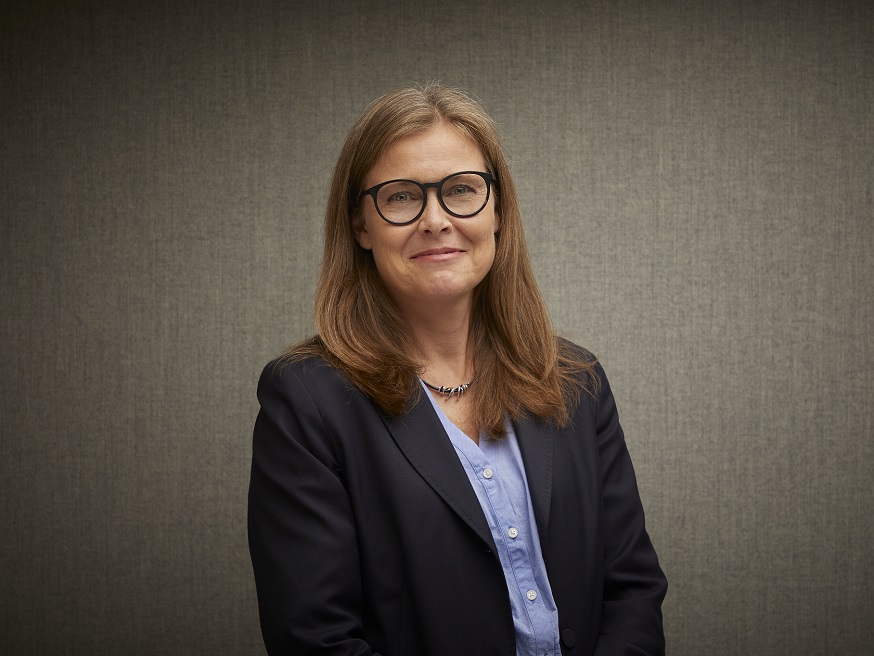
During her opening remarks, the EU Ambassador to Lesotho, HE Mette Sunnergren, expressed deep concern over the continuing high rates of GBV and domestic violence in the country.
She shared alarming statistics from the OECD Lesotho Country Profiles; a staggering 40 percent of women aged 15-49 have experienced physical and/or sexual violence from a current or former partner at least once in their lives.
Furthermore, 14 percent of women over the age of 15 have endured such violence.
Sunnergren expressed how shocking it is to see sexual offences and crimes linked to GBV remain so persistent, affirming the EU’s commitment to continuously tackle this serious problem.
The EU is not working alone in this fight; it is deeply committed to ending GBV through prevention efforts and ensuring survivors receive support and justice.
Sunnergren emphasised that the EU shares a common goal with the government of Lesotho, local civil society and international partners, united in their efforts to stop this pandemic that affects the nation, working together through joint campaigns to promote gender equality.
The EU is dedicated to supporting Lesotho’s institutions and communities, particularly by strengthening justice systems through initiatives like the Support for the Reform and Strengthening of Governance in Lesotho which aims to help ensure proper responses to GBV cases.
In this fight, CSOs are recognised as essential partners in driving change and delivering crucial services as they play a key role in advocacy and community development, bringing their insights directly to the fight against GBV and helping to break down the stigma surrounding it.
The EU values CSOs immensely, including them in every decision-making process. Their involvement has been integral to the success of initiatives like the Youth Power Hub, a joint initiative aimed at strengthening the abilities of over 30 youth-focused CSOs to influence change and tackle critical issues within their host communities.
To achieve its goals of inclusion, advocacy and raising awareness about GBV, the EU ambassador stressed the importance of dialogue, consultations and actively listening to local CSOs.
The EU has held and will continue to hold these crucial discussions across different districts. Through these dialogues, it has learned about the challenges CSOs face, including limited access to reliable and continuous funding and the need for better training in specific areas.
CSOs have also offered valuable suggestions during these dialogues that they say are crucial for shaping the EU’s strategies and improving its initiatives, including improving coordination within and between sectors and strengthening organisations’ technical skills.
Sunnergren said these efforts are part of the EU’s strategic roadmap which includes mapping civil society organisations and conducting surveys in Lesotho.
The EU Civil Society Roadmaps act as unified frameworks, guiding EU Delegations and Member States in empowering civil society at the national level. They focus on strengthening policy discussions, better integrating funding sources and providing support to help organisations thrive in a supportive environment.
By following these roadmaps, the EU ensures that civil society’s vital contributions to governance and development are acknowledged and enhanced.
This approach also helps coordinate efforts among EU Delegations, Member States and other donors, leading to a more consistent and effective way of working with civil society.
However, challenges remain. The 2021-2023 roadmap highlighted the complex political environment and CSOs’ difficulty in accessing reliable funds as major hurdles.
Nevertheless, the insights and practical experiences of these organisations on the ground are invaluable. They provide a critical perspective that helps the EU address challenges more effectively and adapt its approaches to better meet the specific needs of communities in Lesotho.