


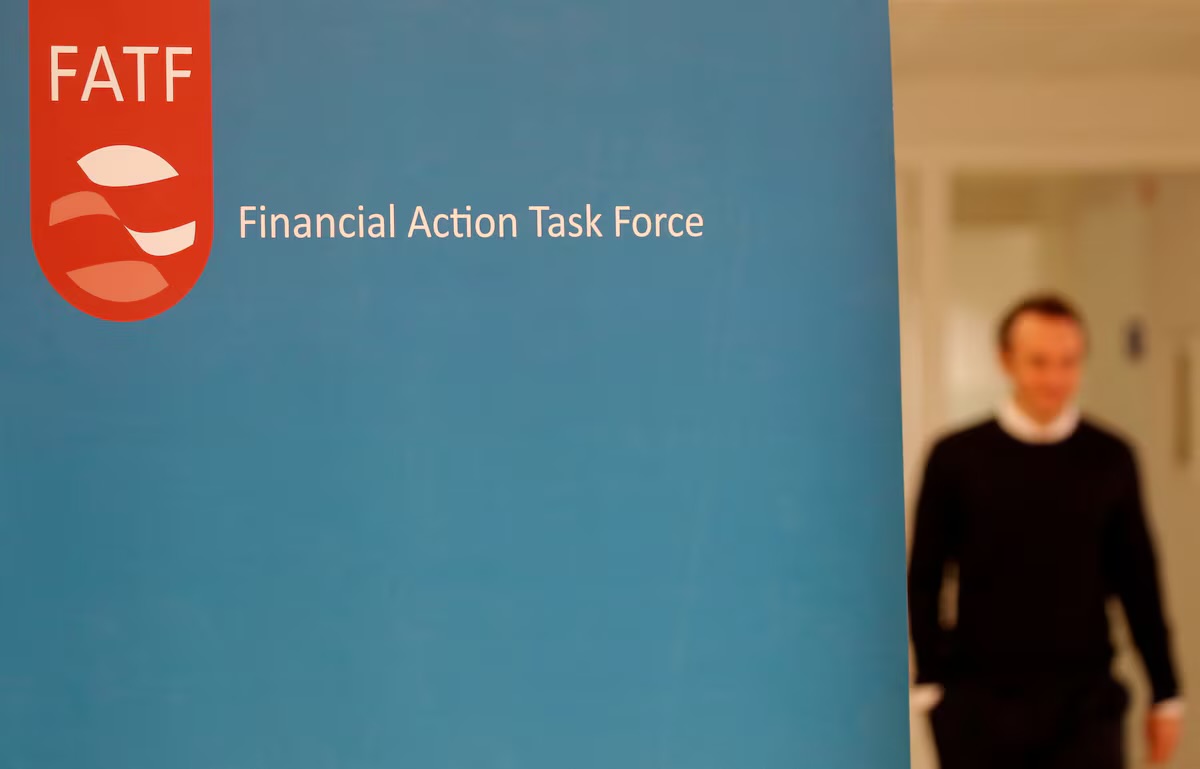
The Financial Action Task Force (FATF) has removed four African countries from its grey list of jurisdictions under increased monitoring for money laundering and terrorist financing risks. The countries are South Africa, Nigeria, Mozambique, and Burkina Faso.
The announcement
During its plenary meeting in October 2025, FATF confirmed that these nations had made significant progress in strengthening their financial systems and meeting international standards. South Africa and Nigeria, two of the continent’s largest economies, were singled out for notable improvements in their legal frameworks and enforcement mechanisms.
FATF said South Africa had enhanced its investigation and prosecution of serious financial crimes, improved access to beneficial ownership information, and strengthened supervision of non-financial businesses. Nigeria demonstrated progress in financial intelligence coordination and inter-agency cooperation. Mozambique and Burkina Faso completed their agreed action plans, leading to their removal as well.
Why this matters
Being placed on the FATF grey list carries serious implications for a country’s economy. It often leads to increased scrutiny from international financial institutions, reduced investor confidence, and higher compliance costs for businesses. Analysts estimate that grey listing can lower foreign investment inflows by nearly 7.6 percent of GDP.
For South Africa, the decision marks a critical turning point. It restores investor confidence, strengthens the credibility of its financial sector, and signals a renewed commitment to tackling financial crime. Nigeria also stands to benefit as its delisting reinforces efforts to attract global investment and restore trust in its banking sector.
Remaining challenges
Despite the progress, FATF cautioned that these countries must sustain their reforms. Effective implementation and political commitment are essential to maintaining compliance. For South Africa, institutional weaknesses that emerged during the state capture era continue to pose risks. For Nigeria, transparency and regulatory enforcement remain key areas requiring vigilance.
Regional implications
The removal of these four countries sends an encouraging signal across Africa. It demonstrates that reform and collaboration with international partners can yield tangible results. It also challenges other countries in the region to intensify efforts to align with global standards on anti-money laundering and counter-terrorist financing.
For smaller economies such as Lesotho, the development is a reminder that robust financial governance is now a prerequisite for integration into global markets. Compliance not only reduces reputational risk but also improves access to capital and trade.
Conclusion
The FATF’s decision to delist South Africa, Nigeria, Mozambique, and Burkina Faso is a milestone for Africa’s financial integrity. It rewards years of reform and hard work by regulators and policymakers. Yet the message remains clear: maintaining credibility in the global financial system requires ongoing vigilance, institutional strength, and sustained commitment to transparency.