



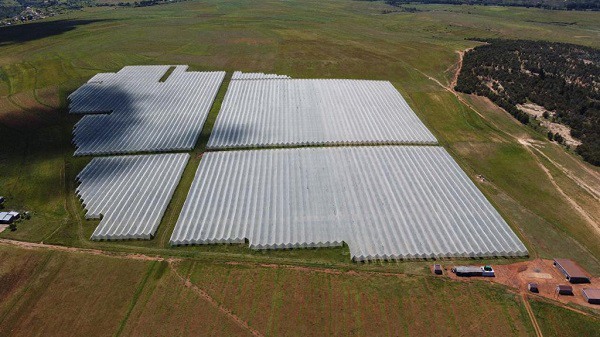
The recent policy shift by Lesotho’s Ministry of Agriculture, Nutrition and Food Security marks a bold and strategic step toward revitalizing the country’s struggling agricultural sector. This week, the Ministry announced a ban on the importation of eggs, potatoes, and cabbage. The move is designed to empower local producers, stimulate rural economies, and push the nation closer to self-sufficiency.
After months of public missteps and policy uncertainty that left many doubting the government’s priorities, the Matekane-led administration deserves credit for a decision that puts Basotho farmers first, without favour or political manoeuvring. This is a welcome change and a meaningful vote of confidence in the country’s agricultural potential.
The timing of the ban could not be better. Local farmers are already producing these commodities at competitive prices and quality, making imports increasingly unnecessary. By restricting the entry of foreign alternatives, the Ministry is not just protecting the local market. It is also sending a strong signal of support to the men and women who invest their time, effort, and capital into sustainable food production.
At its core, this policy supports more than just short-term protection. It lays a foundation for a resilient agricultural economy. It promotes food security by reducing Lesotho’s dependency on external suppliers. It encourages sustainable farming practices and provides an incentive for further investment in local agriculture. Most importantly, it fosters pride in homegrown produce.
We believe this move will catalyze broader economic benefits, stabilizing prices, creating rural employment, and encouraging entrepreneurial activity within farming communities. The long-term gains could be transformative, especially if coupled with ongoing support, access to markets, and capacity-building for smallholder farmers.
Of course, no policy is without risks. There is always the potential for price manipulation or supply shortages if regulation and enforcement are not carefully managed. That is why ongoing monitoring, transparency, and collaboration with farmers’ unions and consumer protection bodies will be key. A fair and predictable marketplace will prevent abuse and ensure the intended benefits reach the grassroots.
This decision also presents an opportunity to reduce Lesotho’s trade deficit by curbing the outflow of currency used to import food. It is a firm step toward economic self-determination. It aligns with the broader national vision of prosperity through self-reliance.
We commend the Ministry for showing leadership and trusting Basotho farmers with the responsibility of feeding the nation. It is now up to the farming community to rise to the occasion, maintaining quality, scaling production, and justifying the confidence placed in them.