


According to the Lesotho National Social Protection Strategy of 2021- 2031, about 49.7 percent of Basotho live below the poverty line, with 80 per cent of this population residing in rural areas. The report also reveals a staggering statistic of 24.1 per cent being abysmal.
This week, UNICEF, the European Union and the Ministry of Gender, Youth and Social Development joined forces to share ideas on how to strengthen coordination across sectors to enhance coherence, effectiveness and sustainability of the social protection initiatives in Lesotho.
In her remarks, Mahlapane Makakole-Bodiba, the Principal Secretary of the Ministry of Gender, expressed the ministry’s ambitions and aspirations that they anticipate the event will meet.
She highlighted the idea of the meeting- to strengthen collaboration and coordination among stakeholders to build a more integrated, inclusive and effective system- as an initiative which should not be taken lightly, emphasising that social protection coordination is critical for effective service delivery, elimination of duplication and strengthening of overall system resilience.
“This is so much imperative due to diminishing funding and increased requirements for social protection,” she said, noting that the conference sets a stage for deliberation while improving efficiency to ensure no group is left behind.
With initiatives like Ntlafatsa Bana, an initiative supported by the government of Lesotho, the EU and UNICEF, Lesotho already receives financial support from one and technical support from the other.
This programme was implemented to improve the well-being and development of children living under the Child Grants Program Beneficiary households, improve their access to essential services including birth registration, nutrition, water and sustainable energy solutions and increase the efficient delivery of social assistance systems by creating new digital applications to update the National Information System for Social Assistance, enhance management information system and digitize payments for beneficiaries.
The UNICEF Representative to Lesotho, Deepak Bhaskaran, reiterated the importance of unity in addressing social issues, highlighting the importance of focusing on four key priorities: evaluation of the effectiveness of current coordination mechanisms, recognition that coordination requires sustainable financing, breaking down silos across service clusters and strengthening coordination capacity at all levels.
“Effective coordination depends not only on structures but also on the people who operate them. We must invest in capacity building for coordination teams, clarify roles and responsibilities and foster a culture of collaboration across sectors and levels of government,” Bhaskaran said.
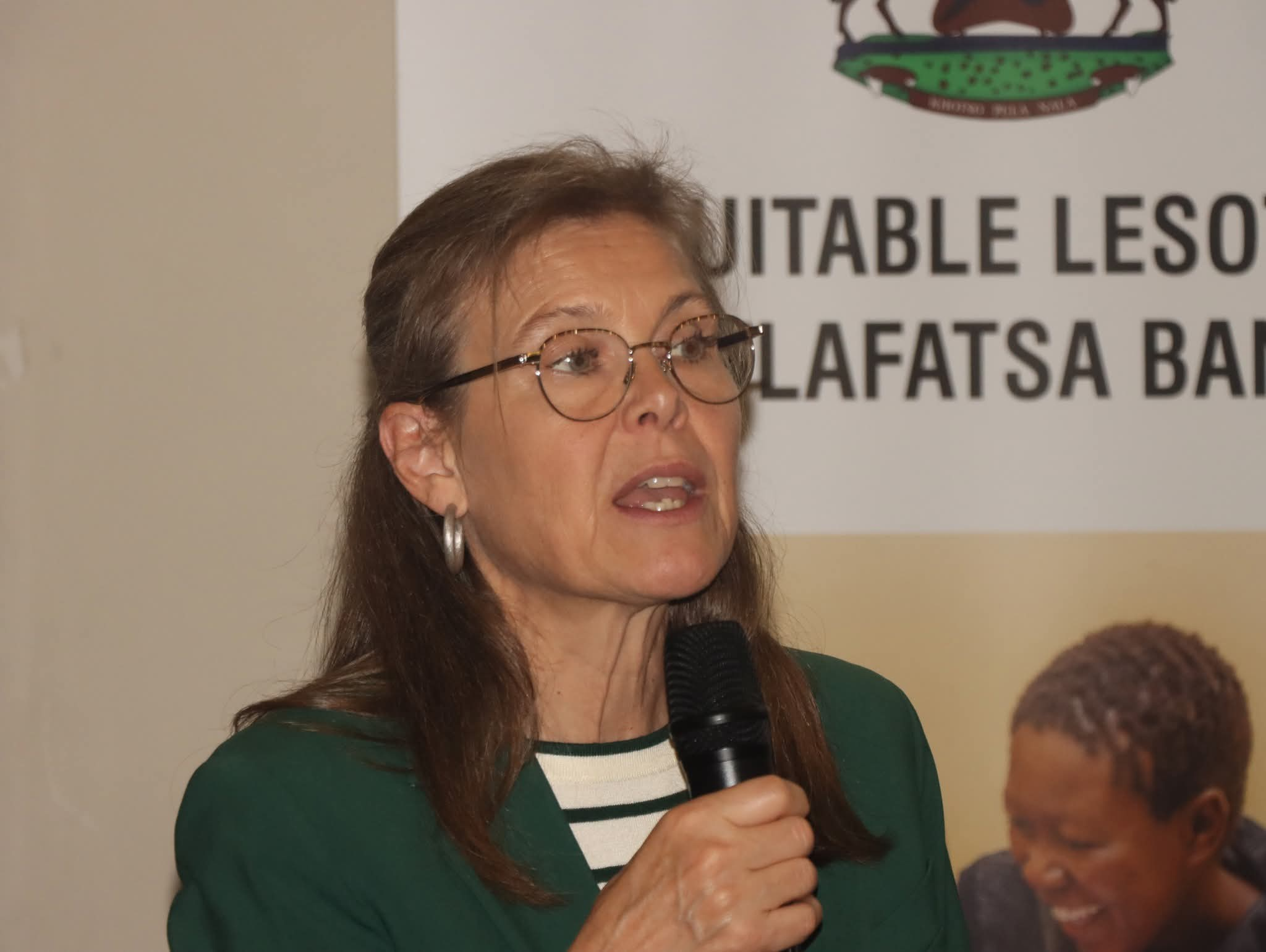
Mette Sunnergren, Head of EU delegation to Lesotho, said they eagerly anticipate the complete digitalisation of social protection subsidies, adding that progress og this will not only enhance sustainability but also reduce costs and improve accessibility for all recipients to ensure that help reaches those who need it most.
The three-threatened partnership between the Government of Lesotho, the EU and UNICEF has spanned for over 15 years and has proven to be a partnership best described by Sunnergren as a “robust and resilient social protection system in the country”.
You have 1 free article left this month. Create a free account for 15 articles/month.
Create free account