



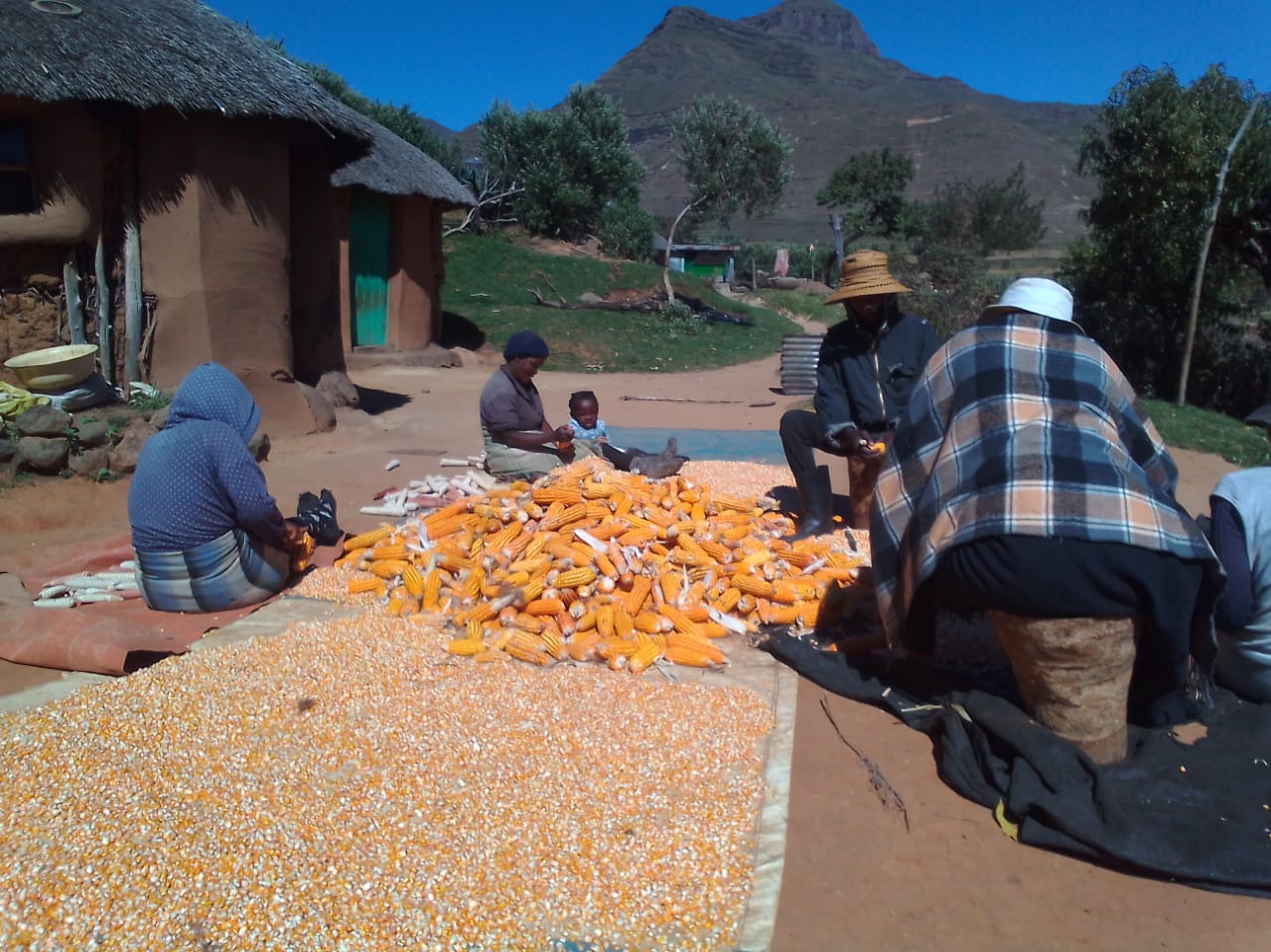
A recent Integrated Food Security Phase Classification (IPC) paints a concerning picture of food security in Lesotho, revealing that a significant portion of the rural population is grappling with high levels of acute food insecurity.
The report, dated October 9, 2025, underscores the urgent need for targeted interventions to mitigate the crisis.
According to it, approximately 258,000 people (17 percent of the rural population, are currently classified as facing IPC Phase 3 or above (crisis or worse) of accute food insecurity.
The districts of Mafeteng, Maseru and Mohale’s Hoek are said to be particularly affected and also classified in the IPC Phase 3 (crisis) as a result of prolonged dry spells and high temperatures that were experienced between November 2024 and January 2025, leading to crop failure that is a major driver of food insecurity.
The reports highlits high food prices as contributing factors too, emphasising their continuity to undermine household purchasing power.
The IPC therefore projects the worst case scenario, with an estimated 334,000 people (22% of the rural population) projected to face IPC Phase 3 or above of food insecurity between October 2025 and March 2026. Nine out of 10 districts are likely to be classified in Phase 3, with only Leribeprojected to remain in Phase 2. Erratic climatic conditions, including heavy rainfalls, high temperatures and prolonged dry spells continue to pose significant threats.
The IPC has identified several key drivers contributing to the escalating food insecurity- climate shocks, economic shocks and reduced crop production that has dropped to 19 percent as compared to the previous year.

To help fight these devastating disaster, it emphasized the importance of a multi-faceted response to address the crisis, recommending immediate humanitarian assistance in the form of provision of aid to food-insecure populations, implementation of initiatives that will encourage farmers to participate in market trade and improve access to agricultural inputs and early warning systems in cases of crisis.
It also encourages implementation of geographical and profile-related targeting criteria for investments in risk financing, adoption of recommended actions to fully operationalize the National Resilience Building Strategic Framework and collaboration among key stakeholders to avoid duplication and promote effective response and complementation.
The report serves as a stark reminder of the challenges facing Lesotho, especially Basotho in the rural communities.
With the situation expected to escalate with time, concerted efforts from the government, international organizations and local stakeholders are essential to address the underlying drivers of food insecurity and build a more resilient future for the people of Lesotho.